Category: News
-

Greenland Sharks May Live 400 Years. Their Eyes Hold the Clue.
Greenland sharks may survive for centuries. Scientists used eye-lens radiocarbon to estimate one shark at 392 years, but the range is surprisingly wide.
-

Octopuses Can Taste What They Touch With Their Suckers
Octopus suckers are more than suction cups. Specialized cells help their arms detect chemical signals from the things they touch.
-

Archerfish Shoot Down Insects With Water. They Can Learn to Hit Moving Targets, Too.
Archerfish fire carefully aimed jets of water at insects above the surface, and experiments show they can learn to hit moving targets.
-

Dolphins Sleep With Half Their Brain Awake. One Eye Can Stay Open, Too.
Dolphins take turns resting one brain hemisphere while remaining able to surface and breathe. Sleeping with one eye open is real, but not quite a foolproof…
-
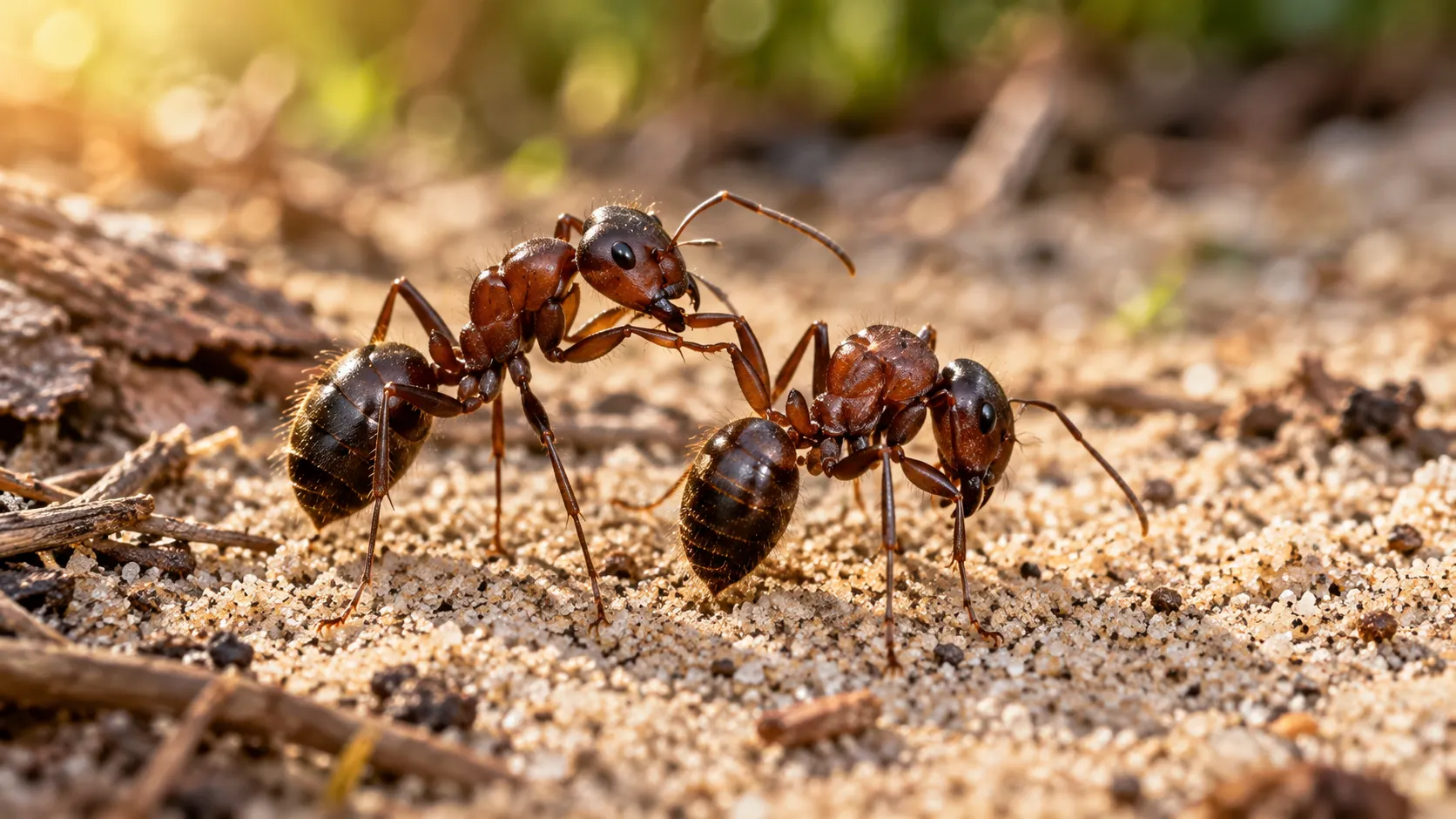
Ants Amputate Injured Nestmates’ Legs. The Weird Part? It Can Save Them.
Florida carpenter ants treat wounded nestmates by cleaning injuries—and sometimes amputating a leg. The choice depends on where the injury is.
-

Reindeer Eyes Reflect Gold in Summer and Deep Blue in Winter
Reindeer have a reflective layer behind the retina that shifts from golden in summer to blue in winter. It is not a seasonal change in iris…
-
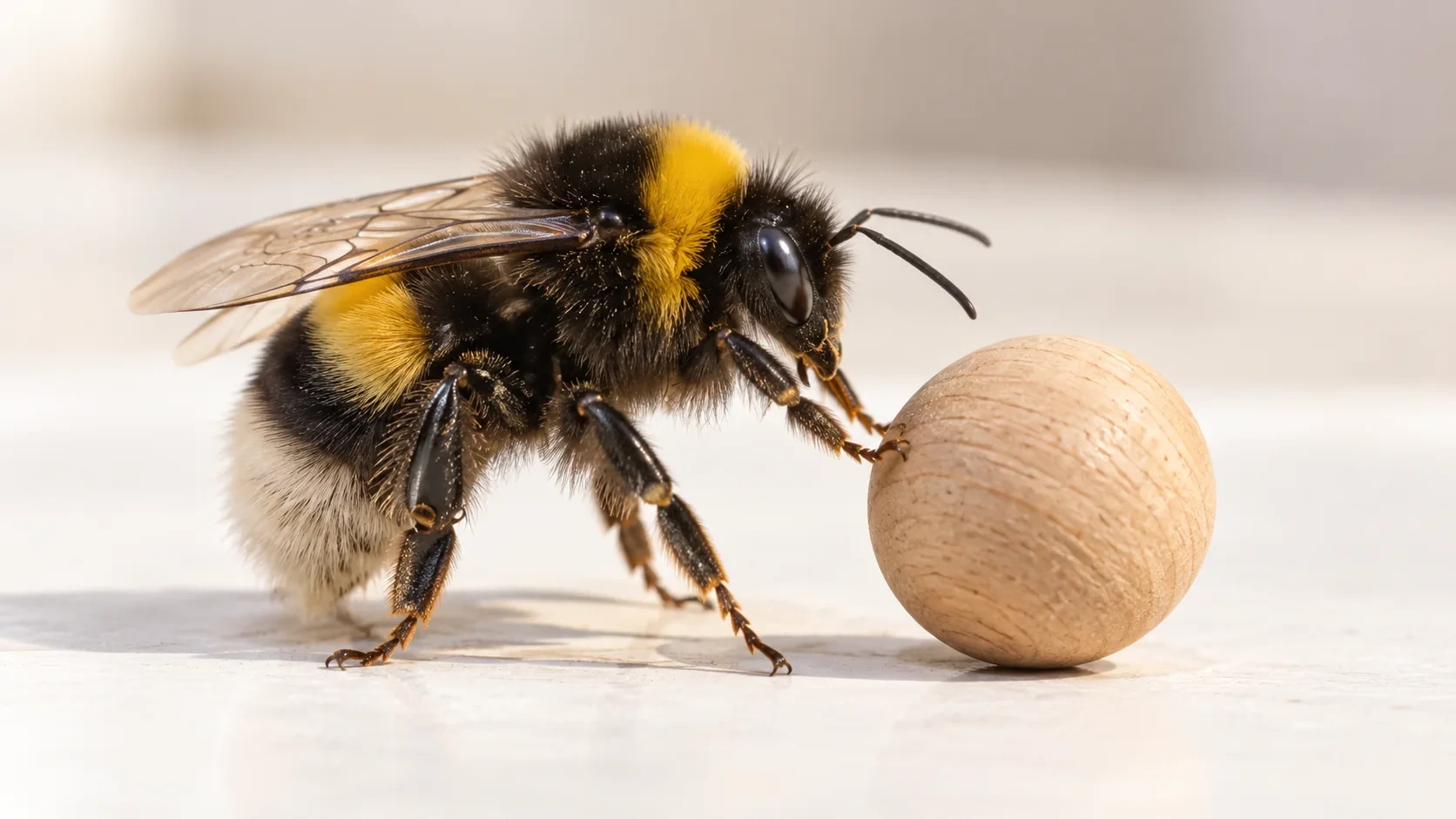
Bumblebees Roll Tiny Wooden Balls for No Reward. Scientists Call It Play.
Scientists watched buff-tailed bumblebees roll wooden balls without food rewards. Their behavior met recognized criteria for animal play.
-

Glass Frogs Hide Nearly 90% of Their Red Blood Cells While Sleeping
Glass frogs become more transparent while sleeping by packing most circulating red blood cells into their livers.
-
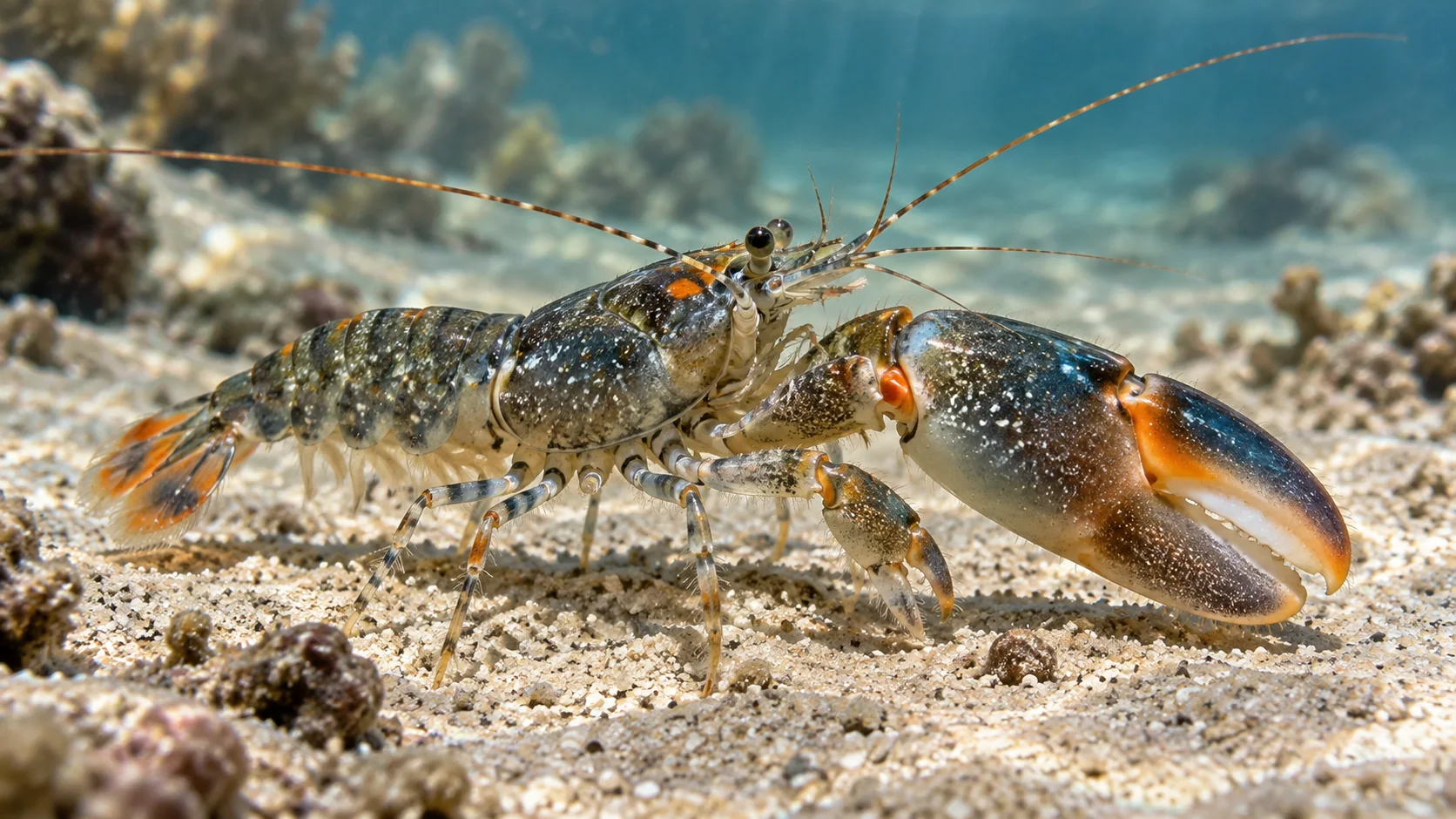
Pistol Shrimp Can Make Bubbles That Flash With Light
A snapping shrimp’s claw creates a cavitation bubble that makes a loud snap—and, in laboratory studies, a brief flash of light.
-
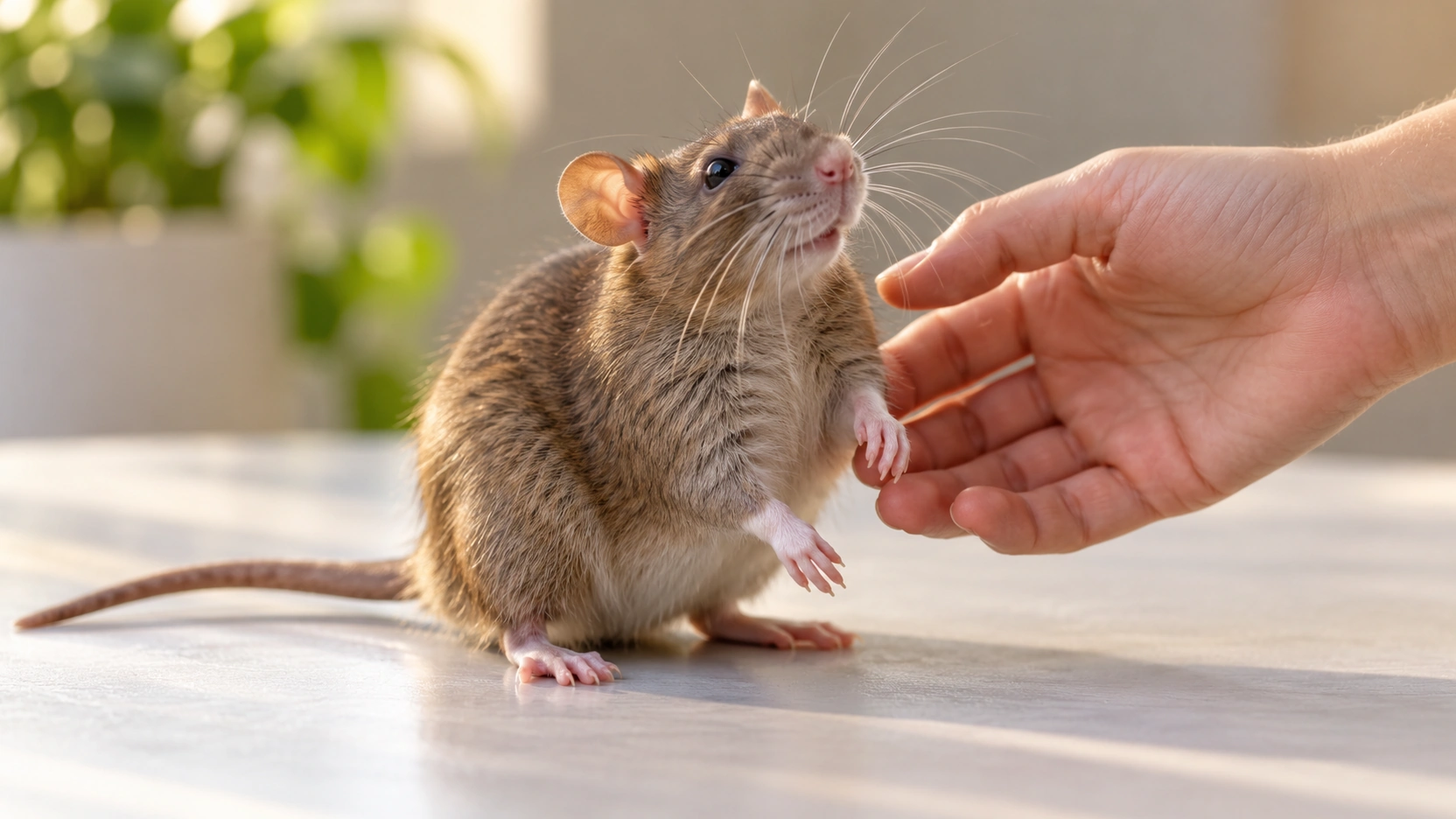
Tickled Rats Make Sounds Humans Can’t Hear—and Scientists Call It Laughter
Researchers tickling rats record 50-kHz calls associated with play and positive emotion, but rat laughter is not identical to human laughter.