Latest stories
-
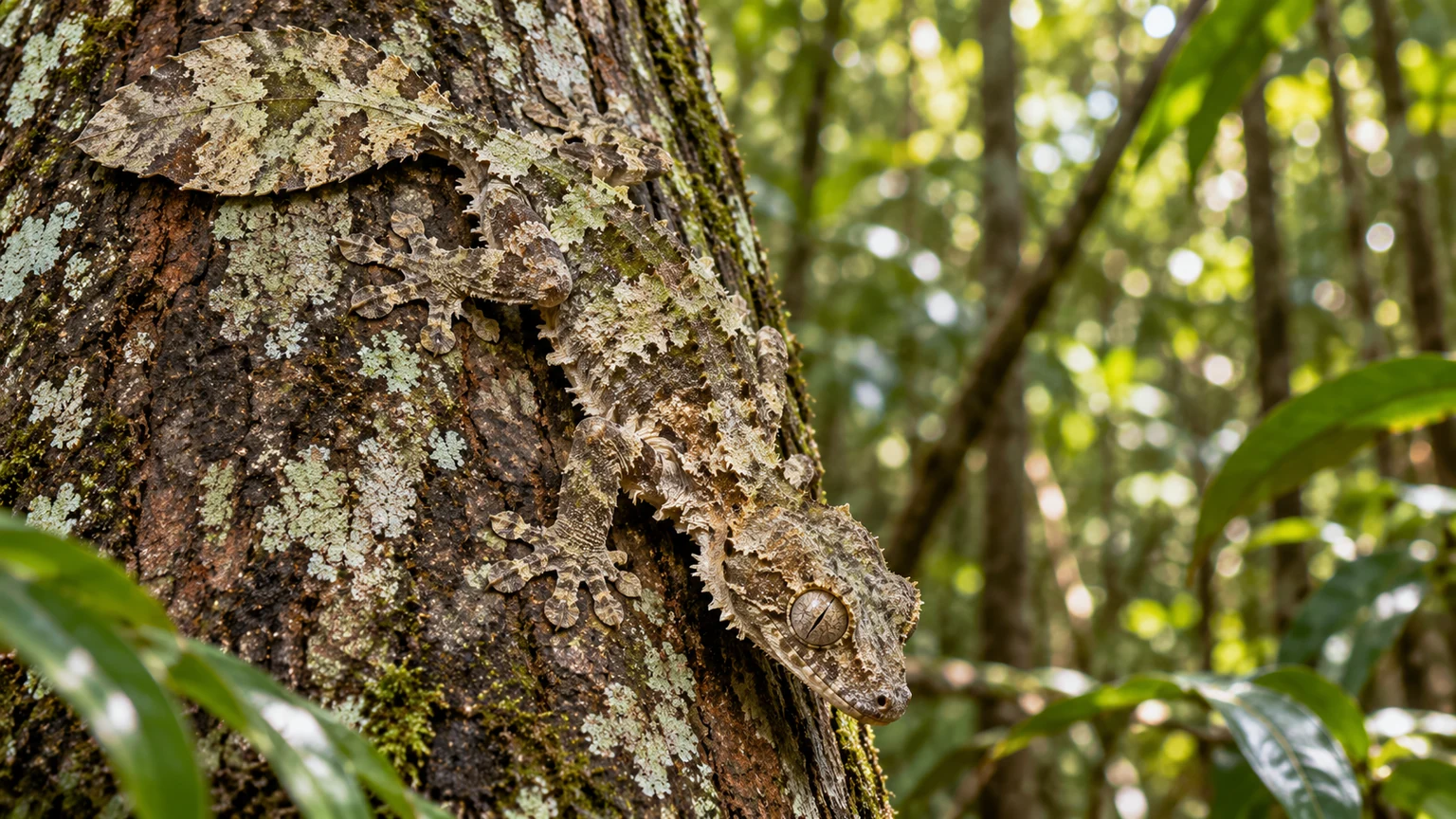
Leaf-Tailed Geckos Can Disappear Against Tree Bark
Some Madagascar leaf-tailed geckos hide against bark by flattening their bodies, blurring their edges and matching lichen. Here’s how it works.
-
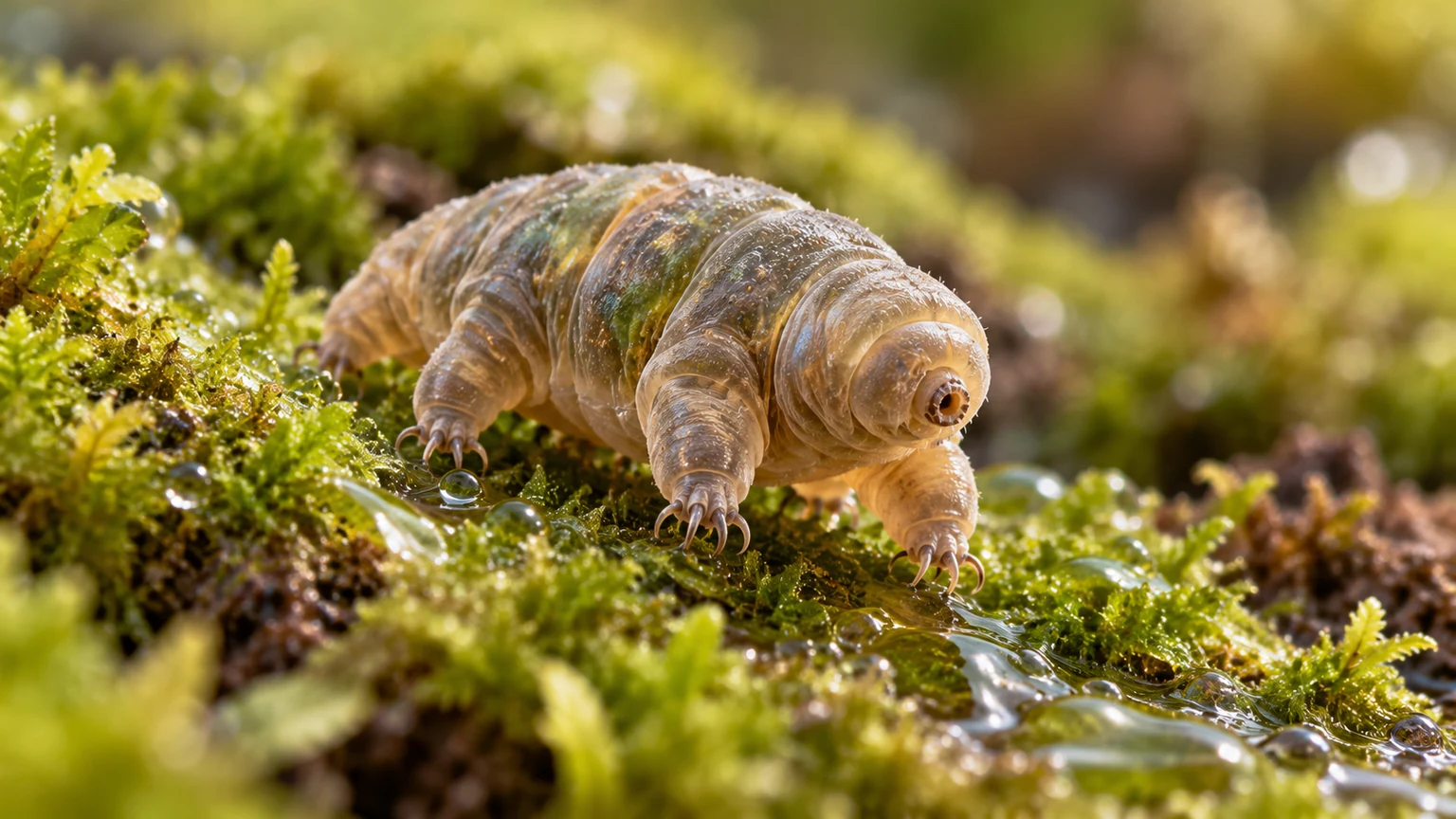
Tardigrades Can Dry Out and Survive. Being a Water Bear Is Complicated.
Tardigrades can enter a dormant state during drying, but they are not indestructible. Their survival depends on species and conditions.
-
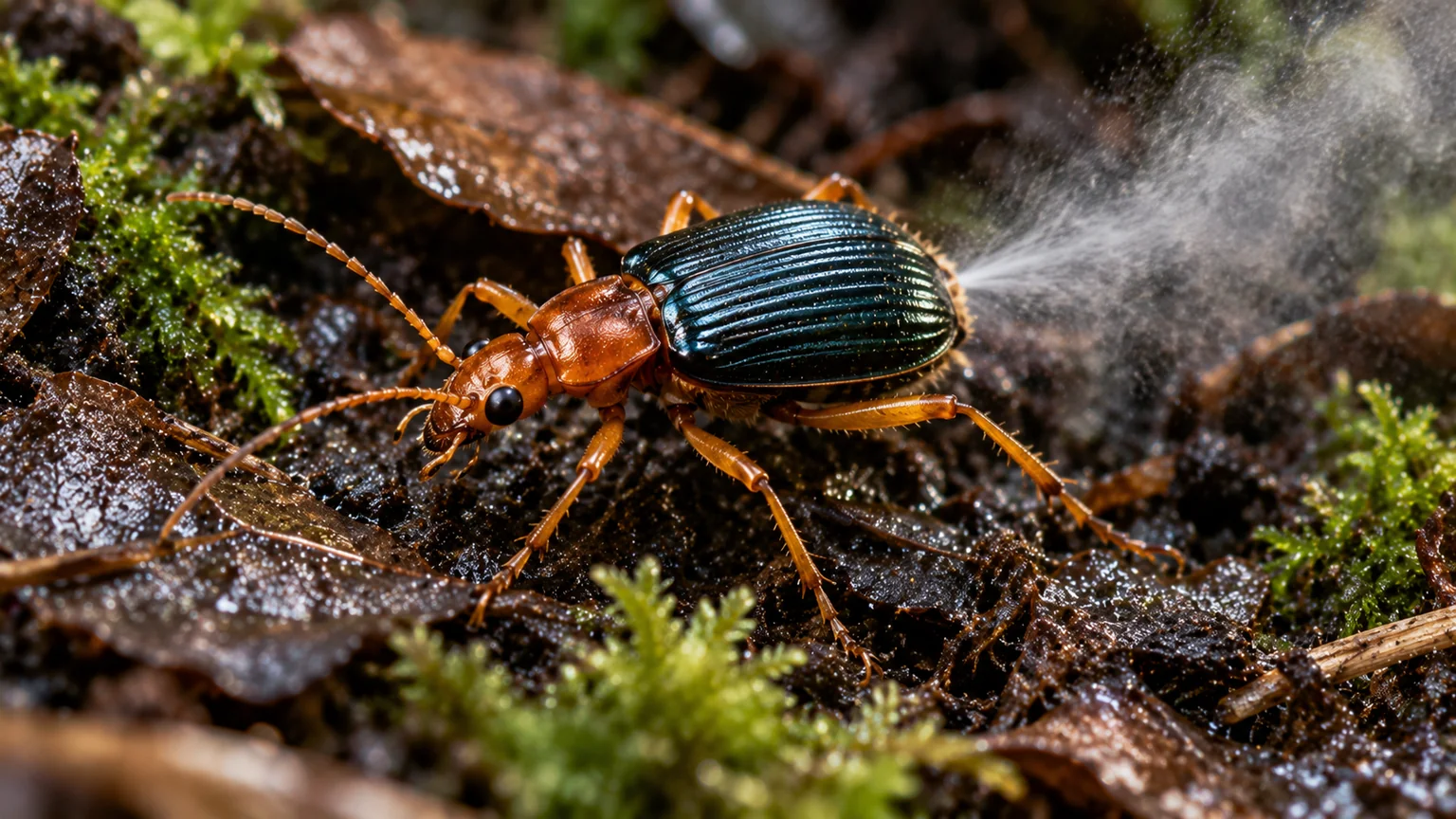
Bombardier Beetles Fire a Hot Chemical Spray in Rapid Pulses
Bombardier beetles repel predators with a hot, pulsed chemical spray. X-ray studies revealed how their internal structures control each burst.
-
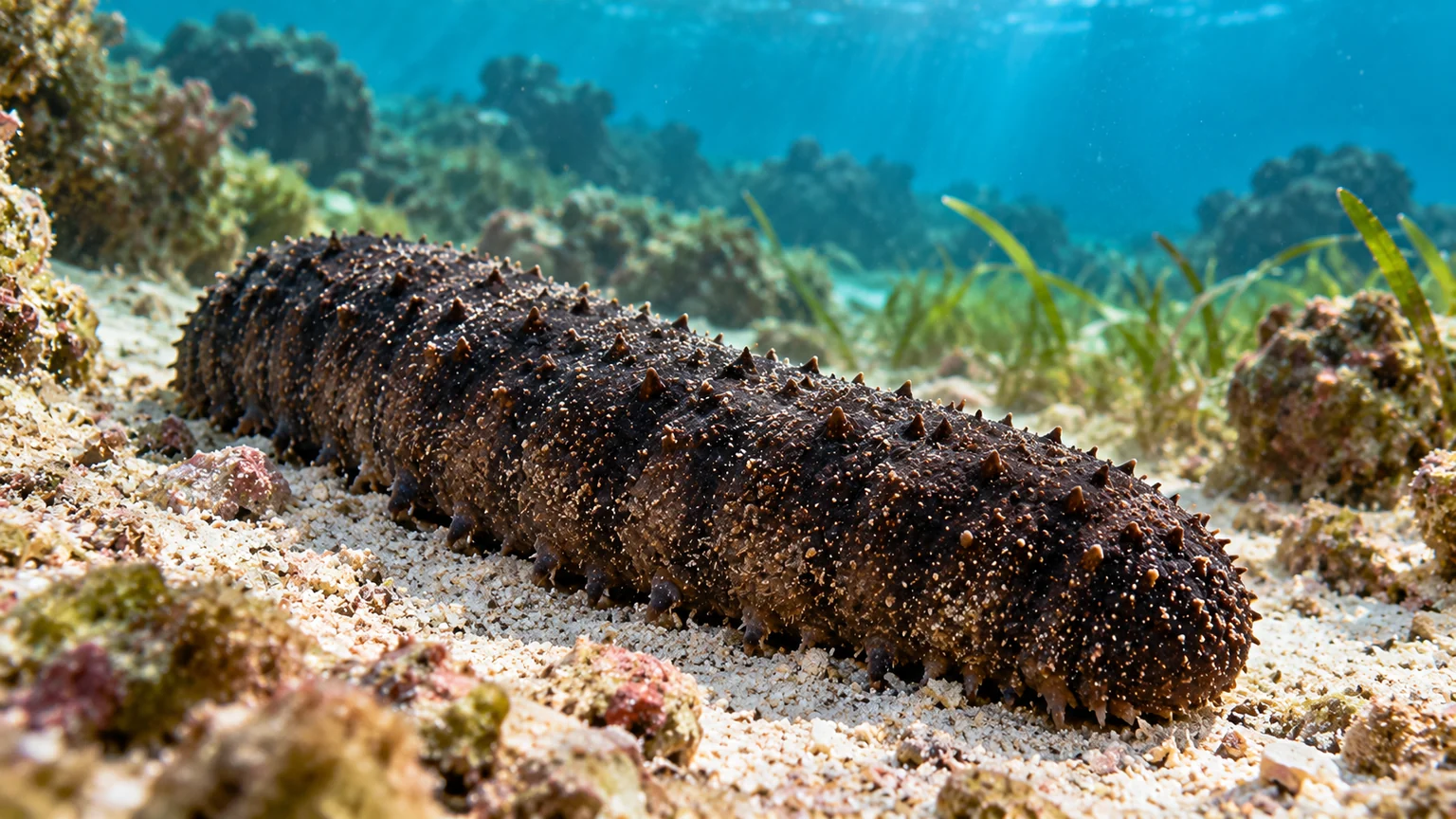
Some Sea Cucumbers Eject Internal Organs to Escape Predators
Some sea cucumbers expel digestive organs or sticky defensive tubes to evade predators, then regenerate lost tissue. Here’s how it works.
-
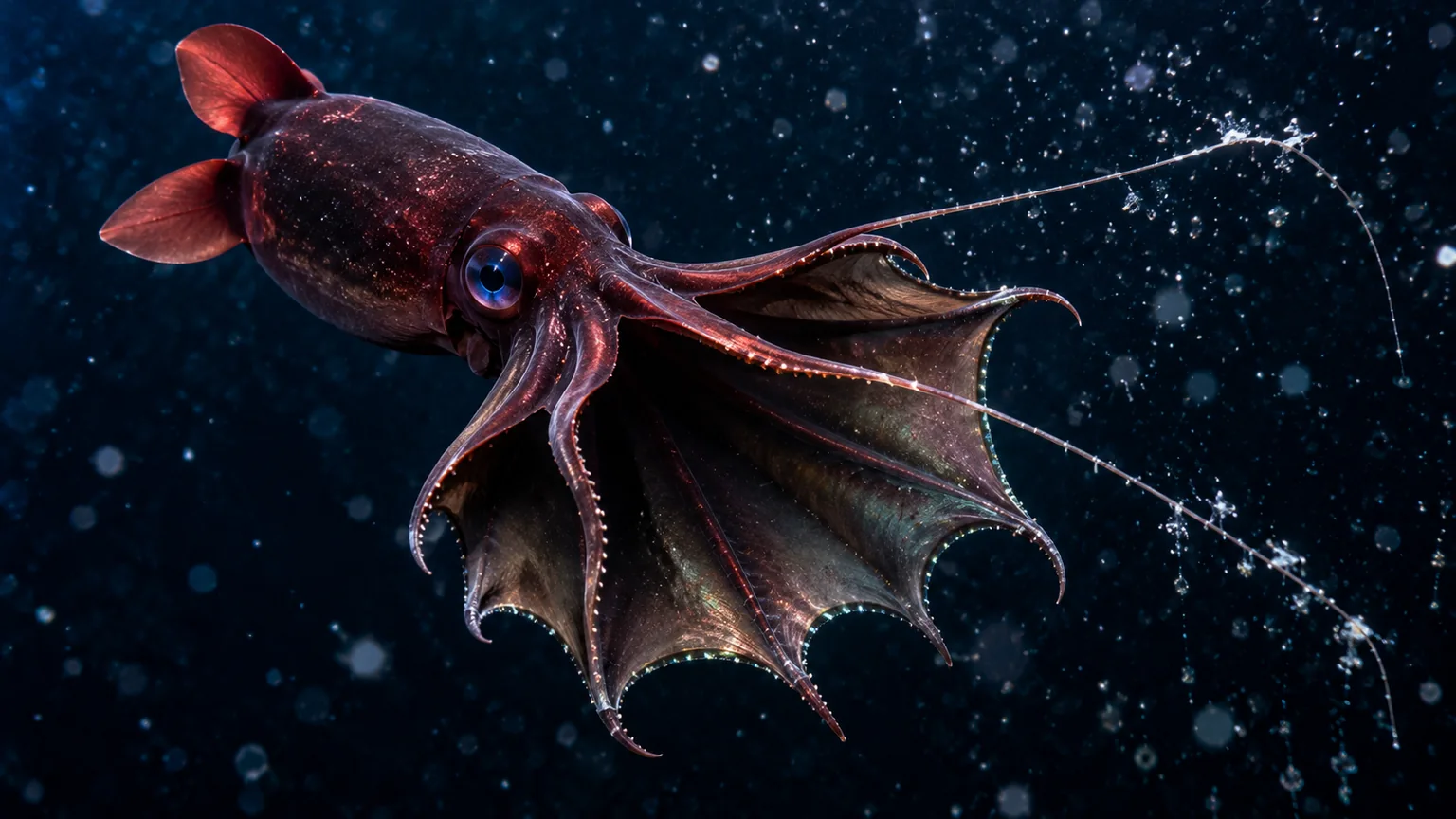
Vampire Squid Are Neither Vampires Nor True Squid
The vampire squid doesn’t drink blood or hunt like a true squid. Instead it collects marine snow with sticky feeding filaments in the oxygen-poor deep.
-
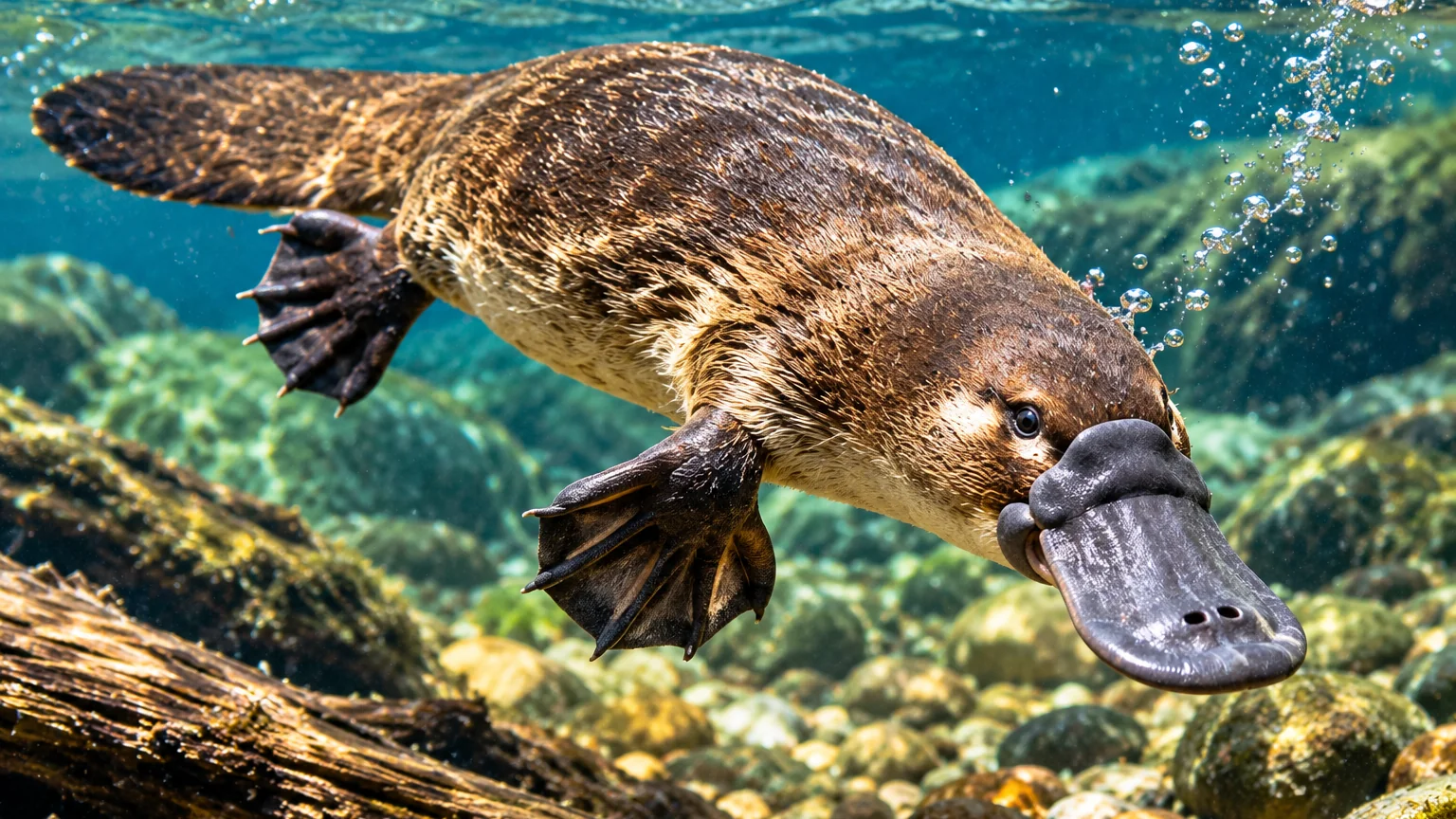
Platypuses Hunt With Their Eyes Closed. The Bill Does the Searching.
Platypuses close their eyes, ears and nostrils while diving, relying on sensory receptors in their bills to locate underwater prey.
-
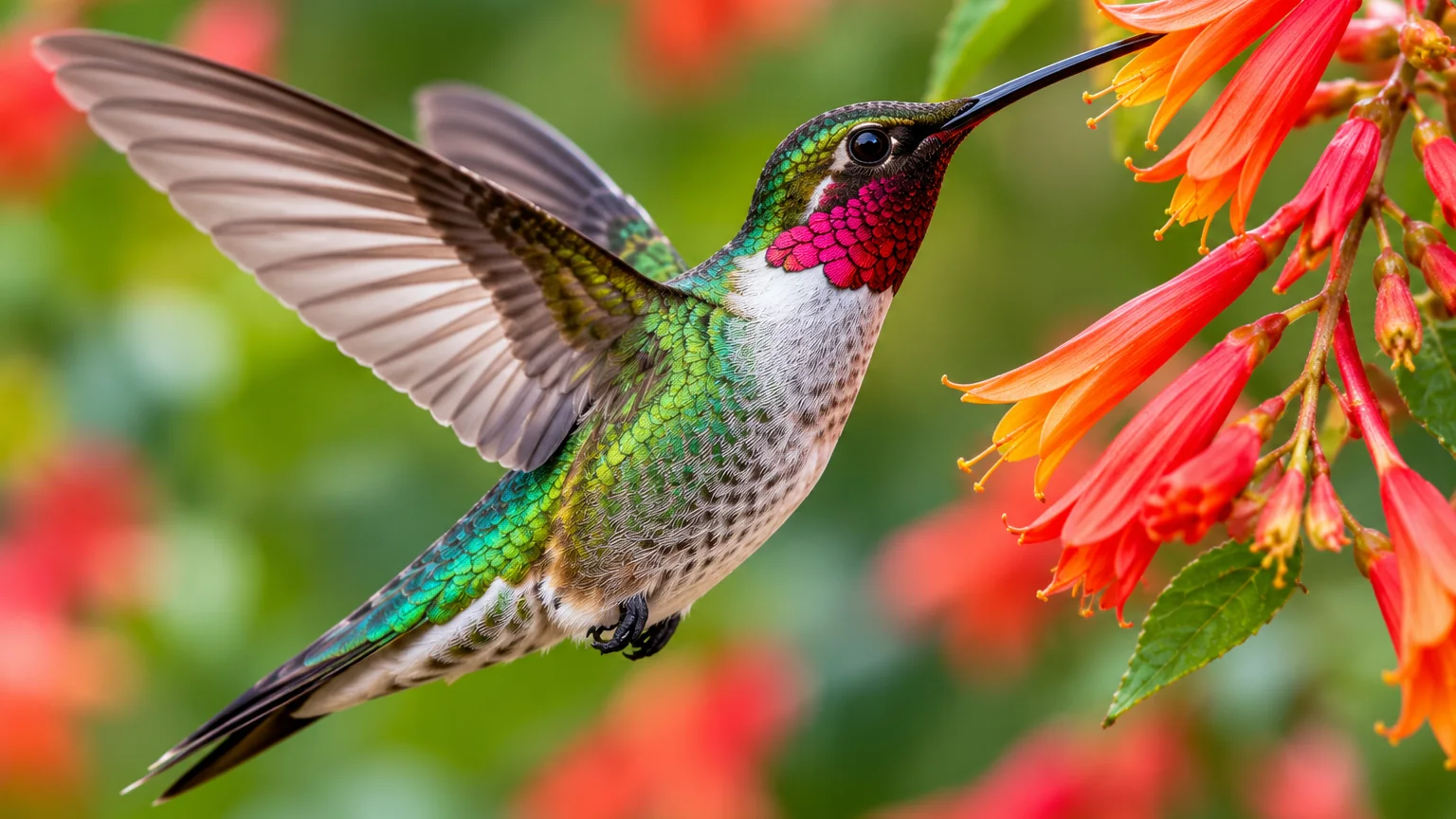
Hummingbirds Can Fly Backward. Their Wings Do More Than Flap.
Hummingbirds can hover, fly sideways and backward by changing their wing movements. That aerial control helps them feed at flowers.
-
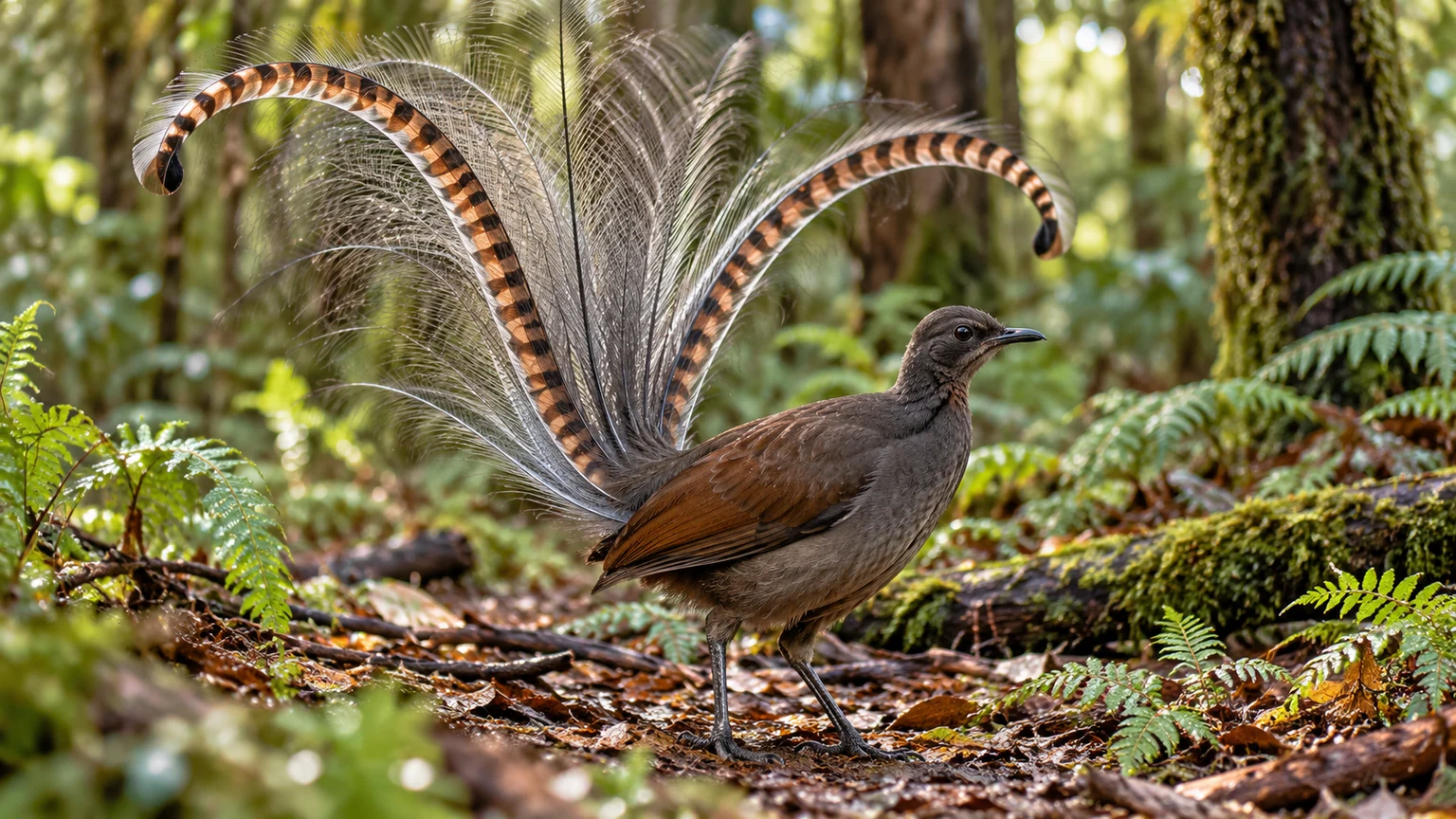
Lyrebirds Can Mimic Chainsaws—but the Famous One Lived in a Zoo
Lyrebirds can mimic chainsaws, but the famous recording featured captive birds. In the wild, their best-documented impressions are other birds.
-
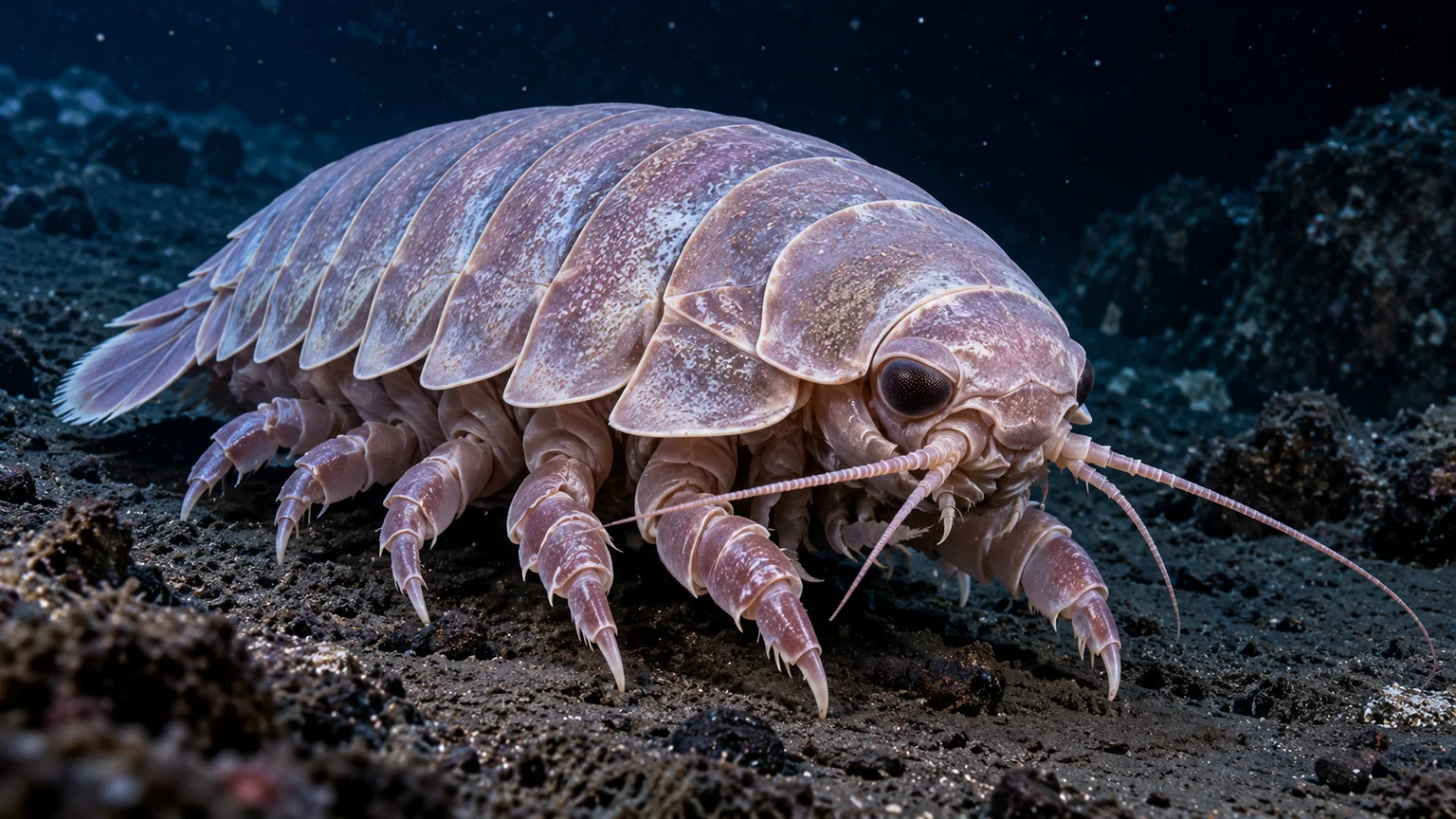
Giant Deep-Sea Isopods Can Go Remarkably Long Without Eating
A giant deep-sea isopod reportedly survived five years without eating in captivity. Here’s how these armored scavengers cope with life between meals.
-
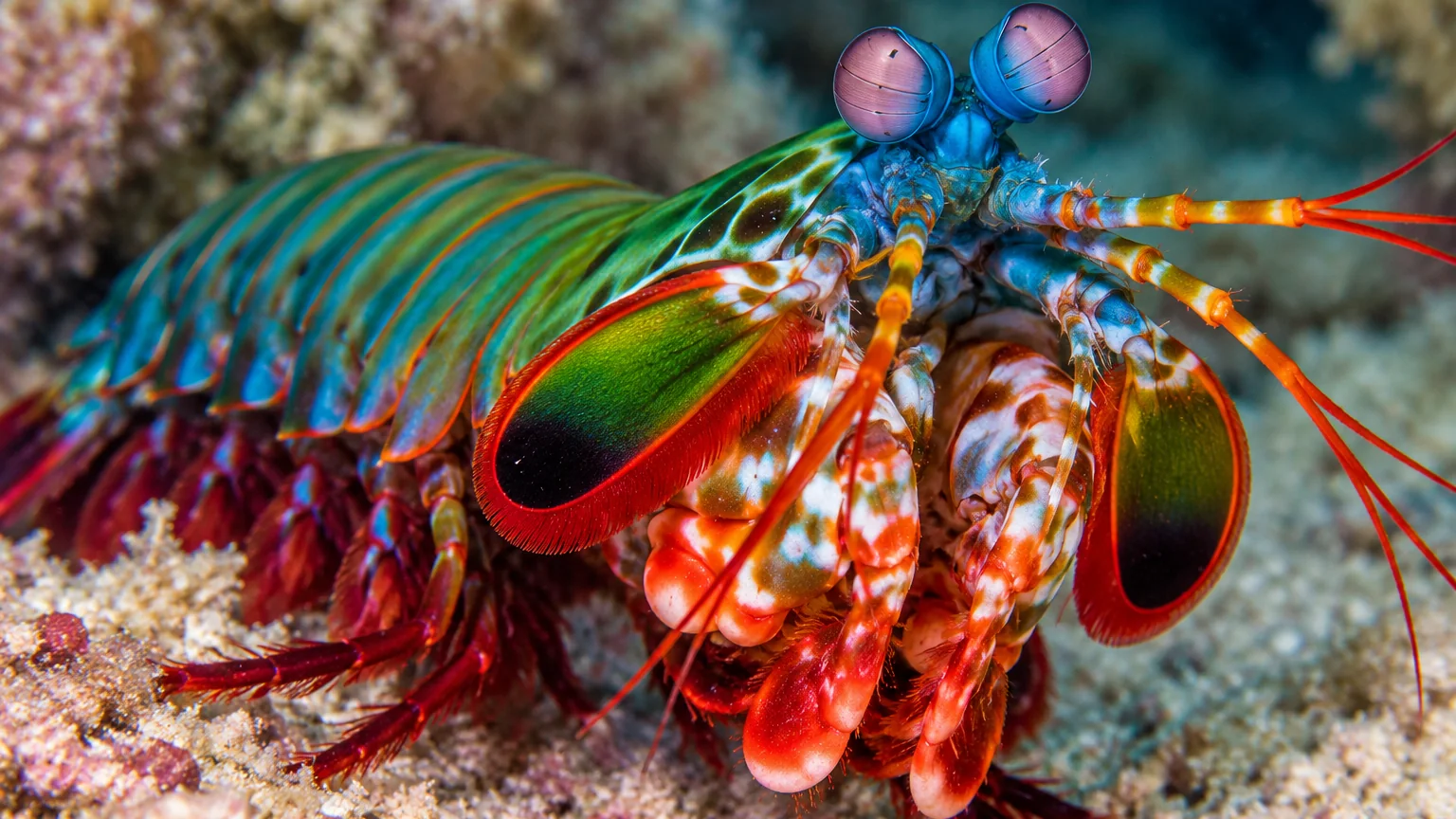
Mantis Shrimp Punch So Fast They Make Bubbles Implode
Mantis shrimp use spring-loaded clubs to smash shells. Their rapid strikes can create cavitation bubbles that collapse and add another jolt.