Latest stories
-
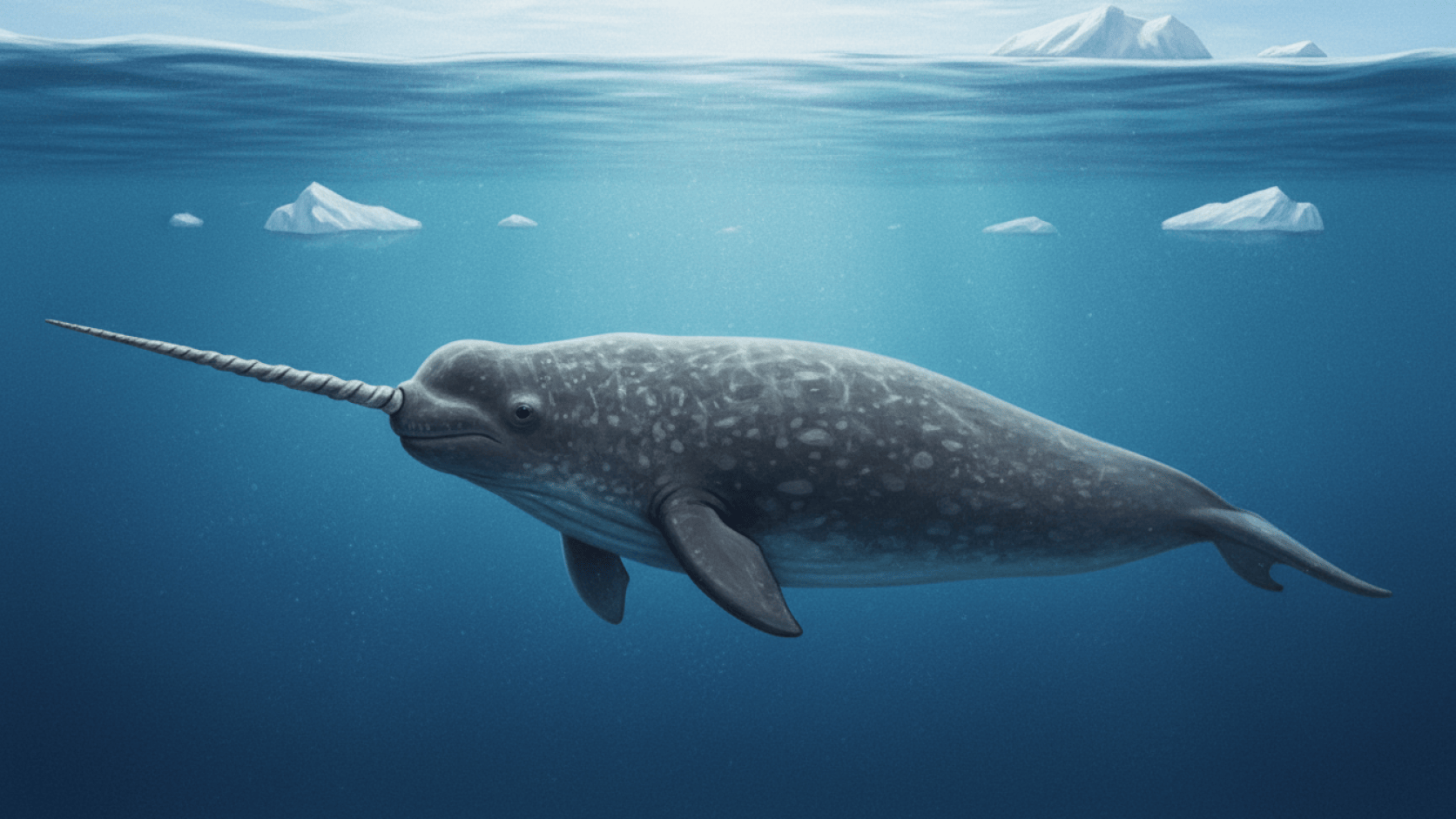
A Narwhal’s Famous Tusk Is Really a Tooth
The narwhal’s long spiral tusk is an elongated canine tooth, usually on the left side. Scientists confirmed the anatomy in skull studies.
-
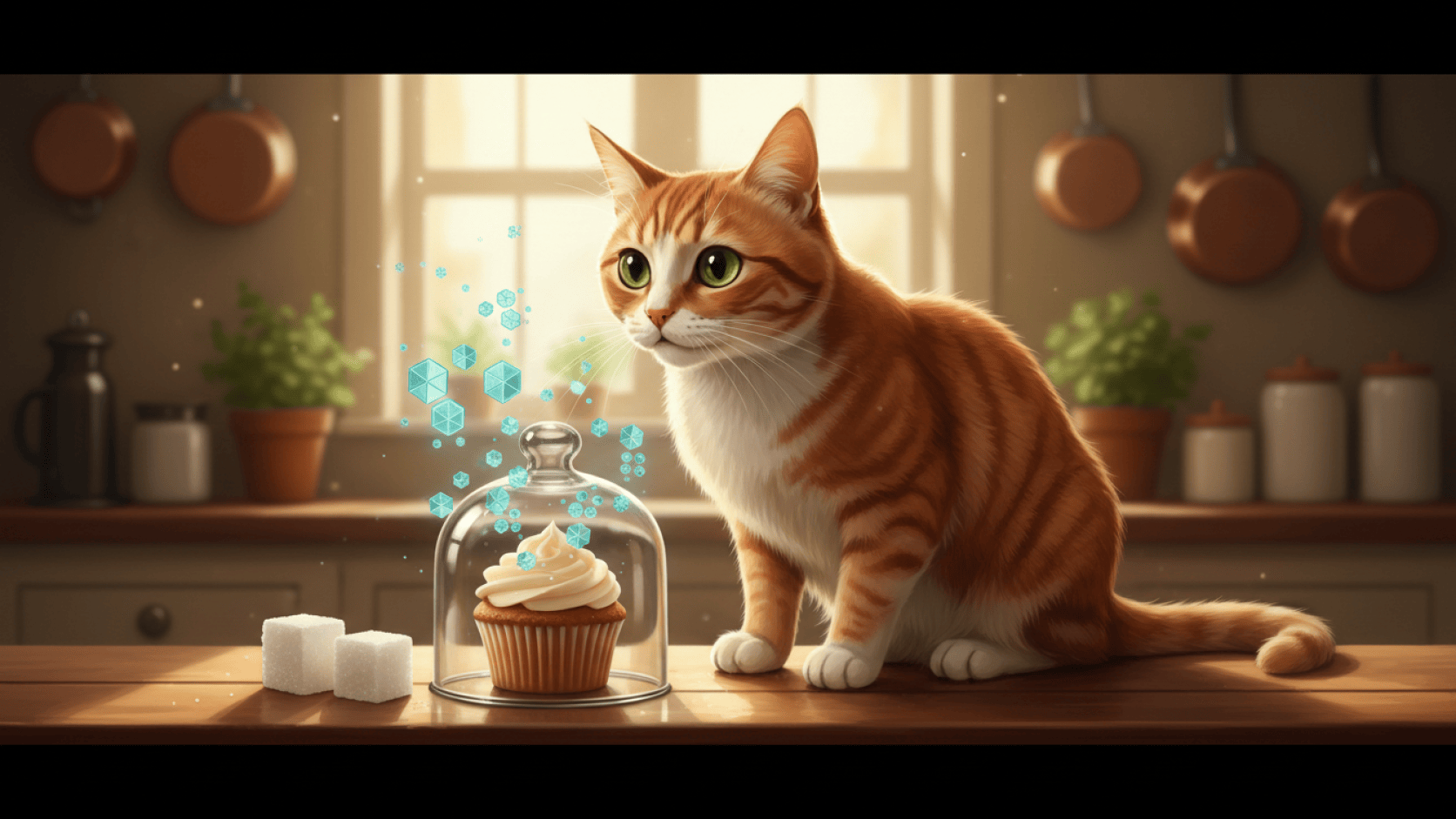
Cats Are Missing the Working Gene Needed to Taste Sweetness
Domestic cats lack a working component of the typical mammalian sweet-taste receptor. Researchers traced the missing taste to a gene change.
-
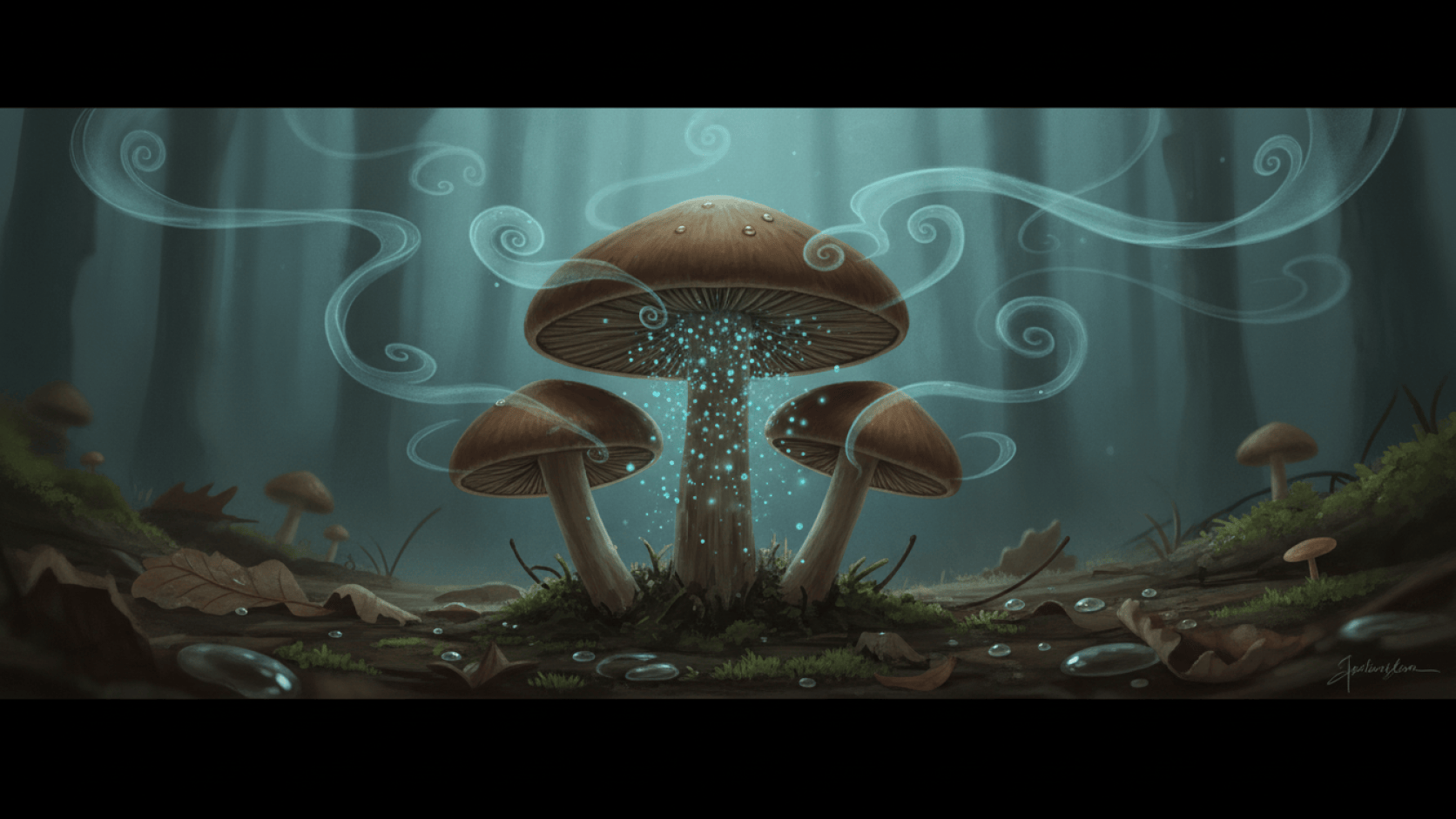
Mushrooms Can Make Their Own Tiny Wind to Spread Spores
Some mushrooms help move their spores by cooling nearby air as water evaporates. The resulting currents can carry spores into the breeze.
-
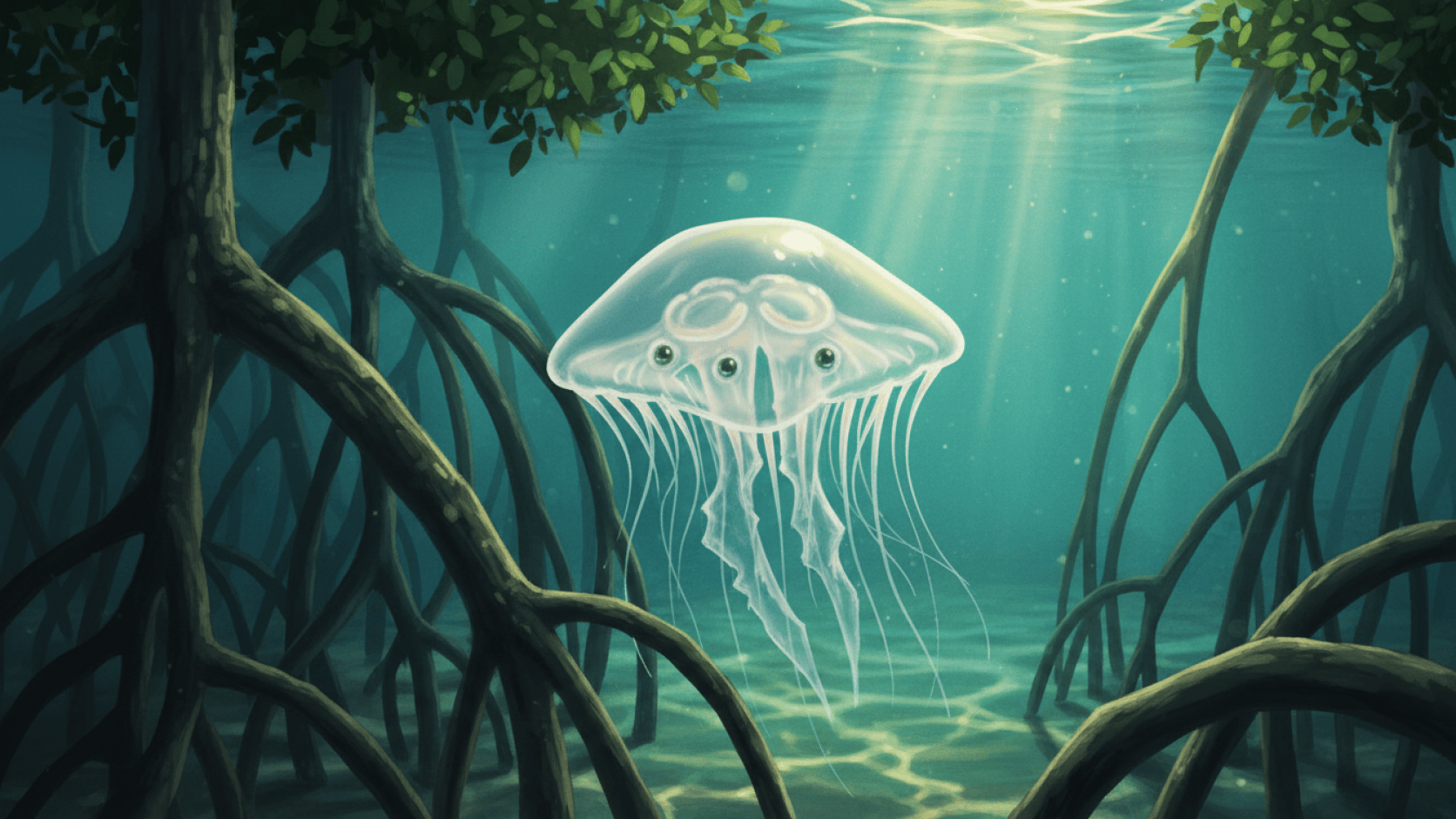
Box Jellyfish Can Learn to Dodge Obstacles Without a Brain
Researchers trained Caribbean box jellyfish to avoid collisions. The animals learned from visual cues and bumps without a centralized brain.
-
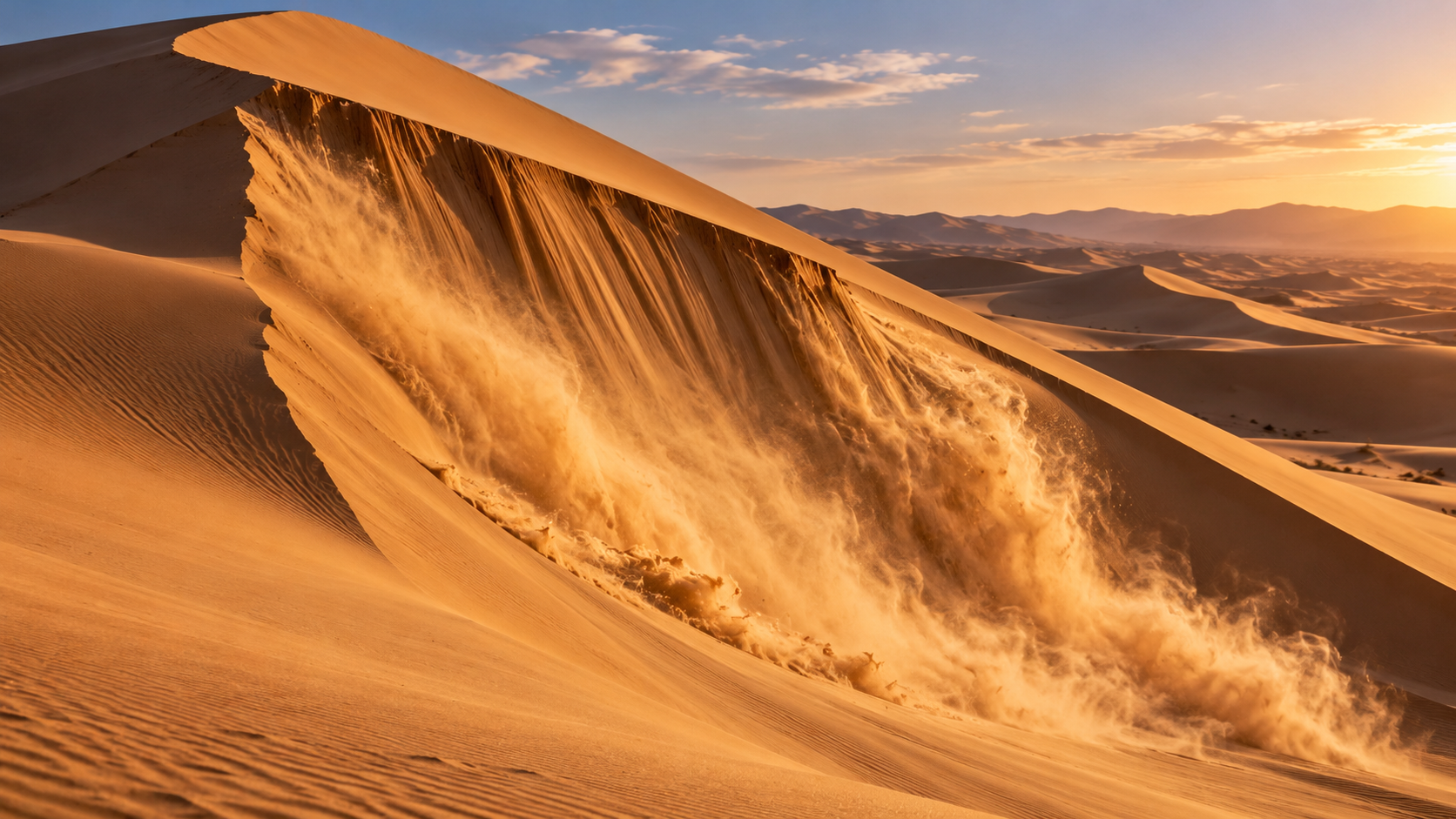
Some Sand Dunes Make a Deep Booming Sound When Sand Slides
Some large sand dunes produce a low booming hum during avalanches of dry sand. Researchers have studied how moving grains synchronize and how dune layers resonate.
-
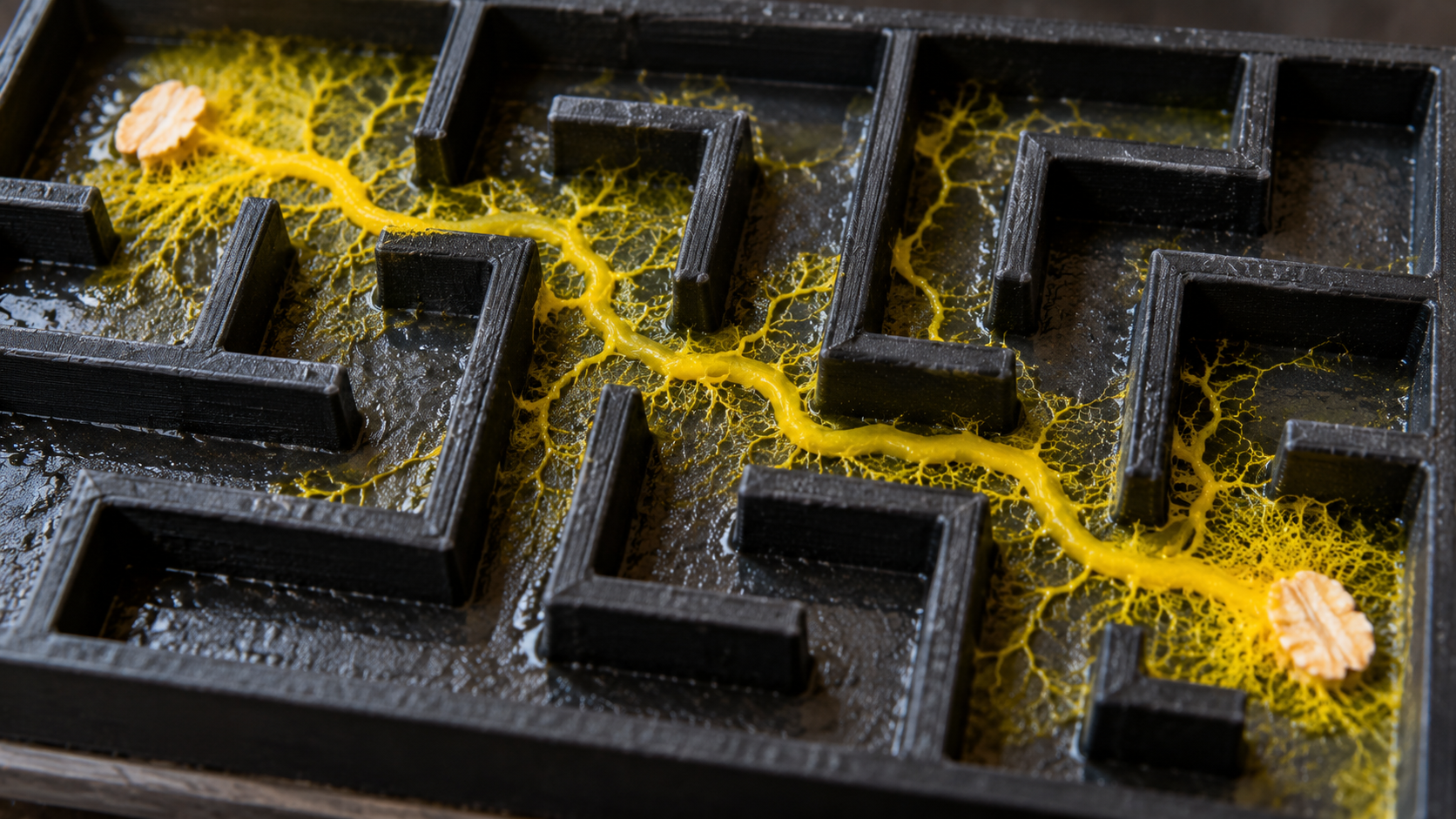
A Slime Mold Can Find a Short Route Through a Maze—Without a Brain
Physarum slime mold can shrink away from dead-end paths and keep an efficient connection between food sources. A classic Nature experiment showed how.
-
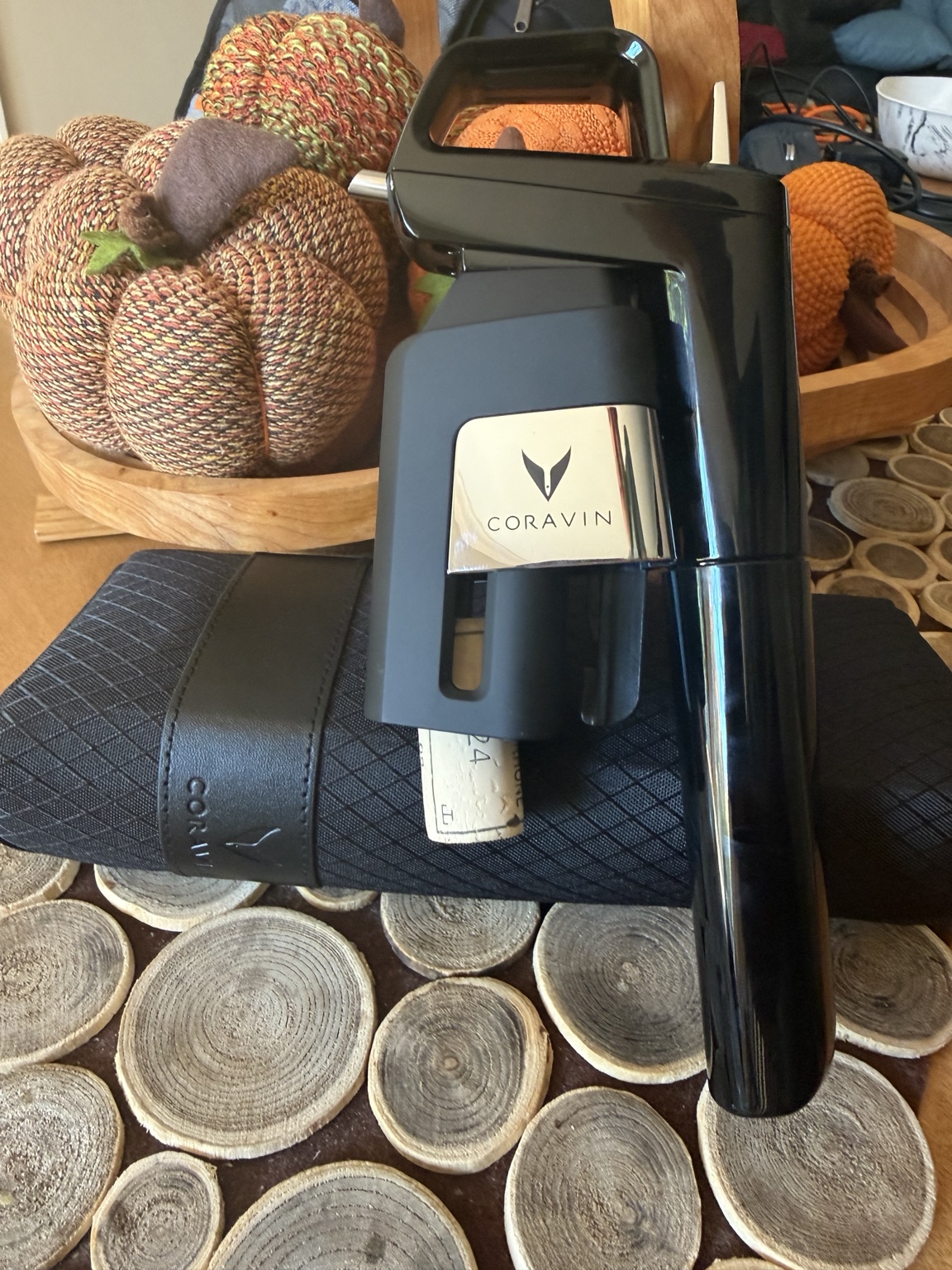
Coravin Timeless Six+ Review
A hands-on look at the Coravin Timeless Six+ wine preservation system, its setup and $379 price, and whether it makes sense for a $9 bottle.
-
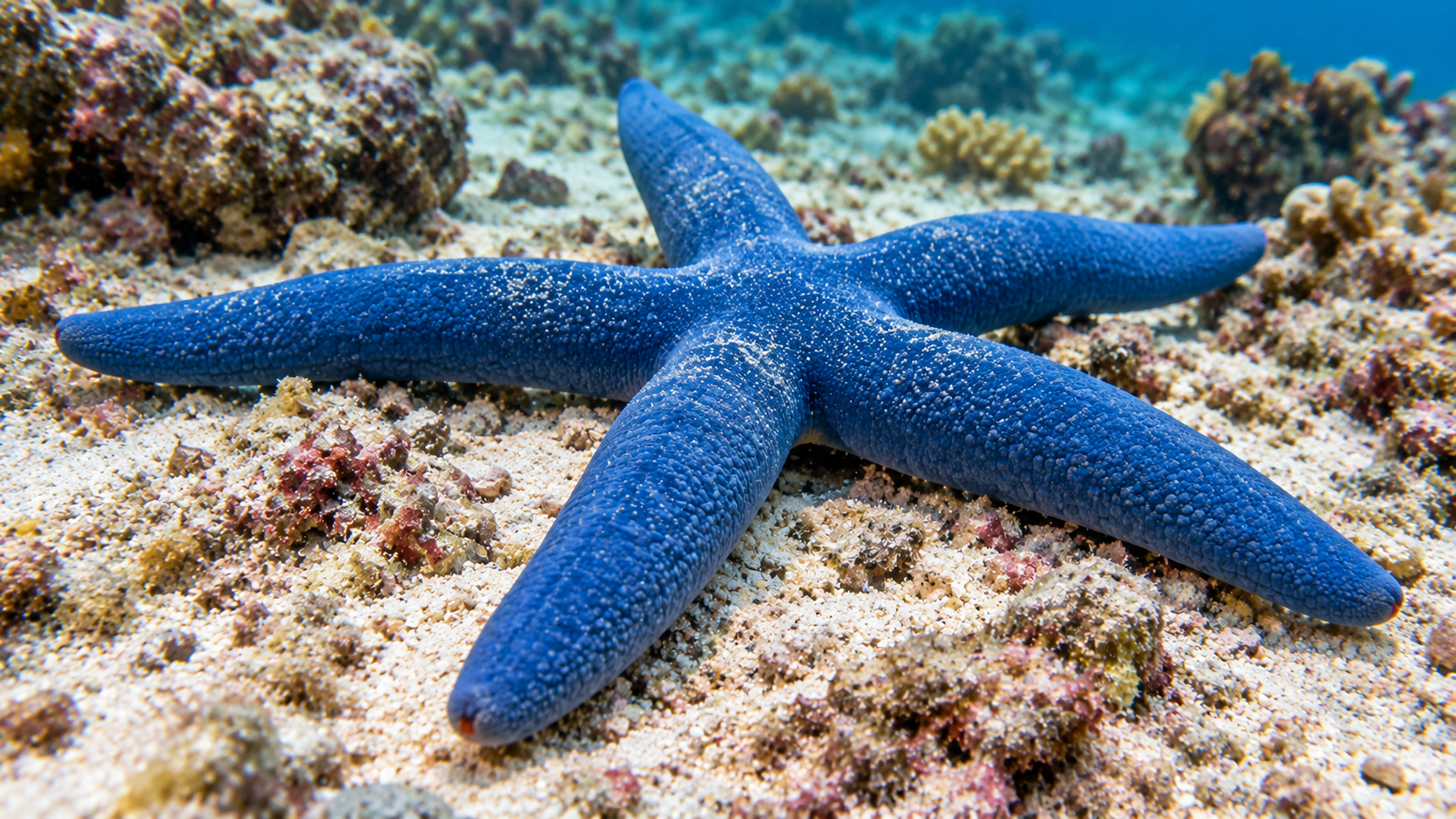
Starfish Have Eyes at the Tips of Their Arms
Most known starfish species have small eyespots at their arm tips. Experiments showed that blue sea stars can use low-resolution vision to find their reef.
-

Titan Has Lakes and Rain—but the Liquid Is Methane
Saturn’s moon Titan has lakes, rivers and rain made from methane and ethane, not water. NASA’s Cassini mission revealed a surprisingly Earthlike liquid cycle.
-
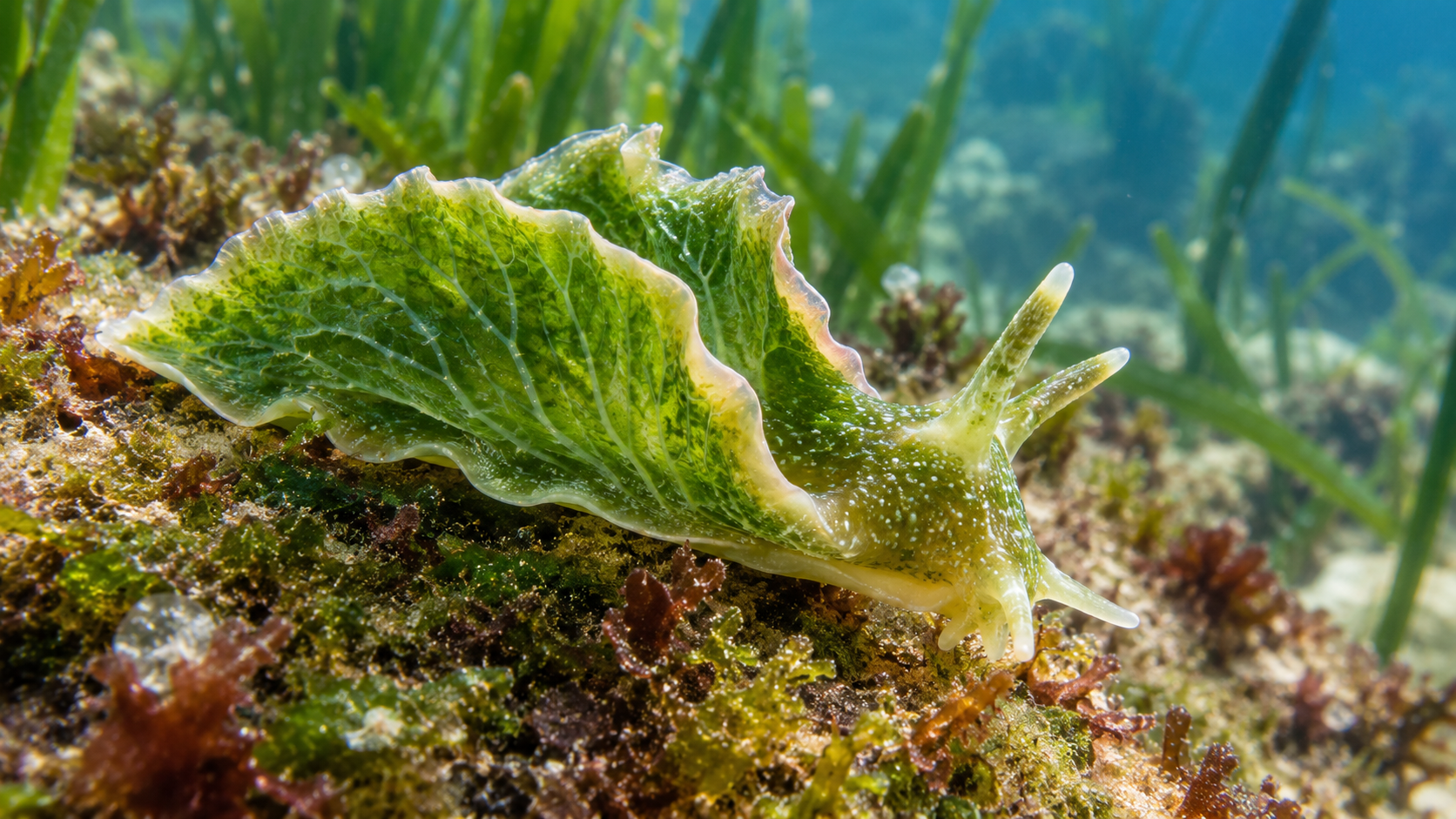
Some Sea Slugs Shed Their Bodies and Grow New Ones From the Head
Two sacoglossan sea slug species can shed the main body—including the heart—and regenerate a new body from the surviving head.