
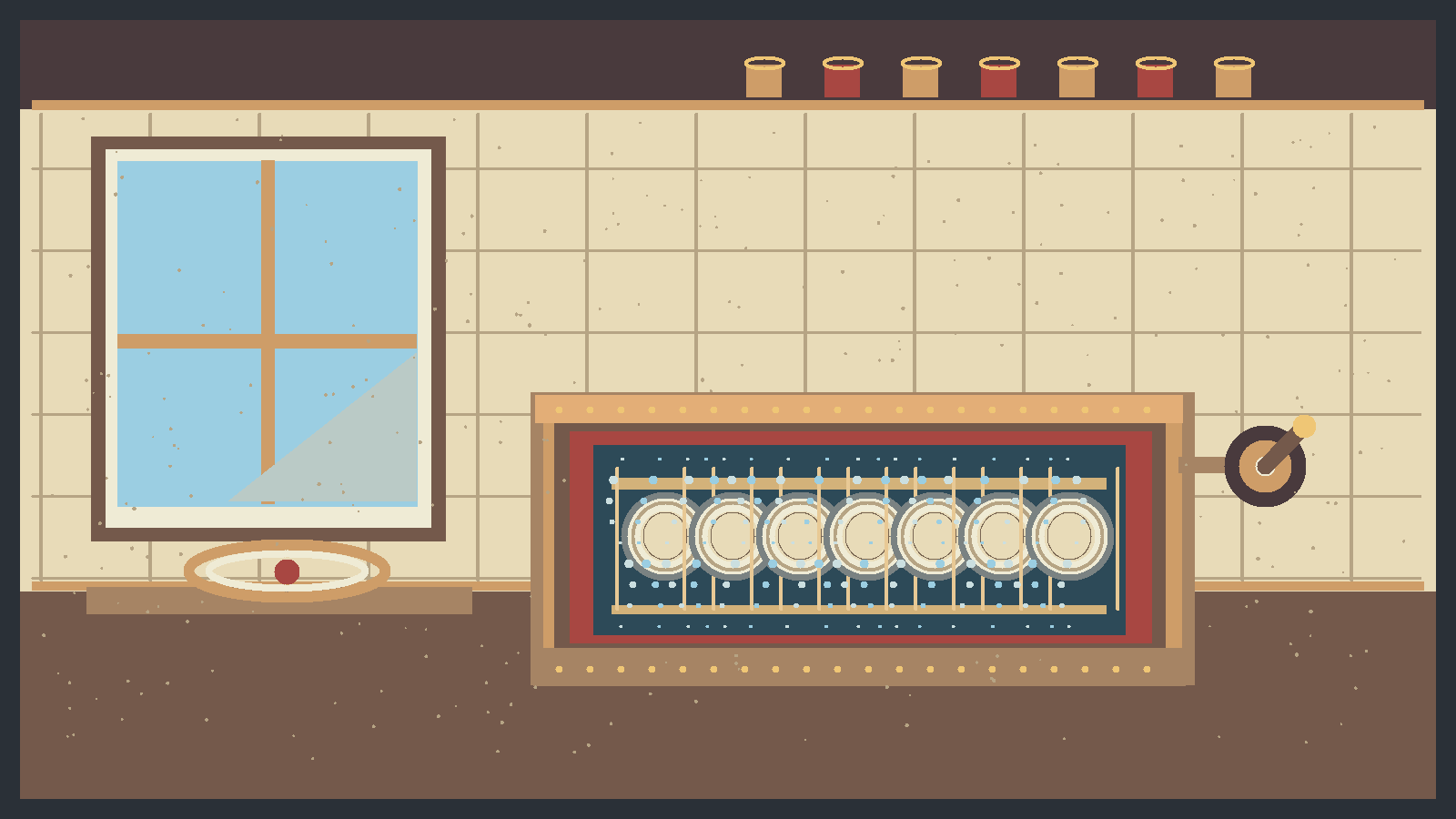
Imagine owning good china and discovering the most dangerous part of dinner is the cleanup. That was one of Josephine Garis Cochran’s frustrations in nineteenth-century Illinois. Rather than resign herself to chipped plates, she worked on a machine that could wash them without someone scrubbing each piece by hand.
She did not invent the idea of a dishwashing machine from nothing. Other people had tried mechanical dishwashers before. What made Cochran’s version important was a practical combination of fitted racks and water pressure—the basic approach that made commercial dishwashing feasible.
First, stop the dishes from breaking
Cochran had a fairly specific problem to solve: she wanted dishes held securely while they were cleaned. Her design used wire compartments shaped to hold plates, cups and saucers, arranged inside a vessel where water could be sprayed over them. Earlier attempts often depended on scrubbers or required users to pour hot water over the dishes. Cochran’s machine let the water do more of the work.
She recruited mechanic George Butters to help build a working prototype. According to the U.S. Patent and Trademark Office’s detailed history, Cochran filed her application in 1885 and received U.S. patent 355,139 on December 28, 1886. The patent covered a dish-washing machine, not the familiar door-and-rack appliance sitting beneath a kitchen counter today.
A crowded world’s fair, and a machine that actually worked
The invention’s public breakthrough came at Chicago’s World’s Columbian Exposition in 1893. The fair was full of elaborate displays, but one exhibit did a very ordinary thing exceptionally fast: it cleaned dishes. The USPTO account describes a demonstration handling more than 200 pieces in about two minutes, while nine other machines were already washing dishes in fair restaurants.
Judges awarded Cochran’s dishwasher a prize for its mechanical construction, durability and suitability for its job. That matters because she was not simply showing off a clever prototype. She needed paying customers.
Restaurants wanted it before households did
Hotels, restaurants and other institutions had an obvious reason to buy a big dishwashing machine: mountains of plates and a constant need to turn them around. According to the U.S. Patent and Trademark Office’s history, Cochran secured her first hotel order from Chicago’s Palmer House in 1887. She later crossed the Sherman House lobby alone, an intimidating step for a woman of her social class at the time, and landed an $800 order. A household might have loved the idea but struggled with the price and the hot-water supply. The National Inventors Hall of Fame, which inducted Cochran in 2006, notes that her company found early success in commercial kitchens while home adoption remained limited.
Cochran also had to manufacture, sell and improve the invention. She founded a company to bring the machines to market and kept working on the design. Her story is about engineering, but it is equally about getting a product into customers’ hands in an era when a woman running a manufacturing business faced substantial obstacles.
The idea survived even when kitchens weren’t ready
It took decades for household conditions to catch up. More reliable hot water, better detergents and changing attitudes toward housework helped dishwashers become much more common in American homes by the mid-twentieth century. Cochran’s company eventually became part of the business that produced KitchenAid dishwashers.
So the first practical modern dishwasher was not born because someone wanted another button to push. It grew out of a very human complaint: why should cleaning a plate be the moment you break it?
And if you are now wondering whether every kitchen problem belongs inside a dishwasher, you might enjoy our separate look at the surprisingly persistent dishwasher-potato idea. The short answer: leave the detergent out of your vegetables.