Category: News
-
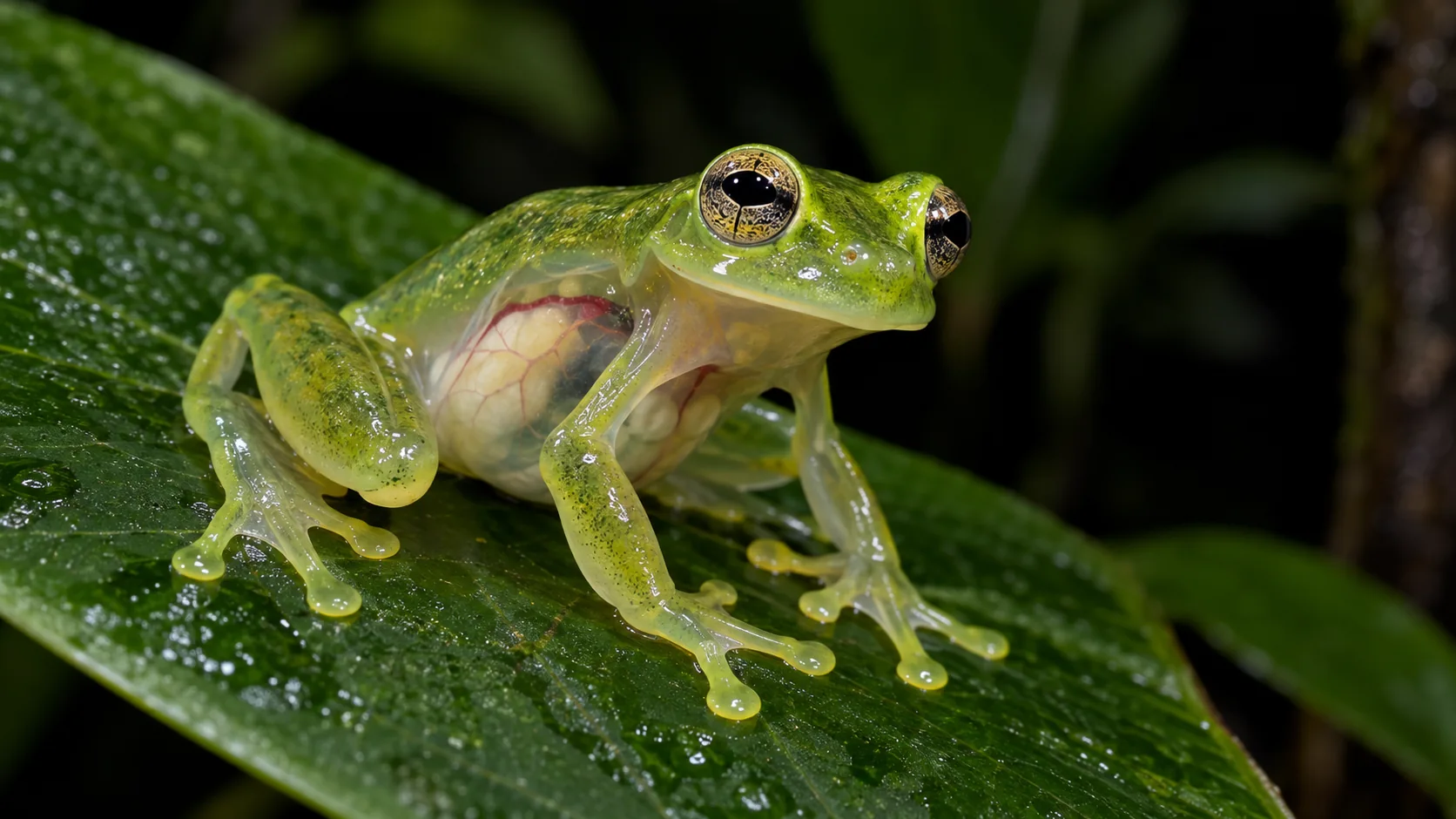
Glass Frogs Hide Nearly 90% of Their Red Blood Cells While Sleeping
Glass frogs become more transparent while sleeping by packing most circulating red blood cells into their livers.
-
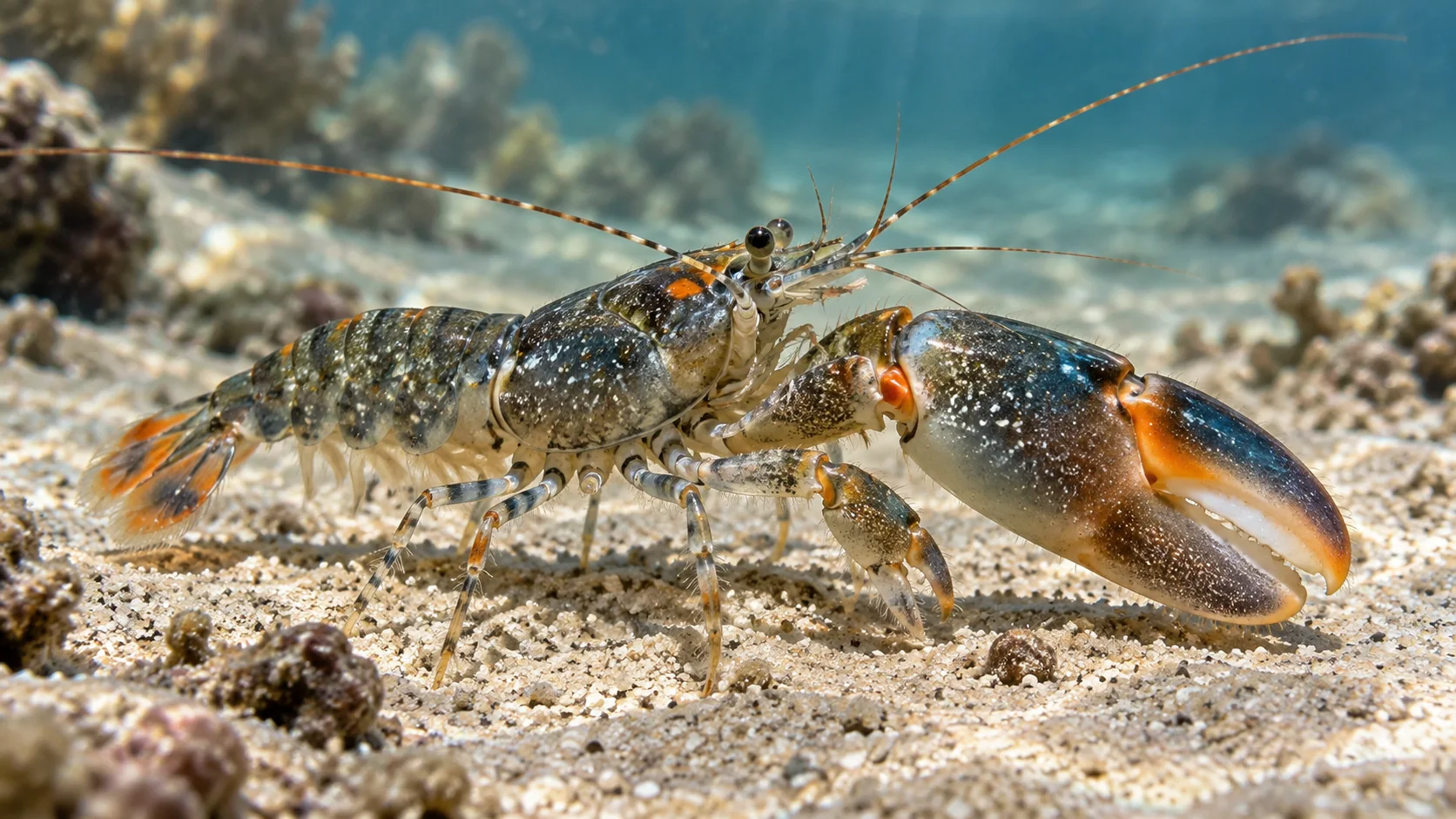
Pistol Shrimp Can Make Bubbles That Flash With Light
A snapping shrimp’s claw creates a cavitation bubble that makes a loud snap—and, in laboratory studies, a brief flash of light.
-
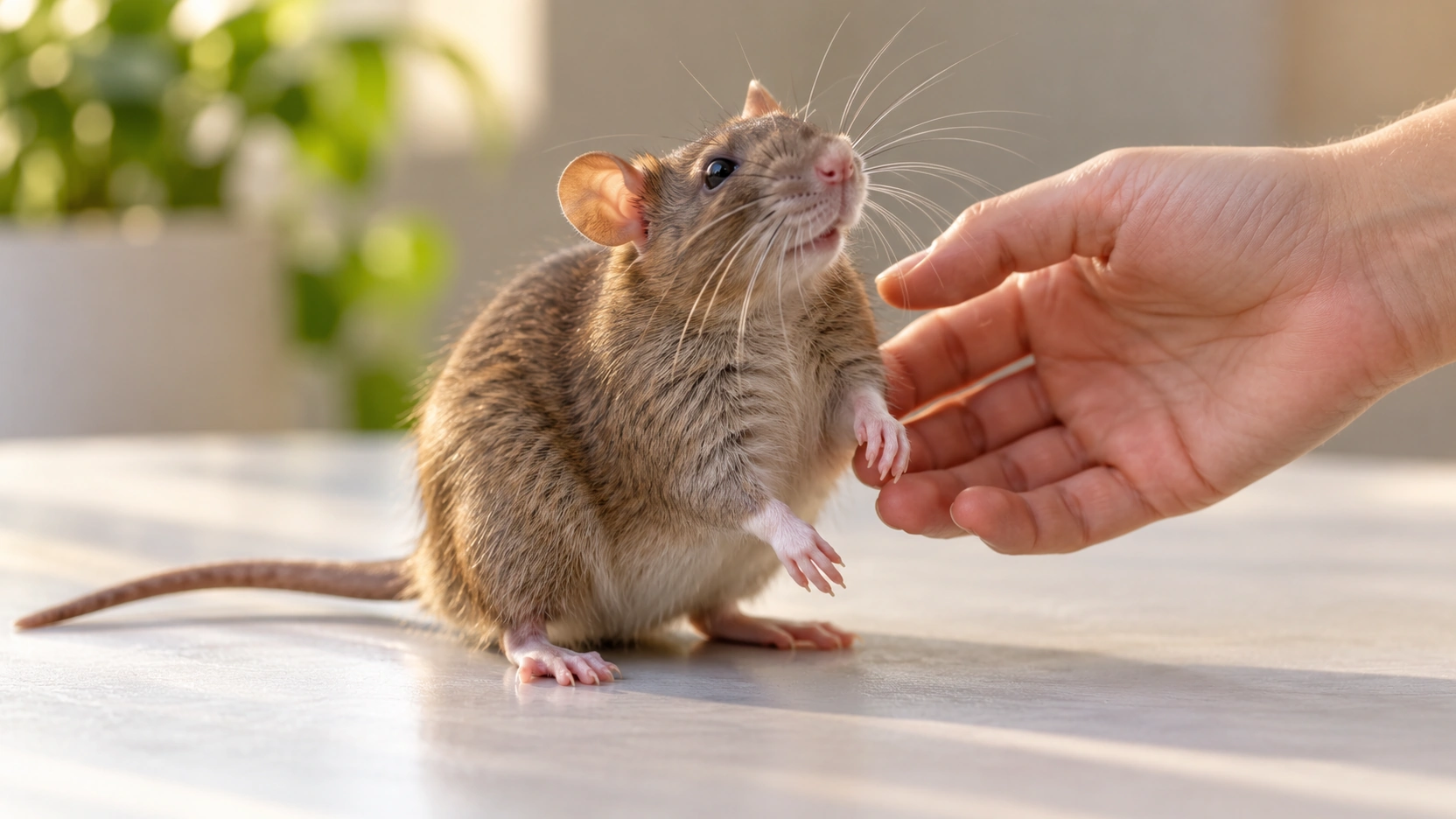
Tickled Rats Make Sounds Humans Can’t Hear—and Scientists Call It Laughter
Researchers tickling rats record 50-kHz calls associated with play and positive emotion, but rat laughter is not identical to human laughter.
-
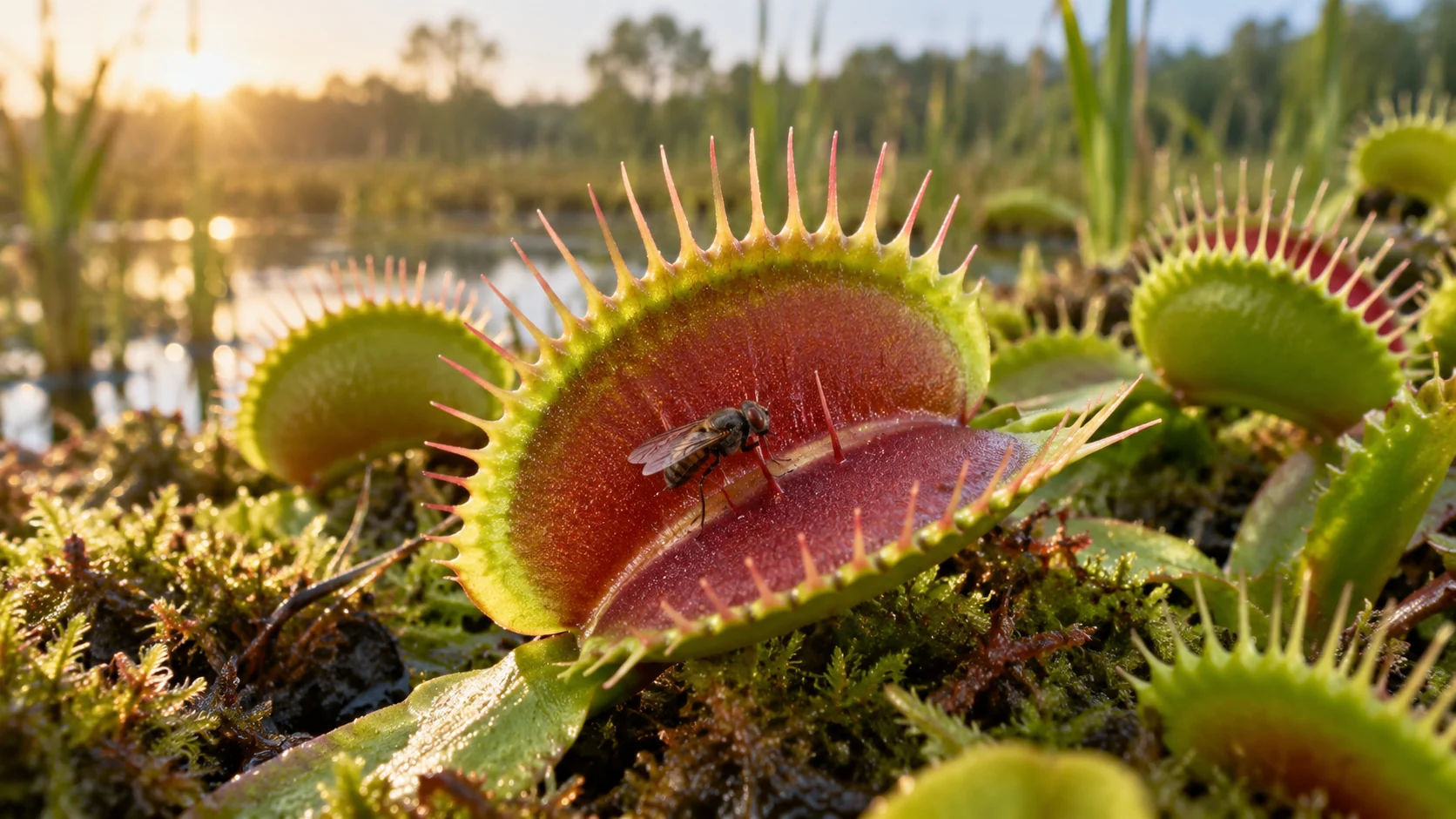
Venus Flytraps Count Electrical Signals Before Digesting Prey
Venus flytraps use electrical signals from trigger hairs to snap shut, then respond to further signals before investing in digestion. The surprising part: one touch can…
-

Antarctica’s Blood Falls Seeps Red, Iron-Rich Brine From a Glacier
Antarctica’s Blood Falls stains Taylor Glacier red. Here’s how iron-rich brine escapes cold ice, and what new research reveals about its unusual color.
-
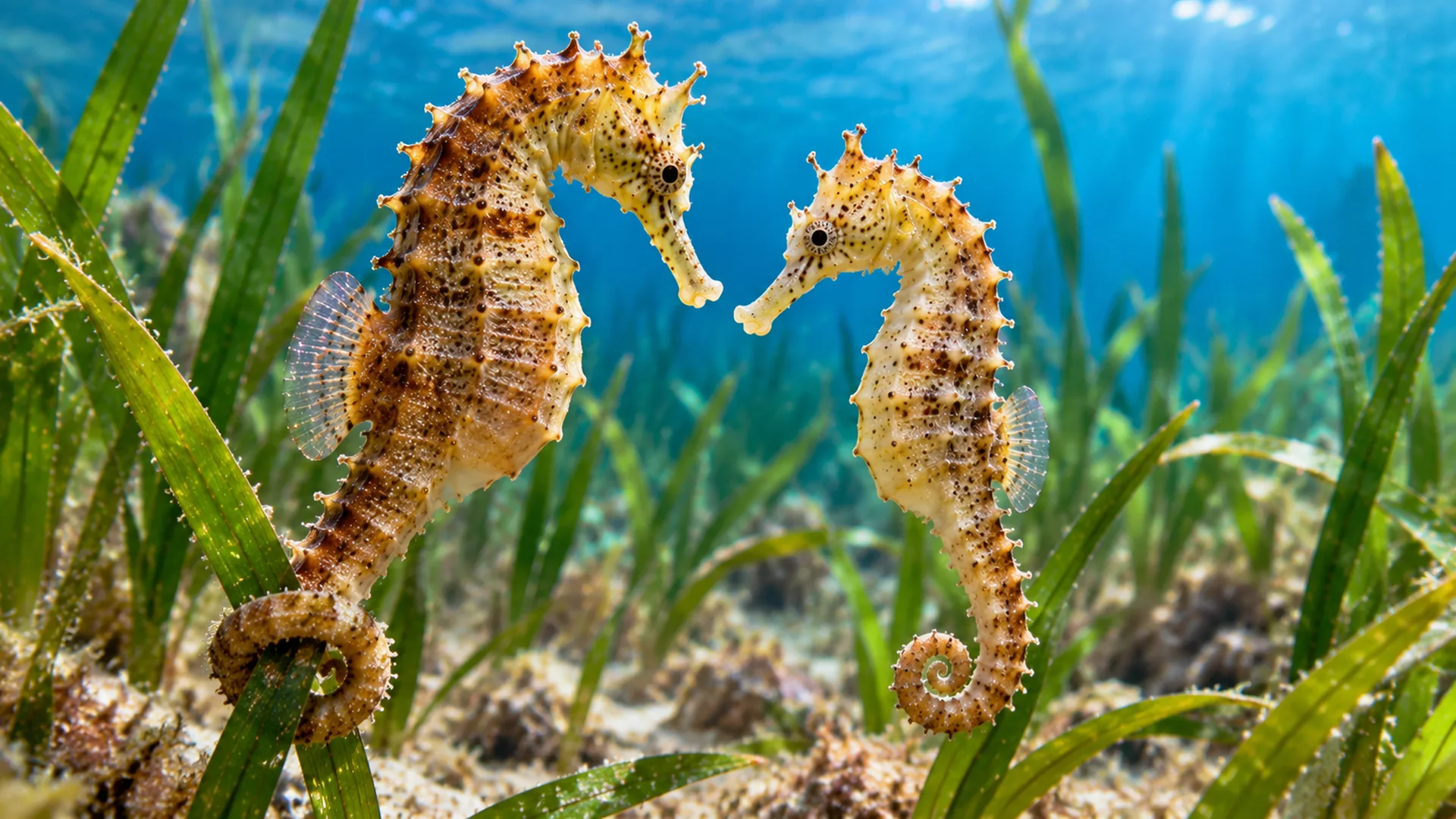
Male Seahorses Give Birth. Yes, the Dads Are Pregnant.
Male seahorses carry eggs in a brood pouch, protect developing embryos and deliver tiny young through muscular contractions. Here is how it works.
-

The Moon Is Moving Away From Earth About 1.5 Inches Every Year
The Moon drifts about 1.5 inches farther from Earth each year. NASA’s laser measurements reveal how tidal forces make our satellite slowly recede.
-
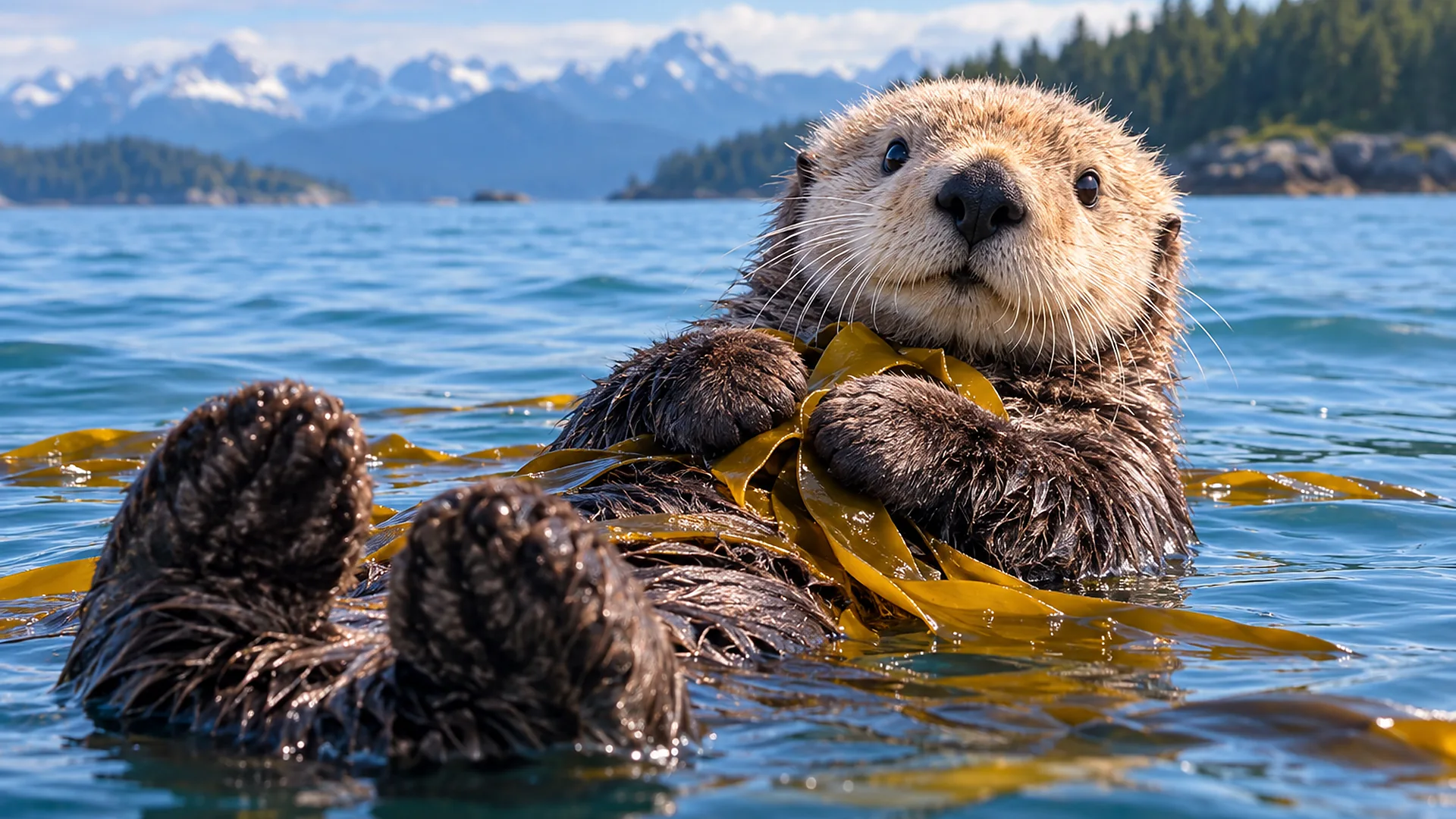
Sea Otters Wrap Themselves in Kelp to Sleep Without Drifting Away
Sea otters use kelp as a natural anchor while resting. NOAA explains why they float on their backs, gather in rafts and sometimes wrap up in…
-

A Fluffy Cloud Can Hold a Million Pounds of Water. Seriously.
A representative cumulus cloud can contain roughly 1.1 million pounds of water. Here is the USGS math and why the droplets do not fall at once.
-
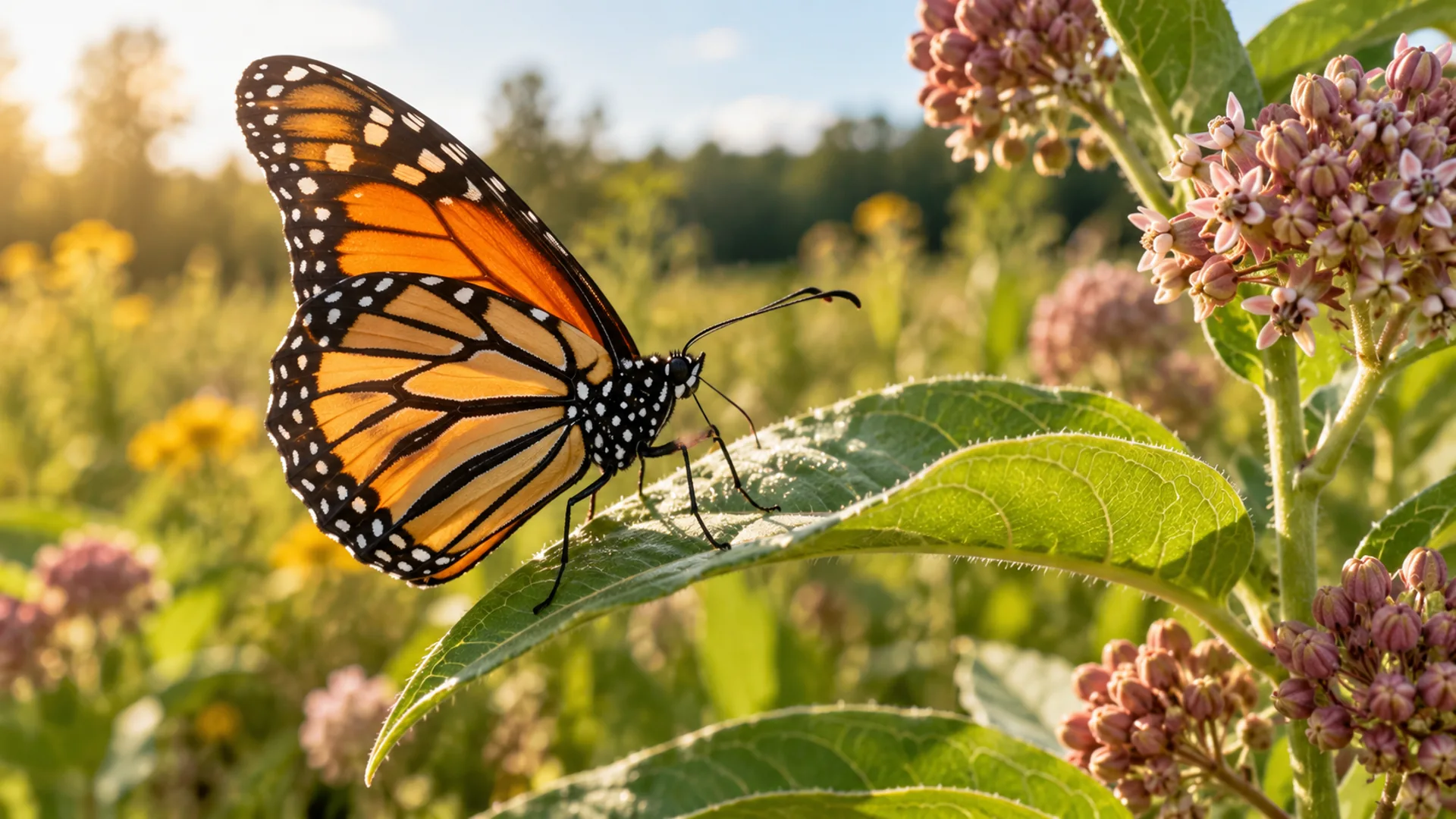
Butterflies Taste With Their Feet. Apparently Shoes Would Ruin Everything.
Butterflies can taste leaves, sweat and other surfaces with sensors on their feet. Here is how contact chemoreceptors help them find food and choose egg-laying plants.