Author: Jason Mitchell
-
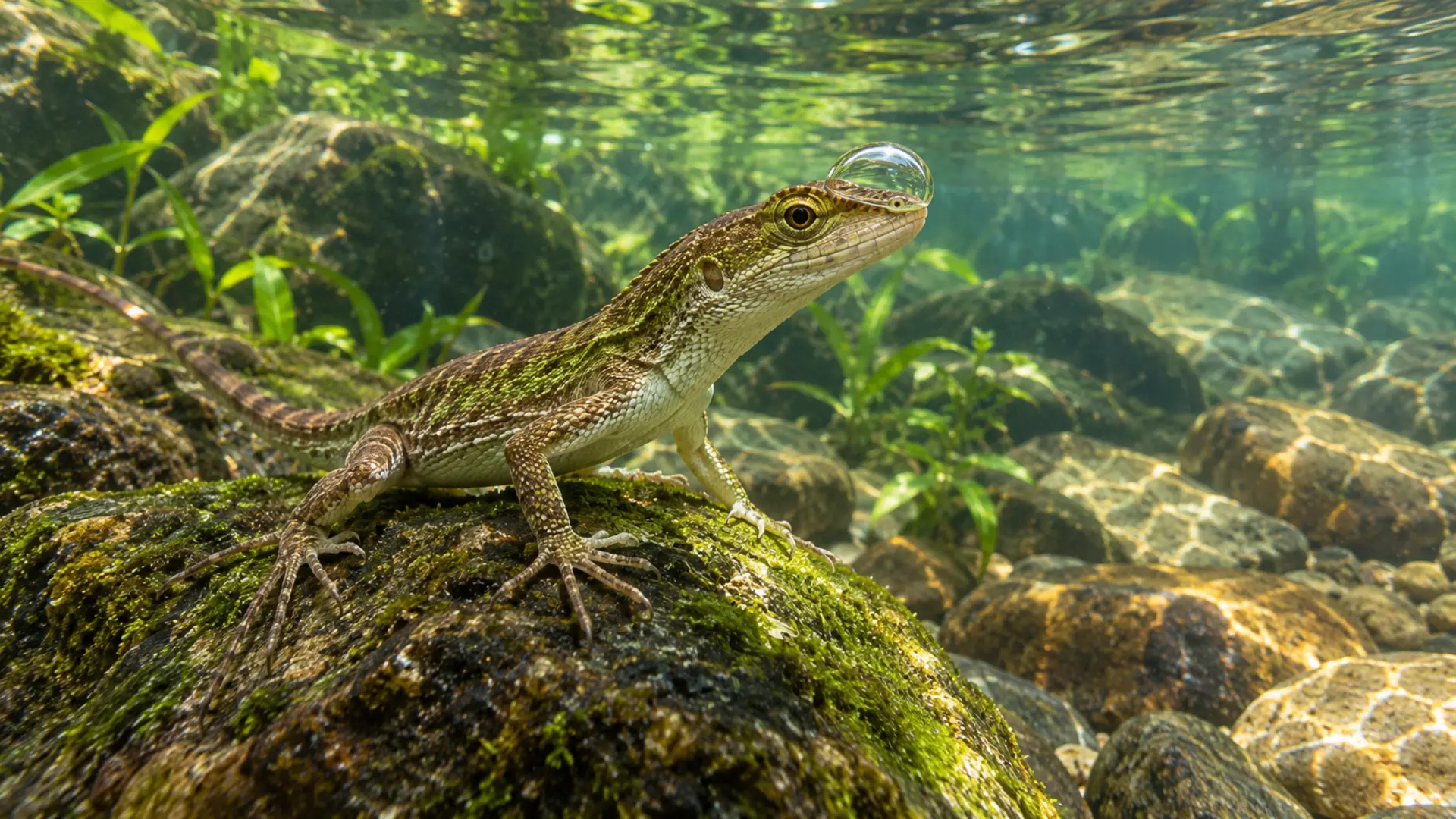
This Lizard Breathes From a Bubble on Its Nose
A Costa Rican water anole rebreathes an air bubble over its nose. An experiment found normal bubble use extended average dive time by about 32%.
-
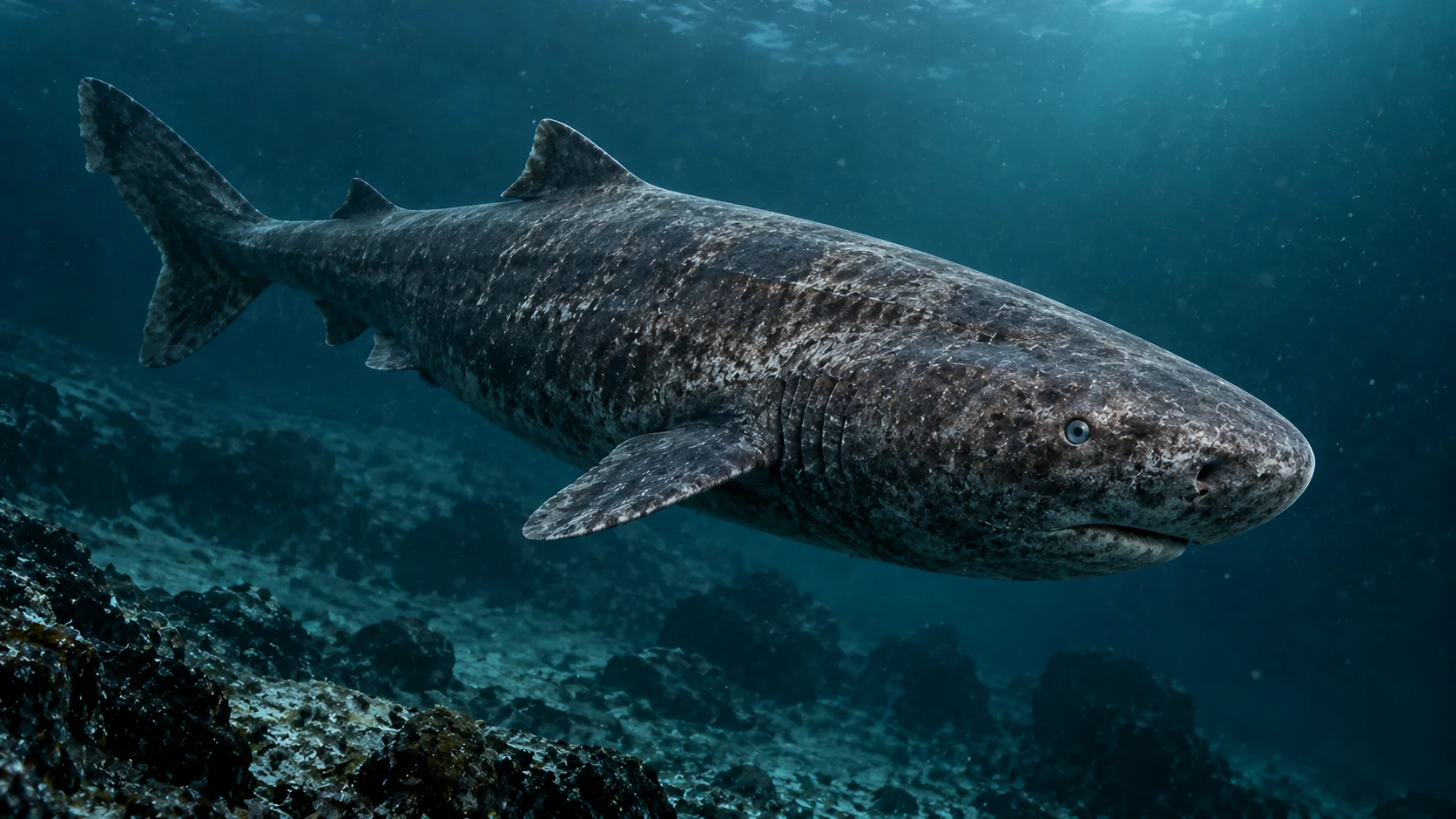
Greenland Sharks May Live 400 Years. Their Eyes Hold the Clue.
Greenland sharks may survive for centuries. Scientists used eye-lens radiocarbon to estimate one shark at 392 years, but the range is surprisingly wide.
-
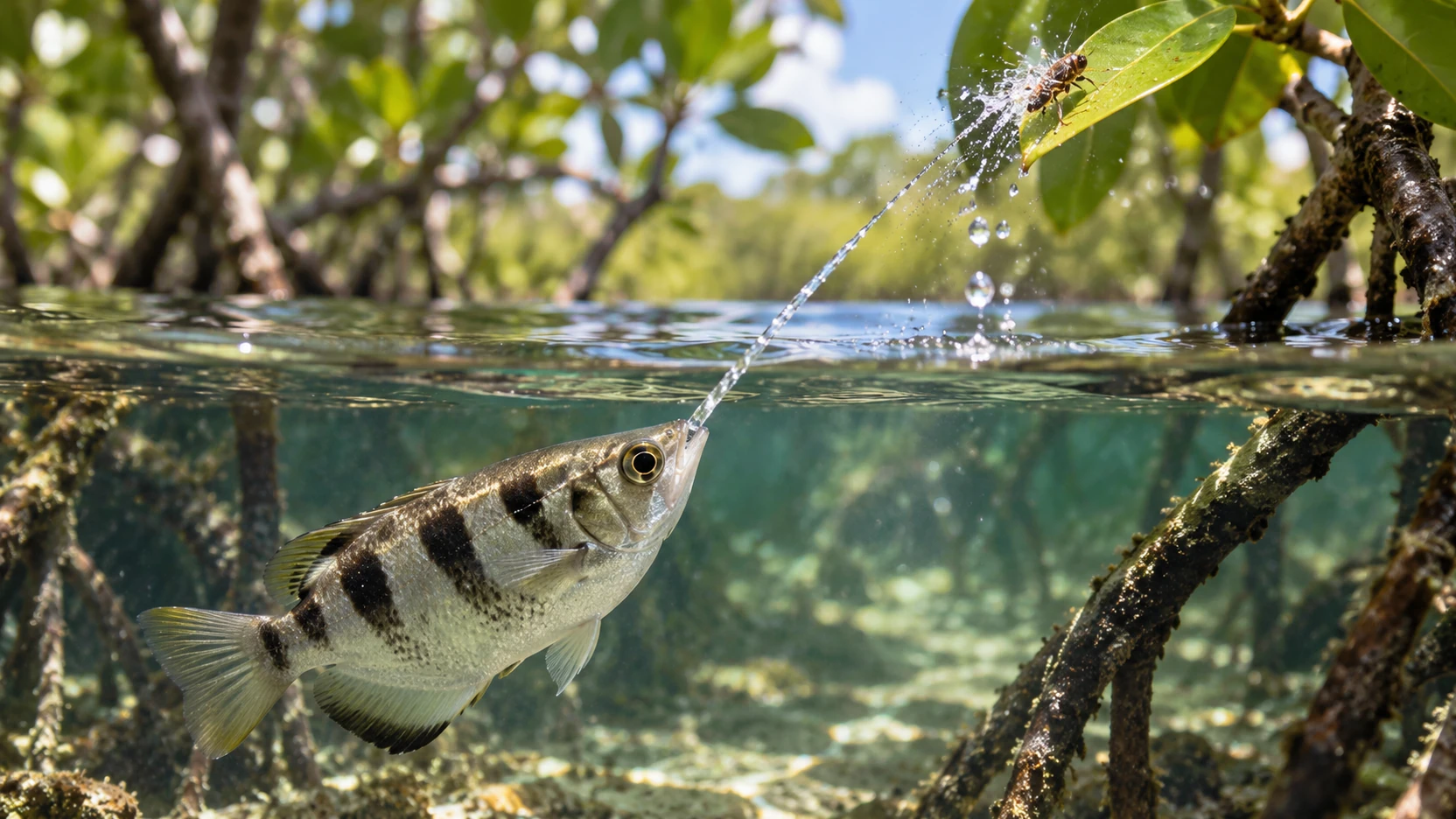
Archerfish Shoot Down Insects With Water. They Can Learn to Hit Moving Targets, Too.
Archerfish fire carefully aimed jets of water at insects above the surface, and experiments show they can learn to hit moving targets.
-
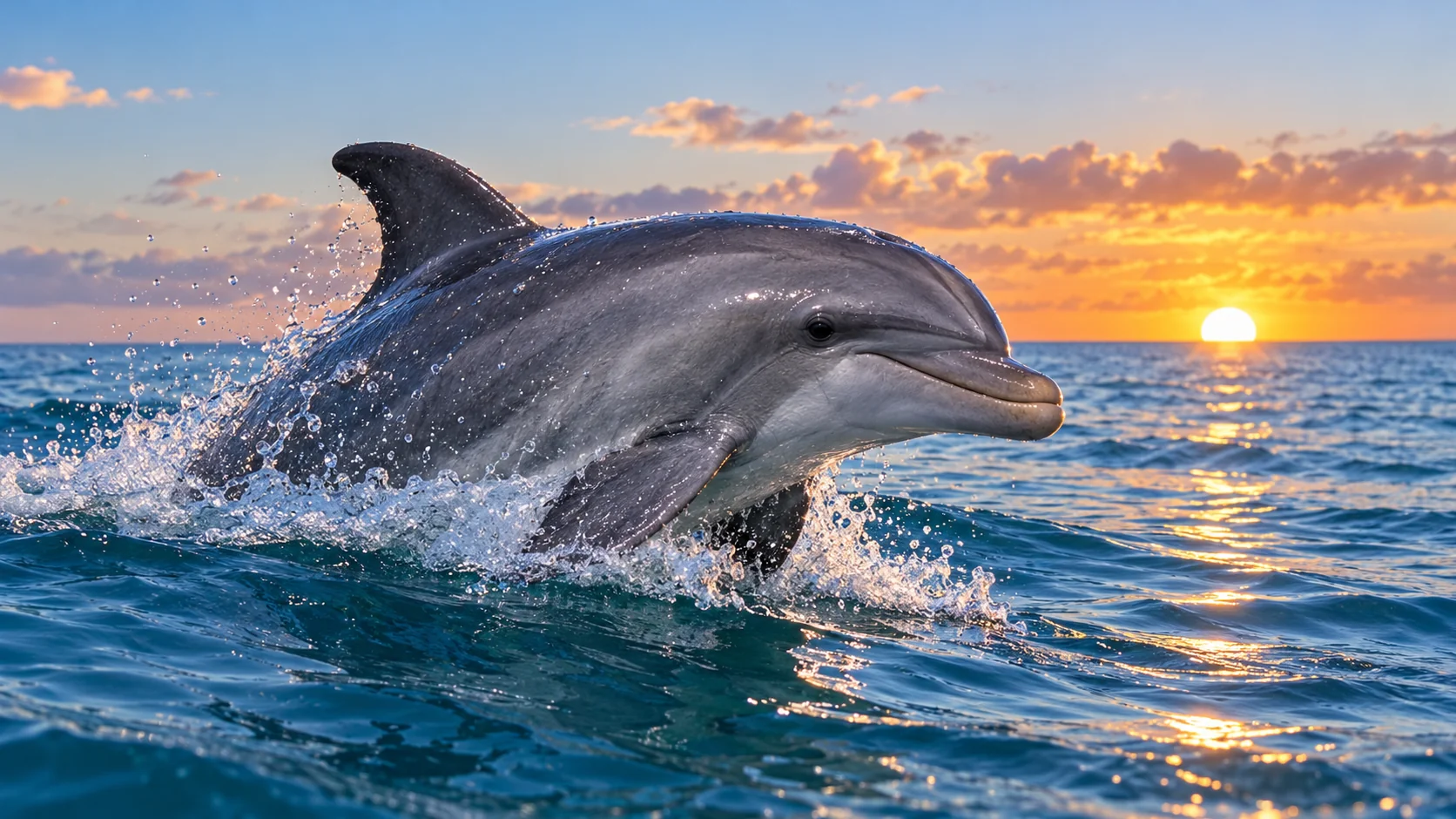
Dolphins Sleep With Half Their Brain Awake. One Eye Can Stay Open, Too.
Dolphins take turns resting one brain hemisphere while remaining able to surface and breathe. Sleeping with one eye open is real, but not quite a foolproof…
-
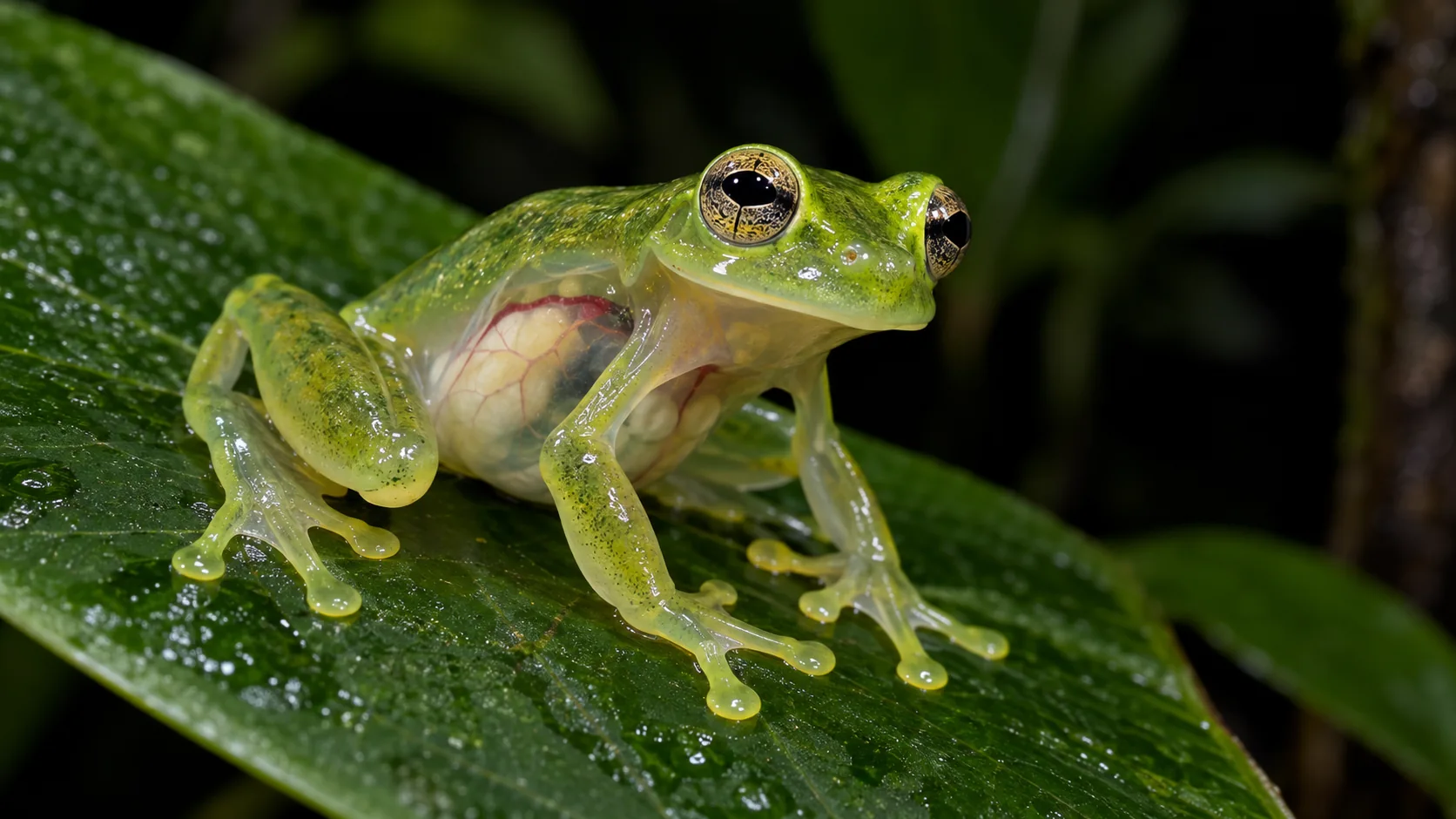
Glass Frogs Hide Nearly 90% of Their Red Blood Cells While Sleeping
Glass frogs become more transparent while sleeping by packing most circulating red blood cells into their livers.
-
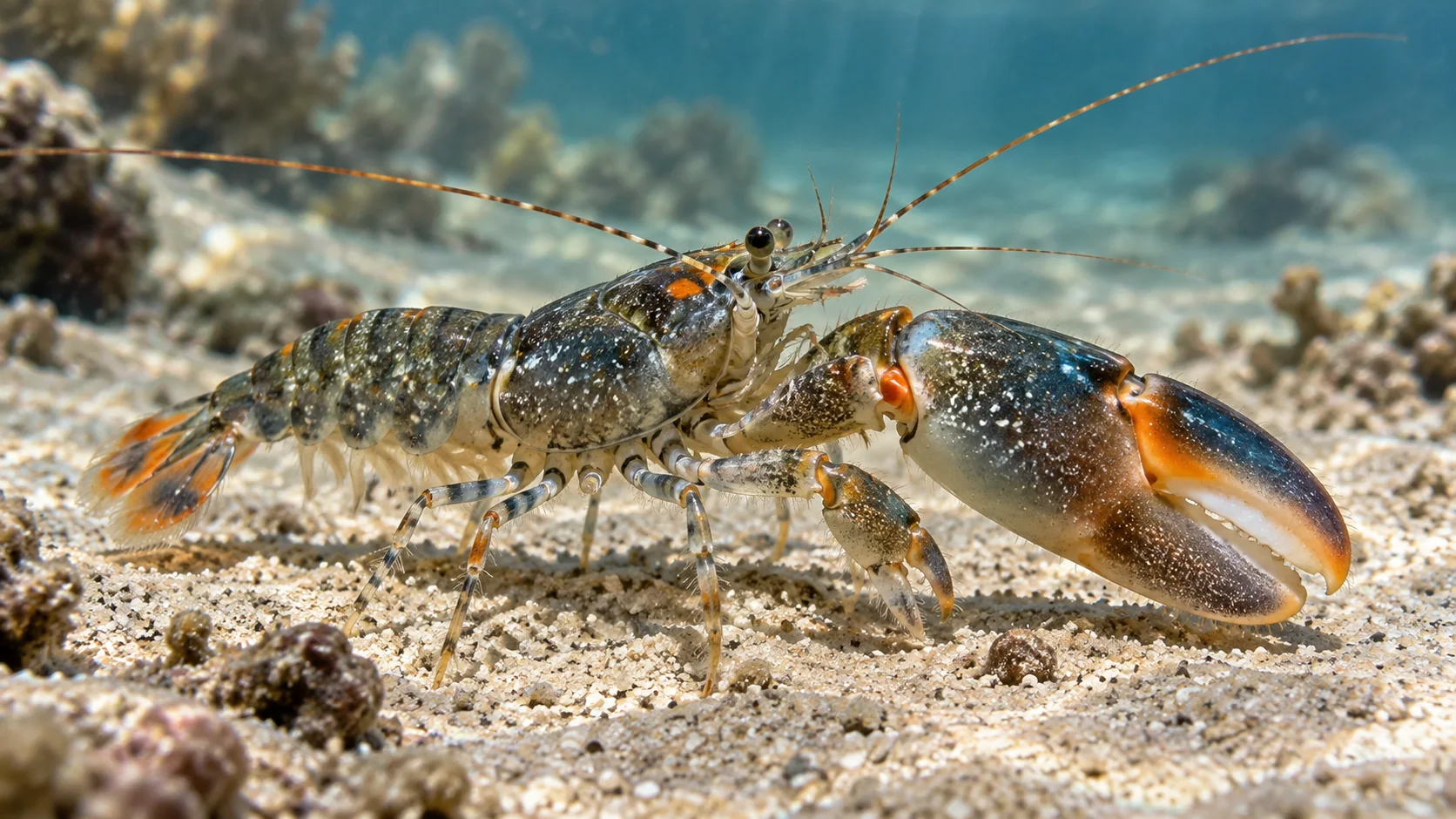
Pistol Shrimp Can Make Bubbles That Flash With Light
A snapping shrimp’s claw creates a cavitation bubble that makes a loud snap—and, in laboratory studies, a brief flash of light.
-
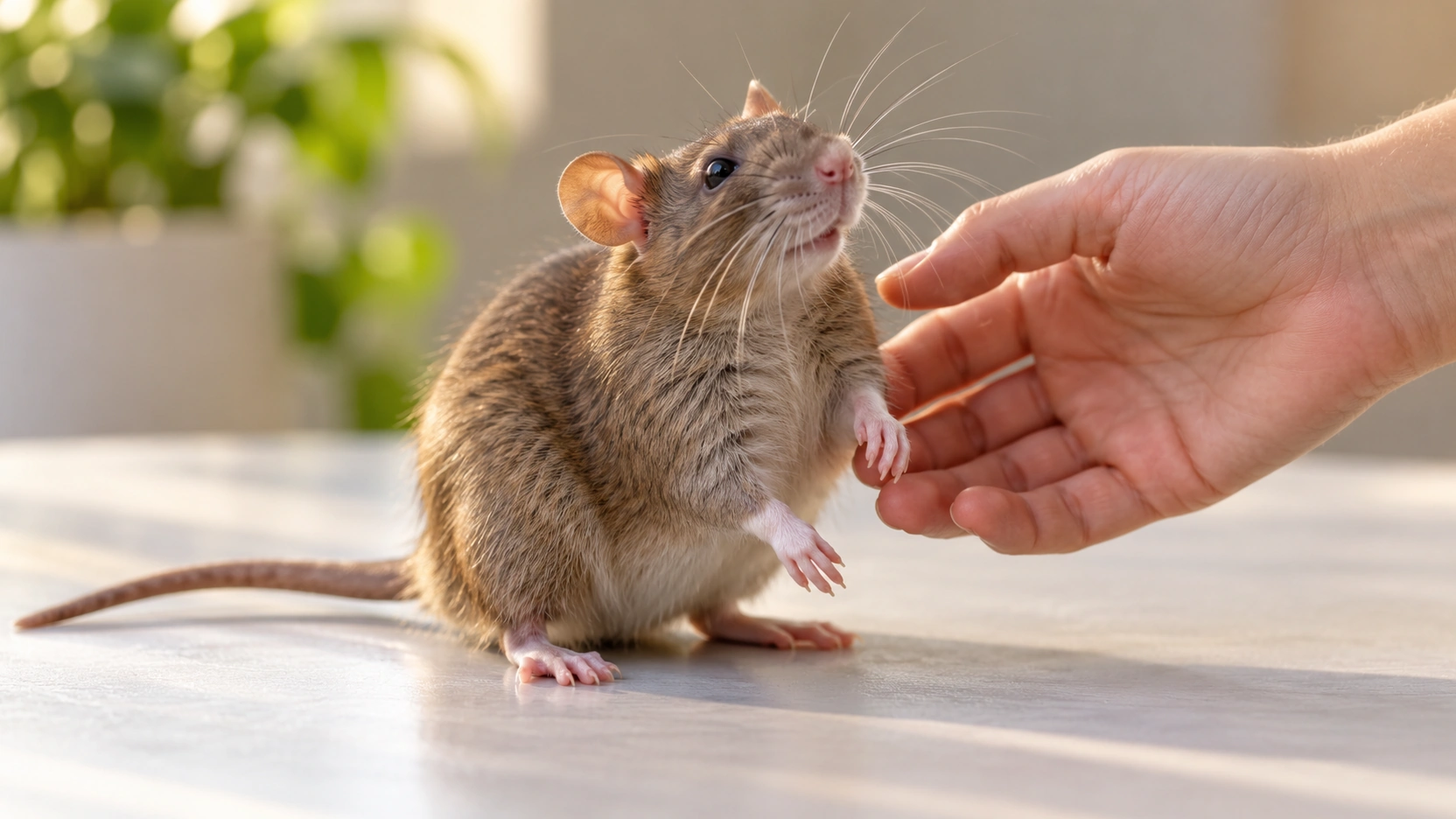
Tickled Rats Make Sounds Humans Can’t Hear—and Scientists Call It Laughter
Researchers tickling rats record 50-kHz calls associated with play and positive emotion, but rat laughter is not identical to human laughter.
-

The Moon Is Moving Away From Earth About 1.5 Inches Every Year
The Moon drifts about 1.5 inches farther from Earth each year. NASA’s laser measurements reveal how tidal forces make our satellite slowly recede.
-

Scotland’s National Animal Is a Unicorn. And Yes, It Has a Royal Backstory.
Scotland’s national animal is a unicorn. Here’s how a mythical beast became a royal symbol, why it wears chains, and where Scotland still displays it.
-
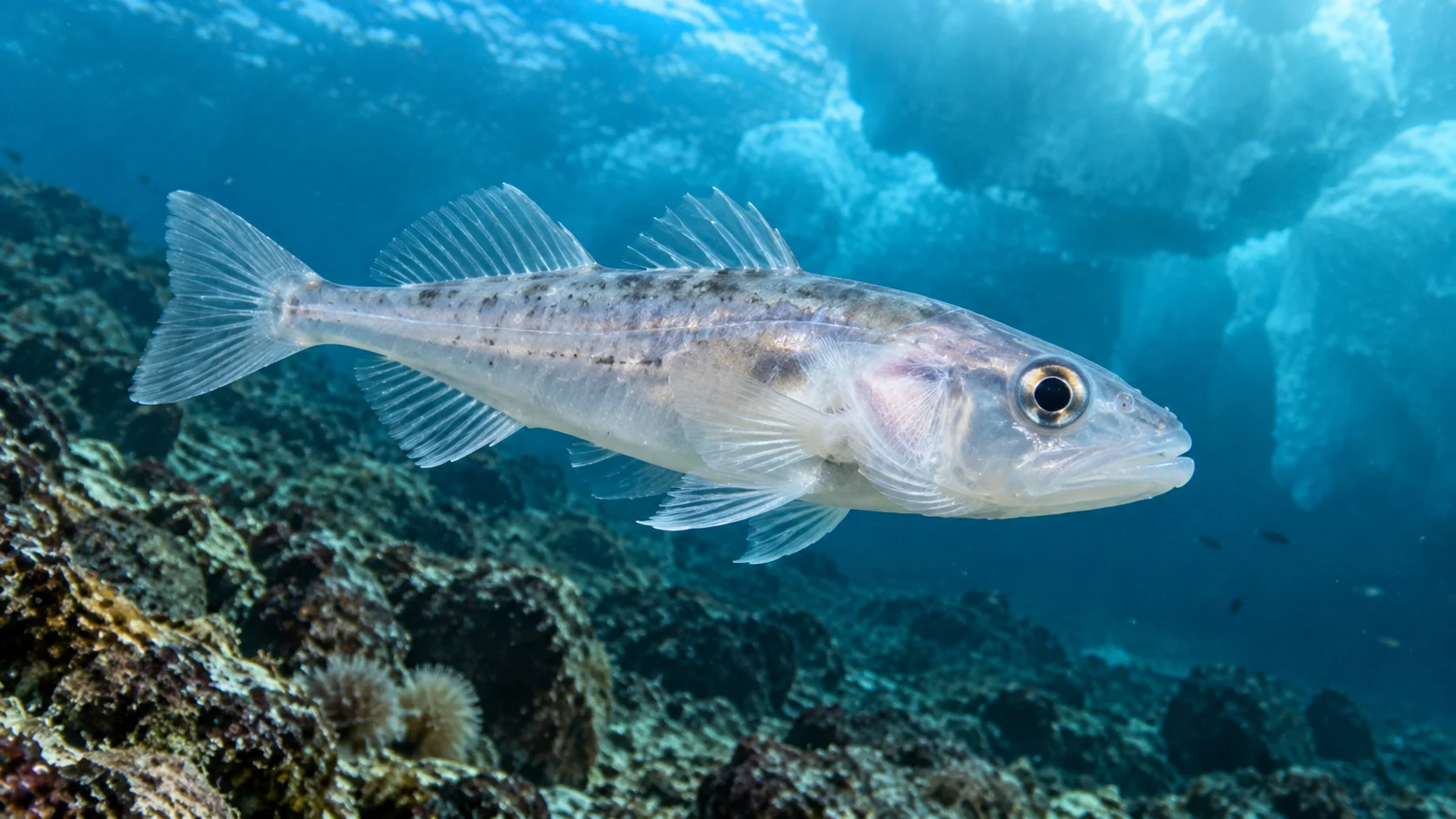
Antarctic Icefish Have Nearly Colorless Blood Because They Lost Hemoglobin
Antarctic icefish are the only known vertebrates to completely lose hemoglobin, leaving them with pale blood and a radically reworked circulatory system.