Author: Jason Mitchell
-
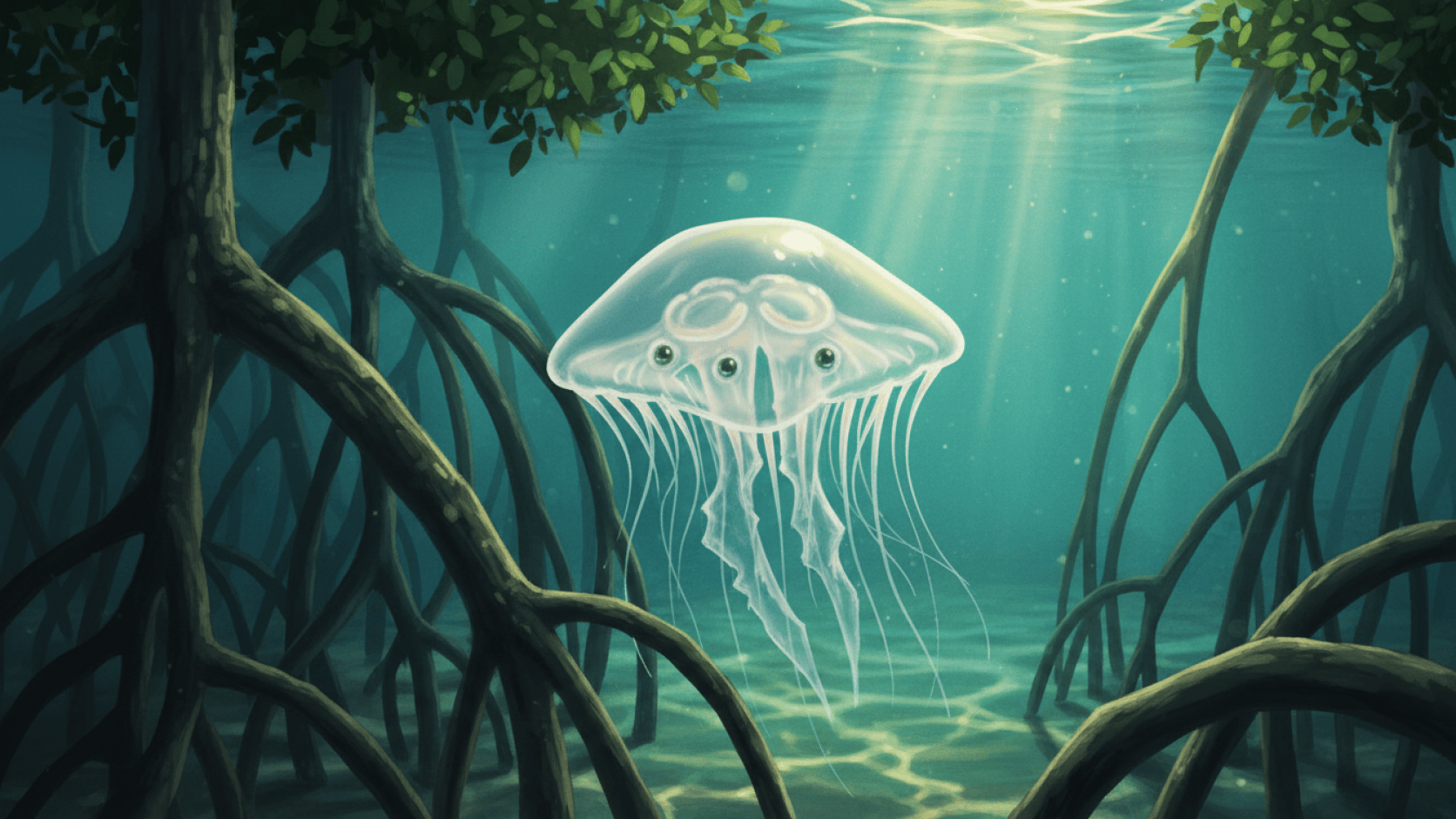
Box Jellyfish Can Learn to Dodge Obstacles Without a Brain
Researchers trained Caribbean box jellyfish to avoid collisions. The animals learned from visual cues and bumps without a centralized brain.
-
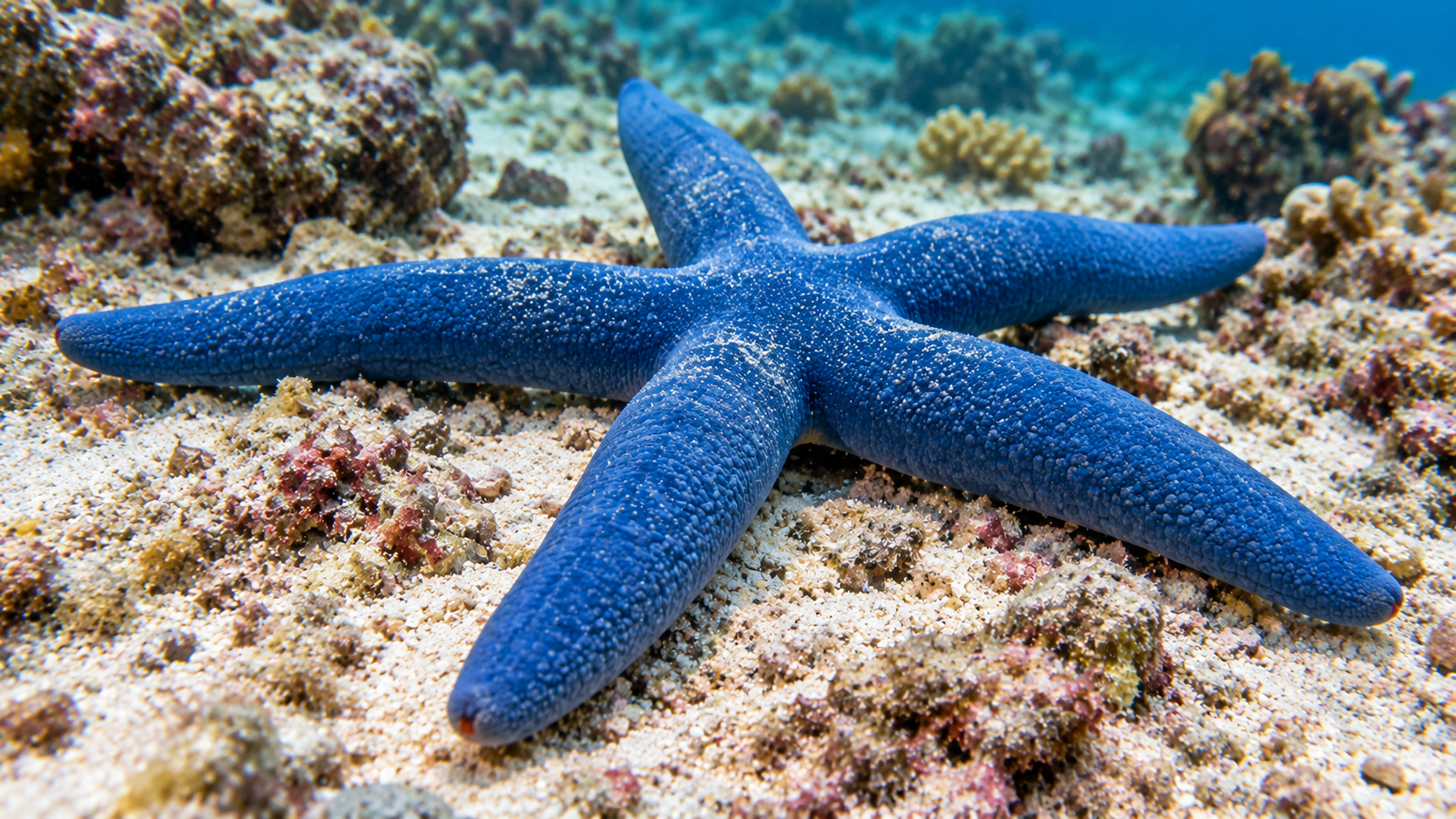
Starfish Have Eyes at the Tips of Their Arms
Most known starfish species have small eyespots at their arm tips. Experiments showed that blue sea stars can use low-resolution vision to find their reef.
-
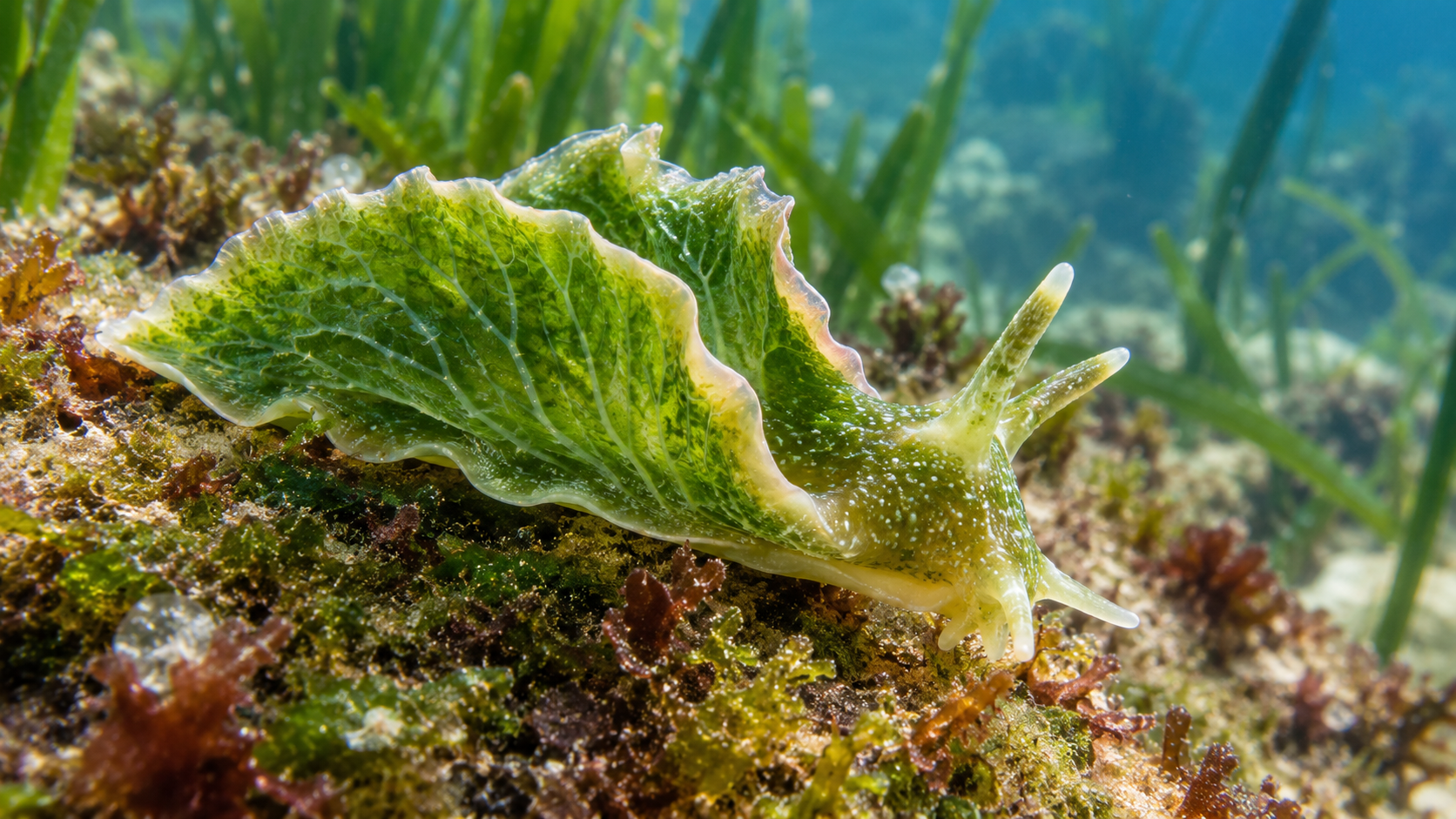
Some Sea Slugs Shed Their Bodies and Grow New Ones From the Head
Two sacoglossan sea slug species can shed the main body—including the heart—and regenerate a new body from the surviving head.
-
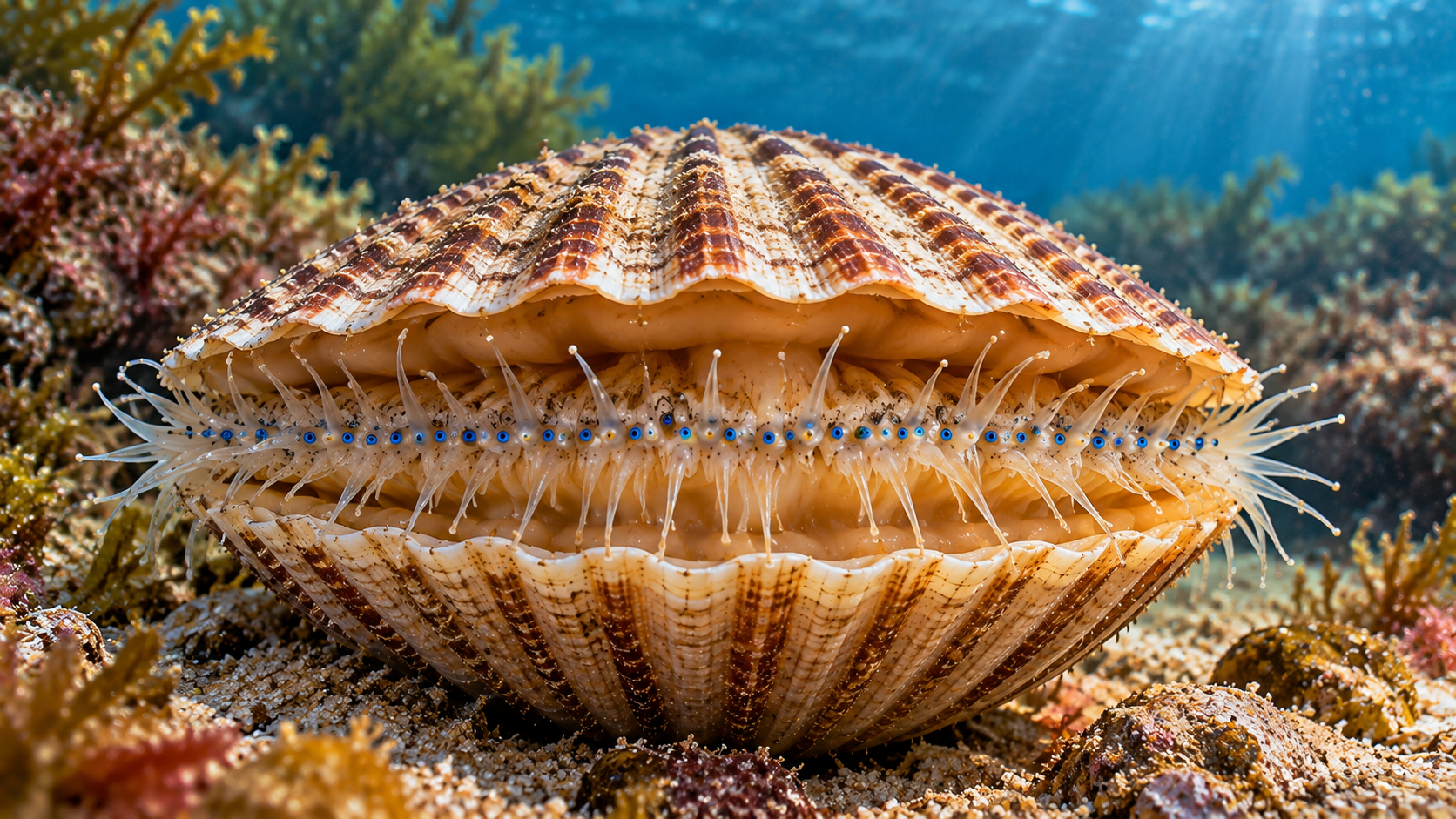
Scallops Have Up to 200 Eyes—and Their Eyes Use Mirrors
Scallops can carry up to 200 tiny blue eyes along the edge of their mantle. Instead of focusing light like our eyes, each eye uses a…
-
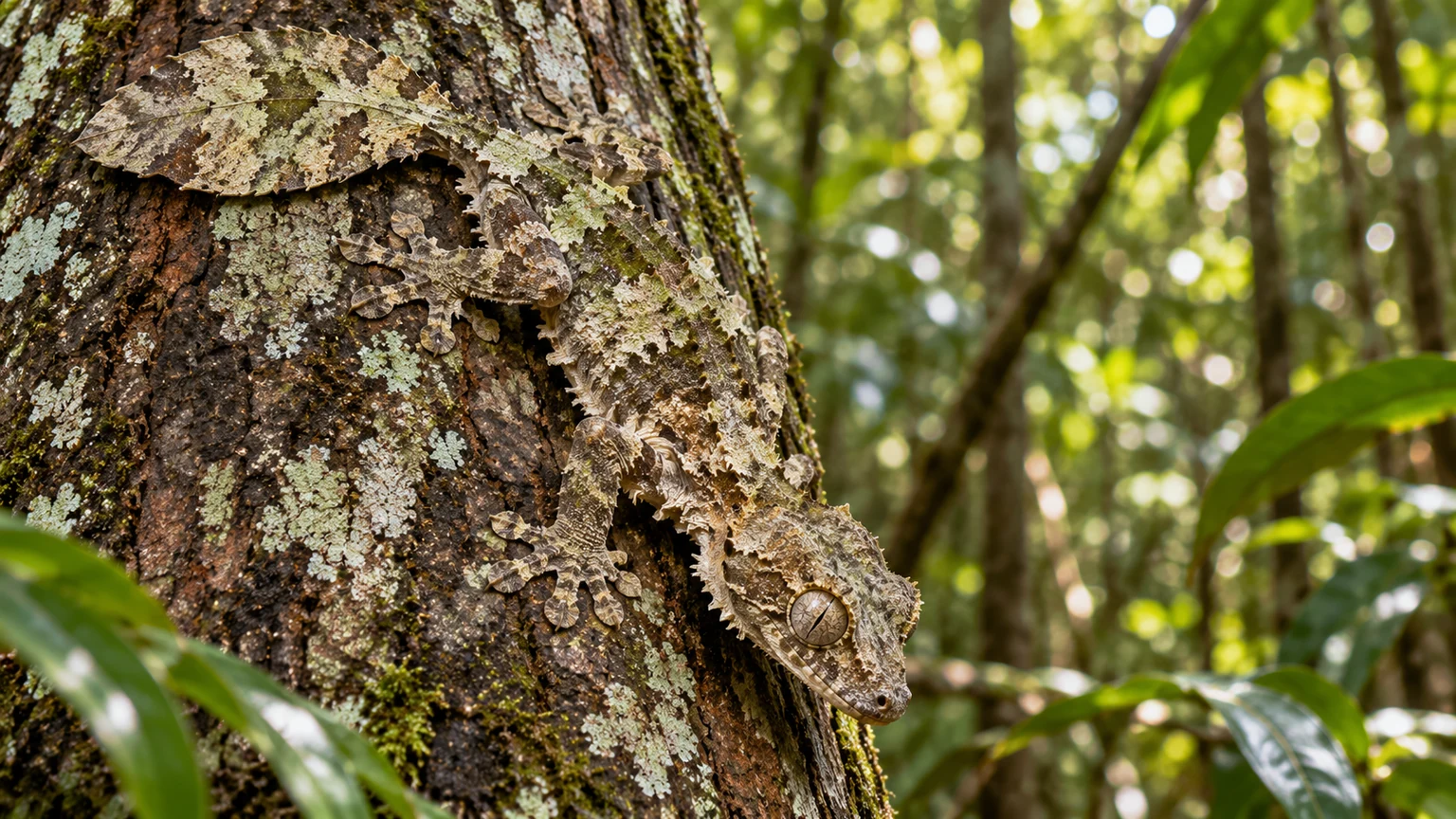
Leaf-Tailed Geckos Can Disappear Against Tree Bark
Some Madagascar leaf-tailed geckos hide against bark by flattening their bodies, blurring their edges and matching lichen. Here’s how it works.
-
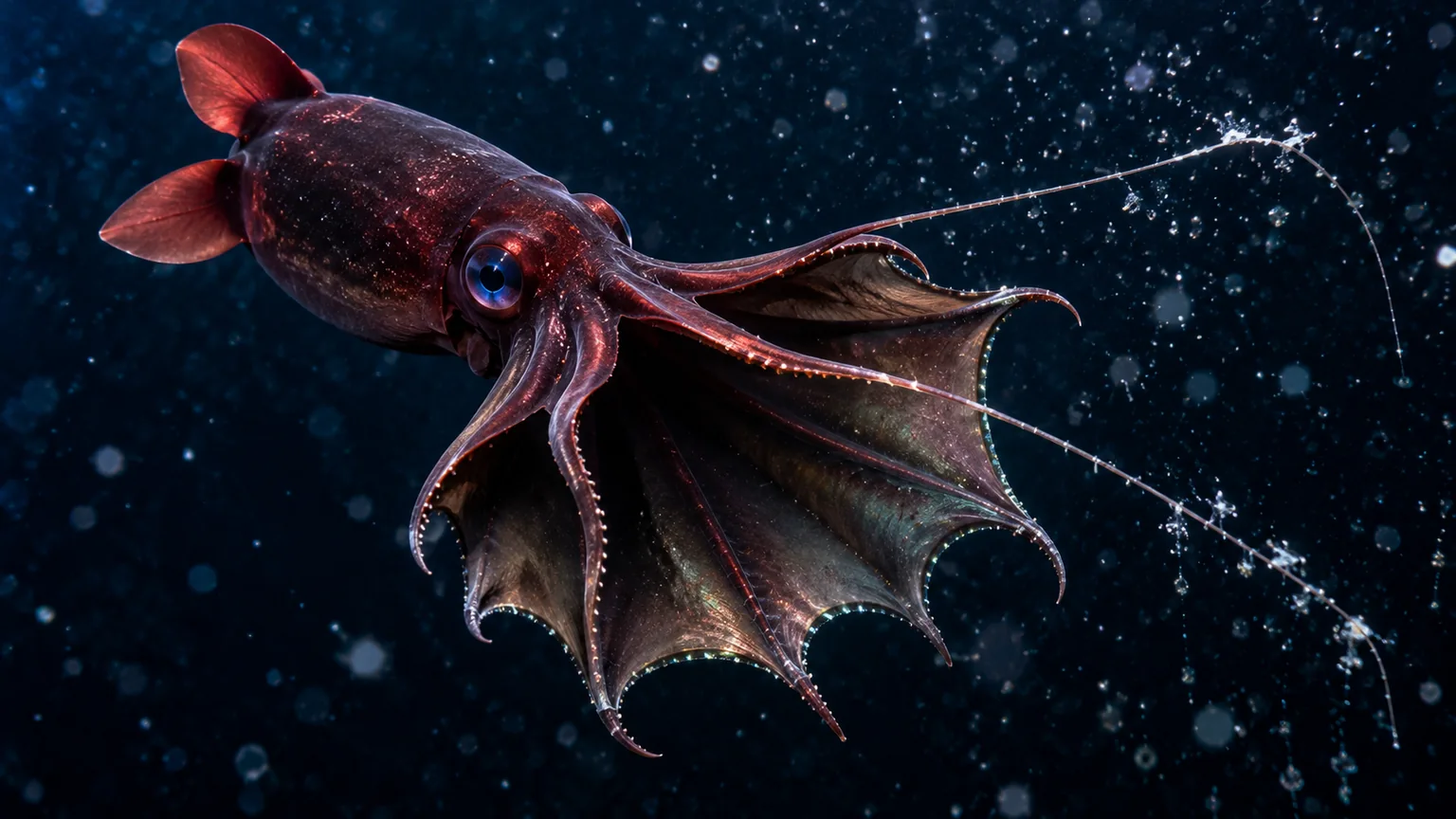
Vampire Squid Are Neither Vampires Nor True Squid
The vampire squid doesn’t drink blood or hunt like a true squid. Instead it collects marine snow with sticky feeding filaments in the oxygen-poor deep.
-
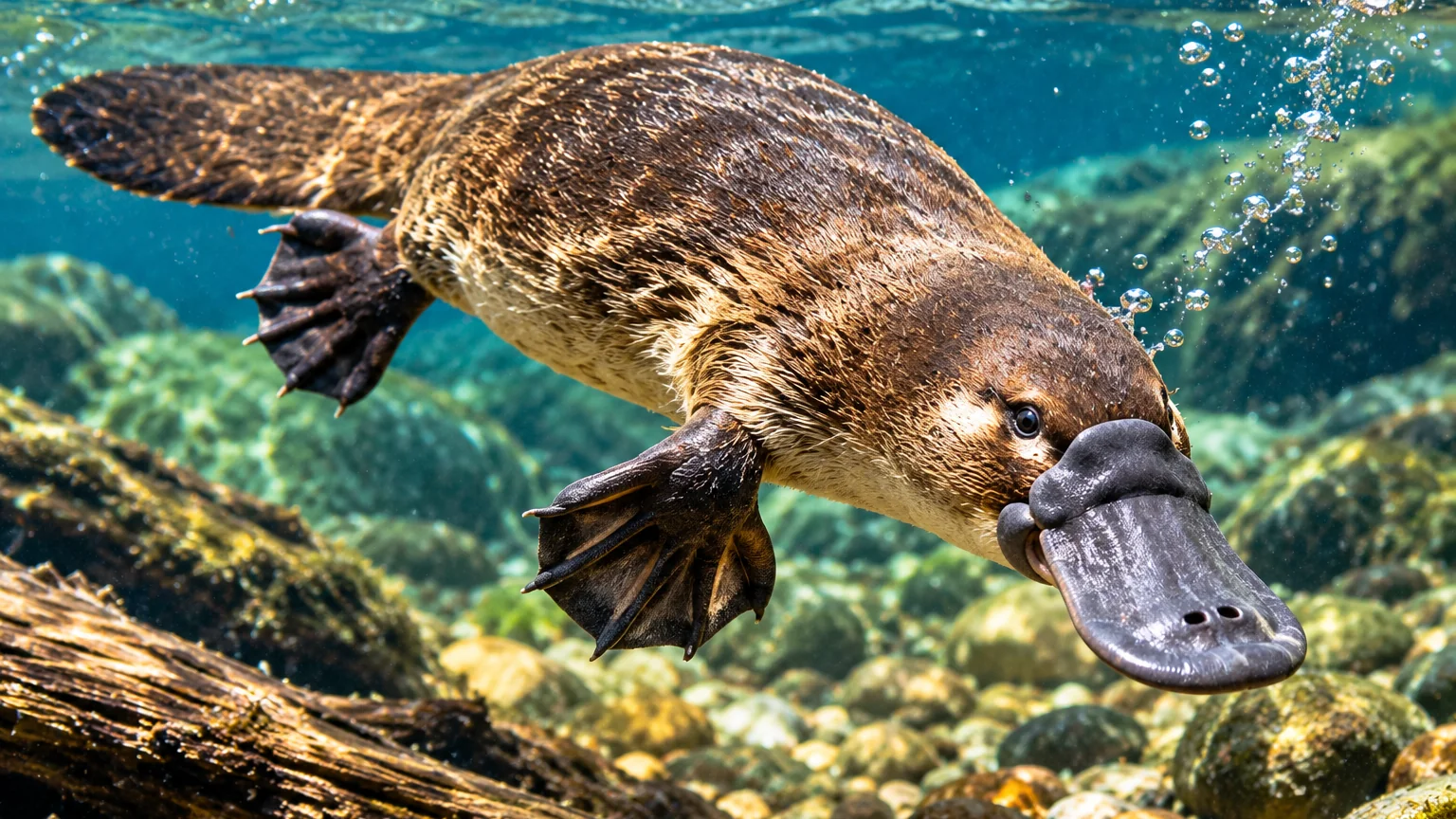
Platypuses Hunt With Their Eyes Closed. The Bill Does the Searching.
Platypuses close their eyes, ears and nostrils while diving, relying on sensory receptors in their bills to locate underwater prey.
-
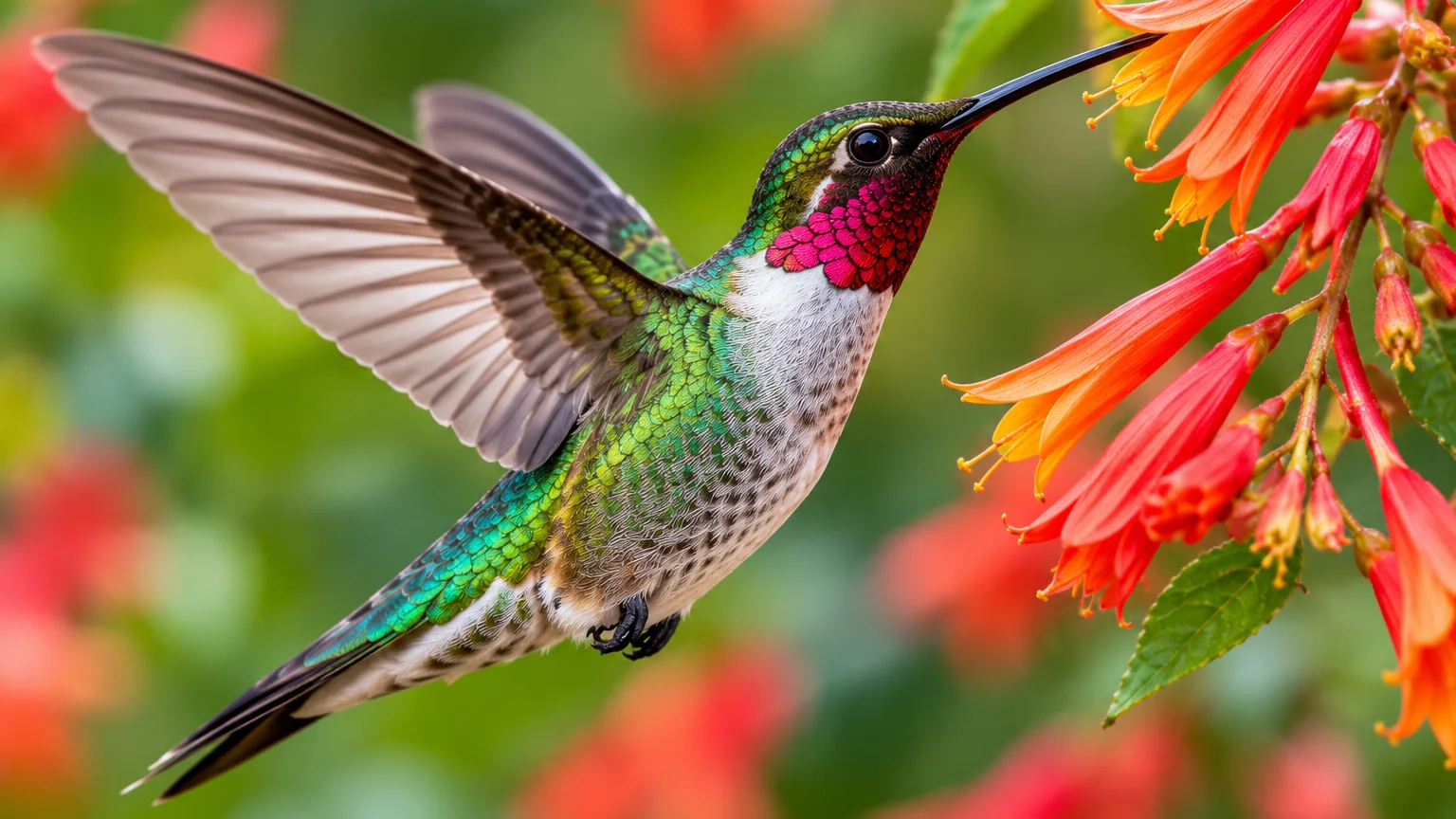
Hummingbirds Can Fly Backward. Their Wings Do More Than Flap.
Hummingbirds can hover, fly sideways and backward by changing their wing movements. That aerial control helps them feed at flowers.
-
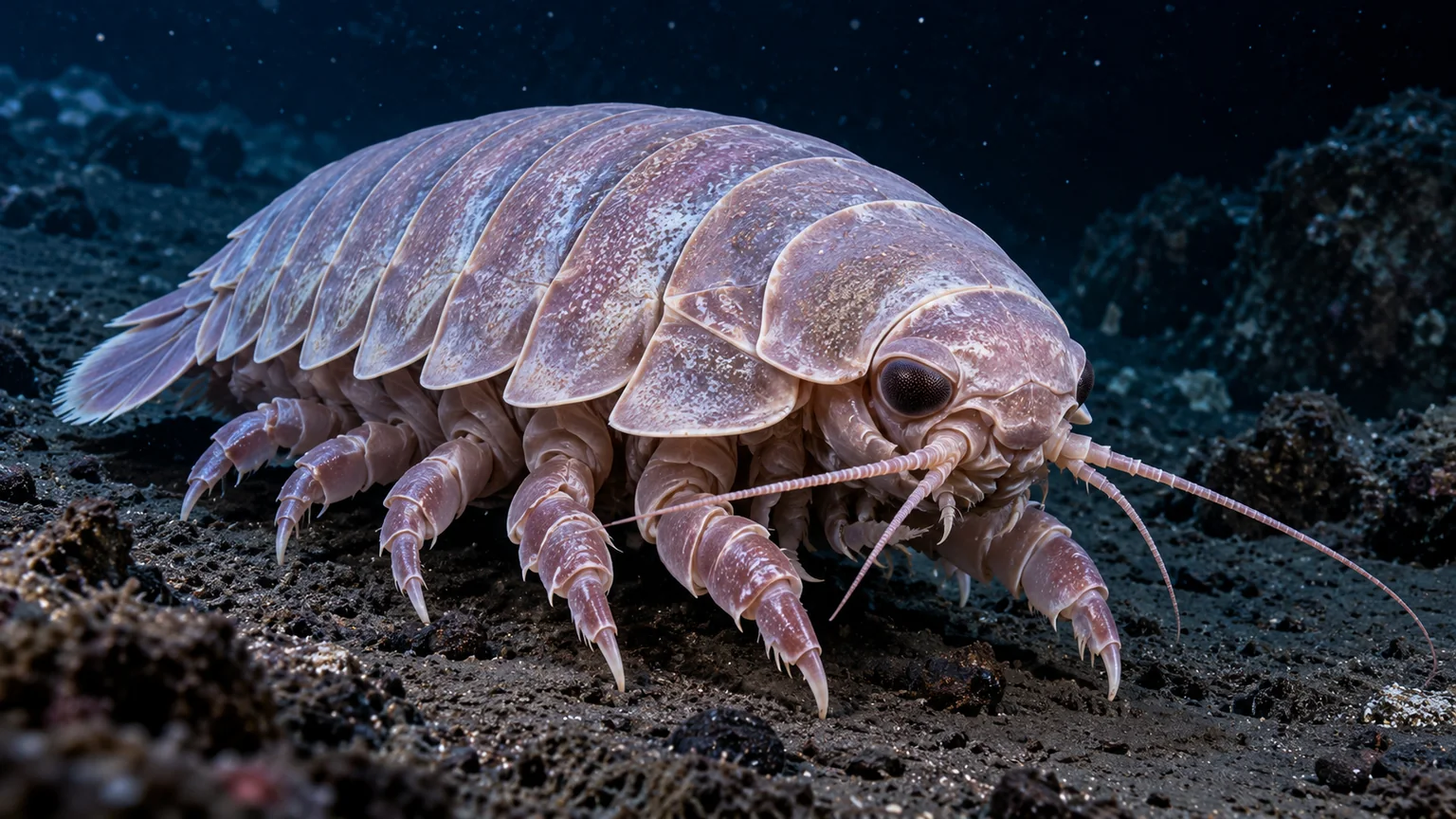
Giant Deep-Sea Isopods Can Go Remarkably Long Without Eating
A giant deep-sea isopod reportedly survived five years without eating in captivity. Here’s how these armored scavengers cope with life between meals.
-
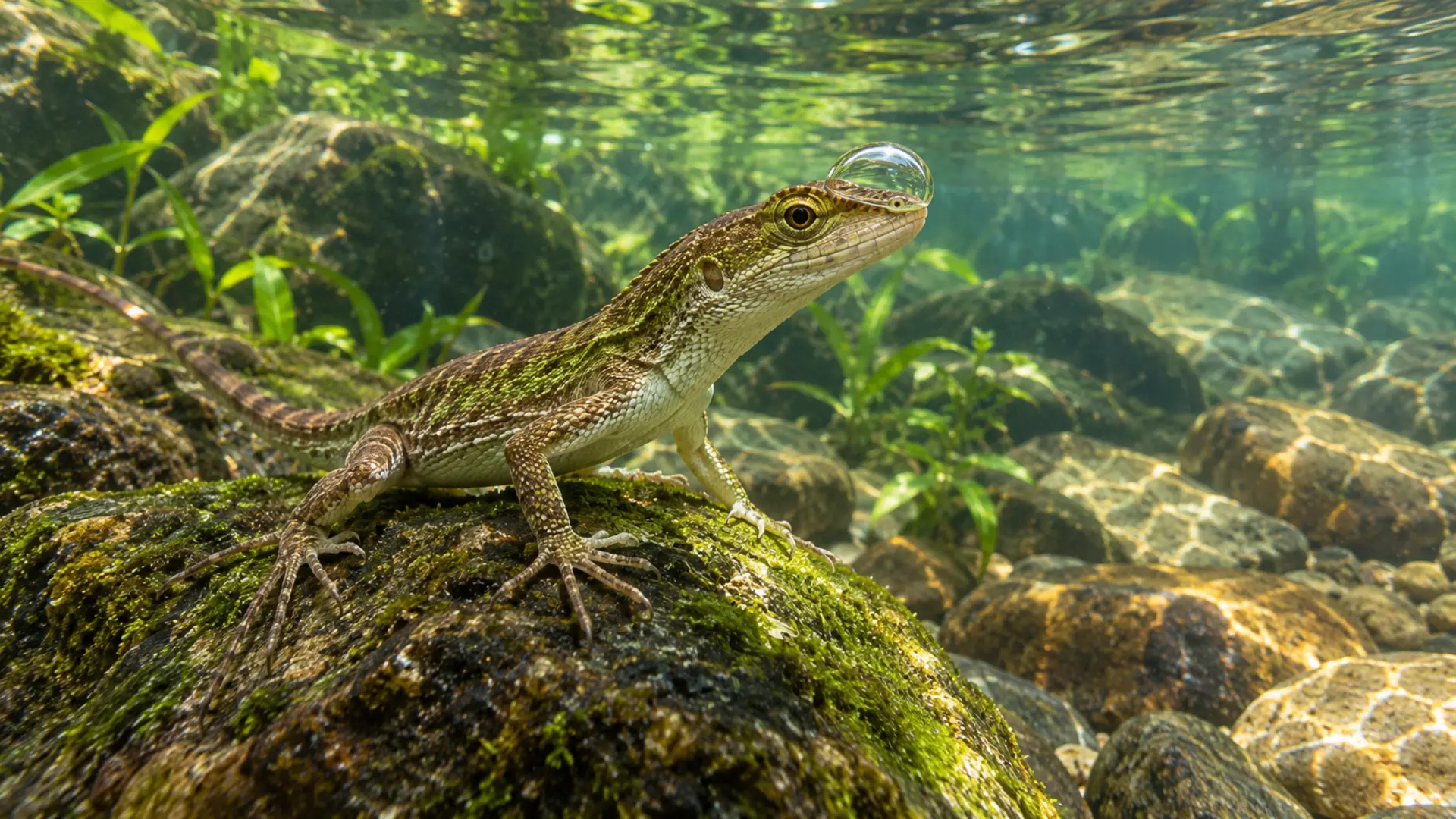
This Lizard Breathes From a Bubble on Its Nose
A Costa Rican water anole rebreathes an air bubble over its nose. An experiment found normal bubble use extended average dive time by about 32%.