Latest stories
-

Mercury Has Water Ice in Craters That Never See the Sun
Mercury is closest to the Sun, but permanently shadowed craters near its poles are cold enough to preserve water ice. NASA’s MESSENGER mission helped reveal why.
-
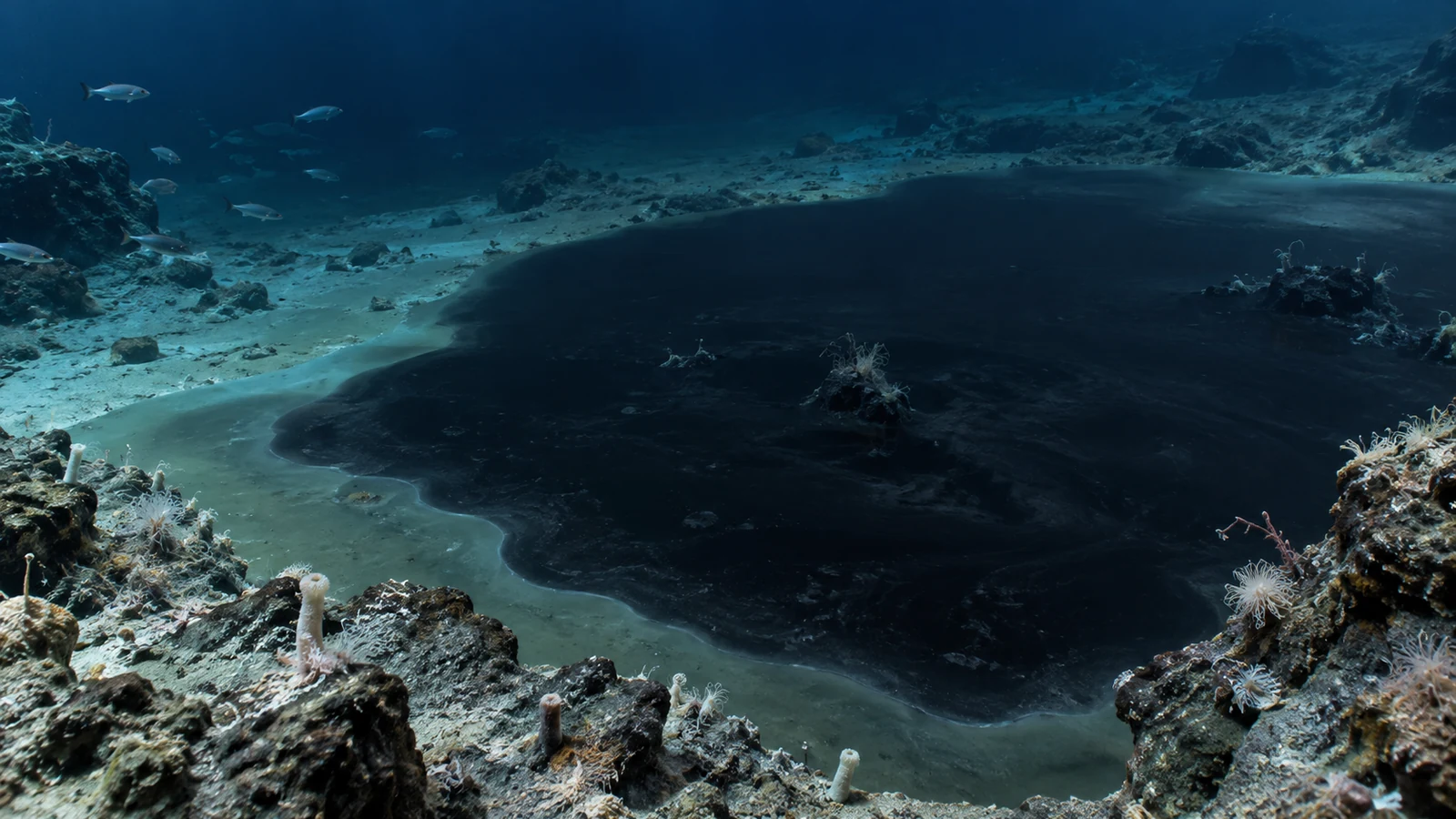
The Ocean Has Lakes of Its Own. Some Are Deadly to Fish.
Dense brine can collect in deep-sea depressions and form eerie underwater lakes. Some are dangerous to fish, while microbes thrive along the boundary.
-
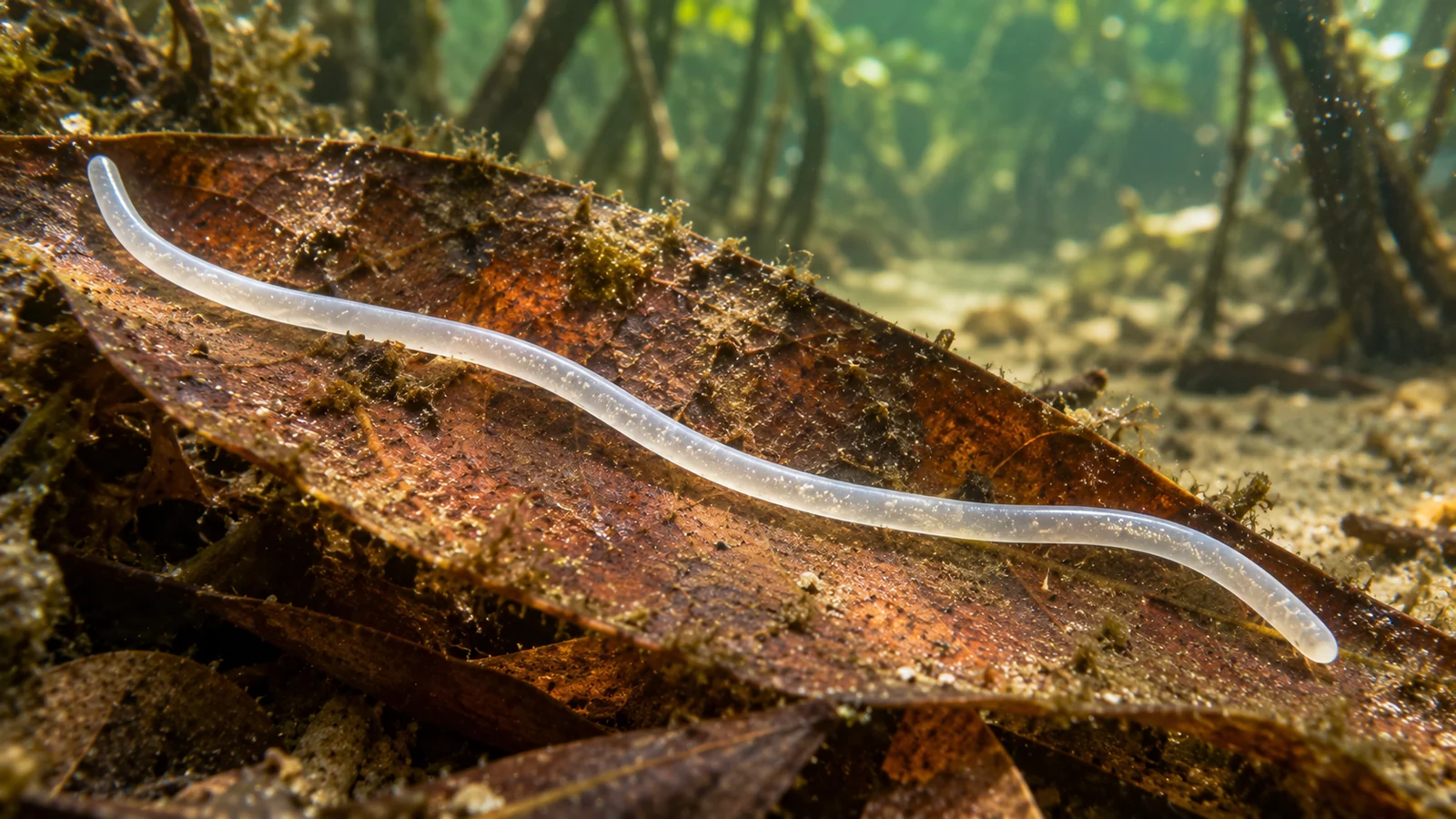
A Bacterium So Big You Can See It Without a Microscope
A single bacterium in Caribbean mangroves can grow to about a centimeter long, and some reach even farther. Scientists found its cell structure just as surprising.
-

Earth’s Largest Waterfall Is Hidden Beneath the Ocean Near Greenland
The world’s largest waterfall is hidden beneath the sea between Greenland and Iceland. The Denmark Strait cataract is driven by cold, dense water spilling downslope.
-

The Vasa Warship Sank About 20 Minutes Into Its First Voyage
The Swedish warship Vasa sank during its maiden voyage in 1628. An unstable design, open gunports, and a gust of wind left it underwater for 333…
-
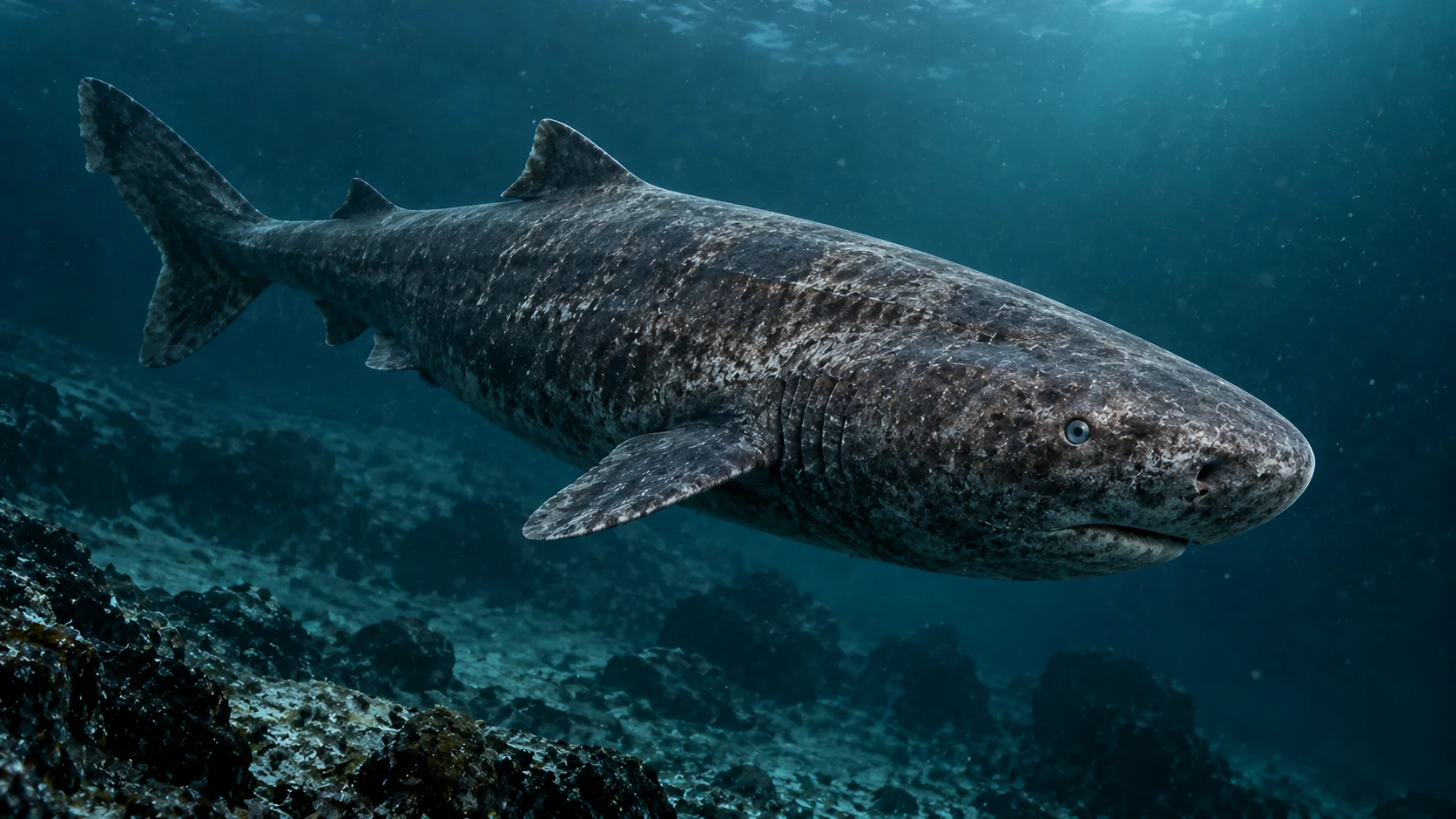
Greenland Sharks May Live 400 Years. Their Eyes Hold the Clue.
Greenland sharks may survive for centuries. Scientists used eye-lens radiocarbon to estimate one shark at 392 years, but the range is surprisingly wide.
-
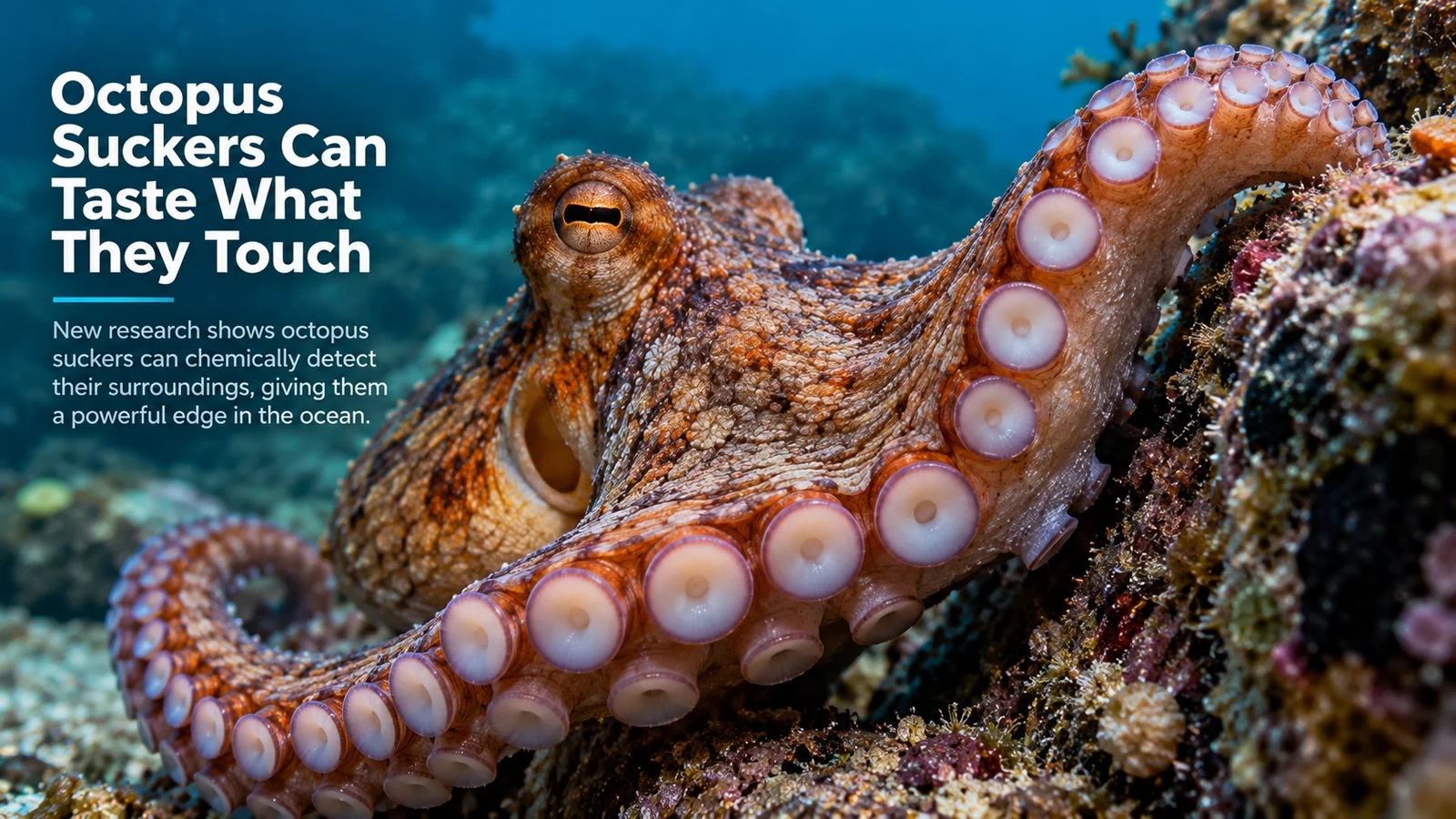
Octopuses Can Taste What They Touch With Their Suckers
Octopus suckers are more than suction cups. Specialized cells help their arms detect chemical signals from the things they touch.
-
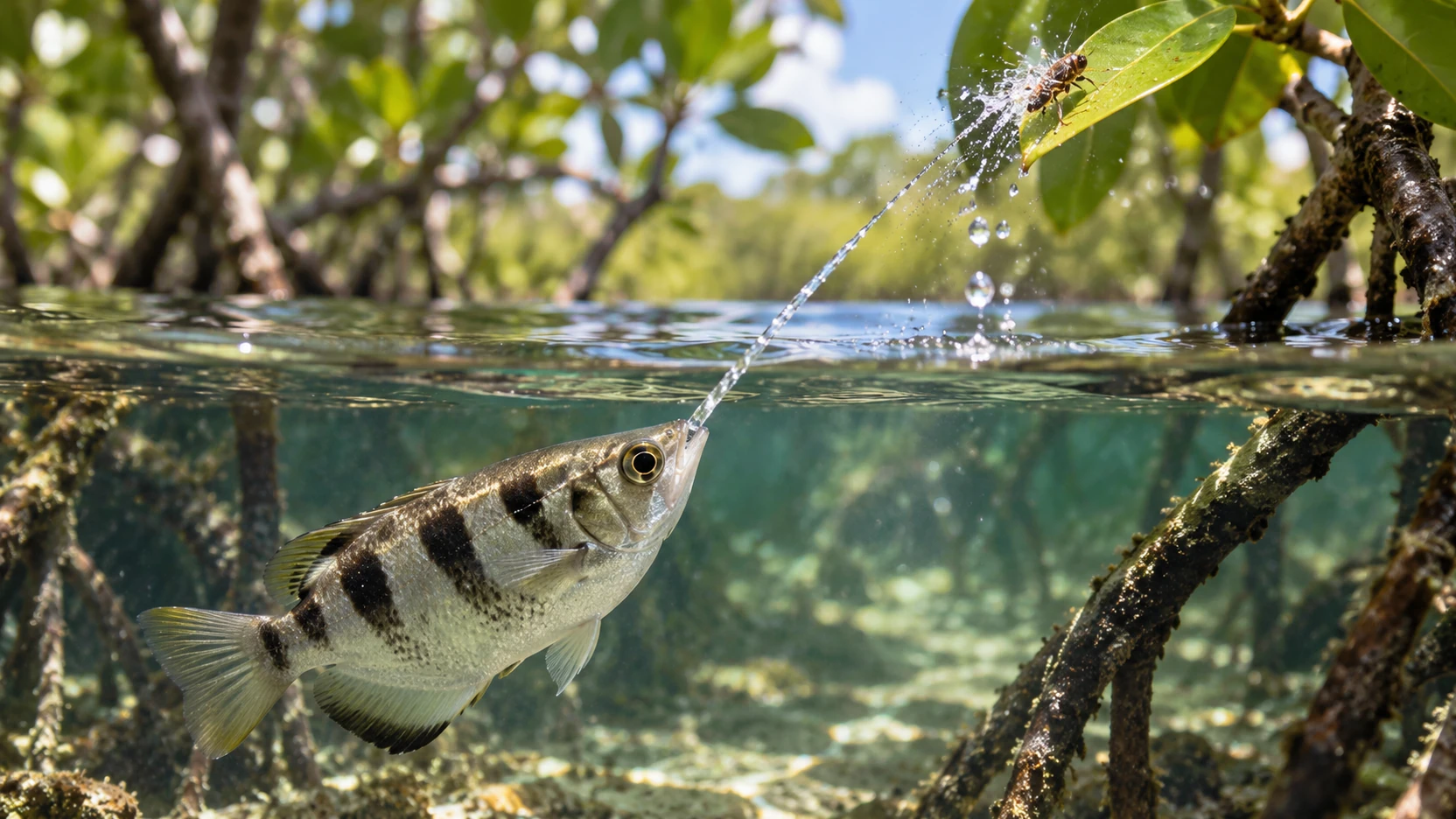
Archerfish Shoot Down Insects With Water. They Can Learn to Hit Moving Targets, Too.
Archerfish fire carefully aimed jets of water at insects above the surface, and experiments show they can learn to hit moving targets.
-

Dolphins Sleep With Half Their Brain Awake. One Eye Can Stay Open, Too.
Dolphins take turns resting one brain hemisphere while remaining able to surface and breathe. Sleeping with one eye open is real, but not quite a foolproof…
-
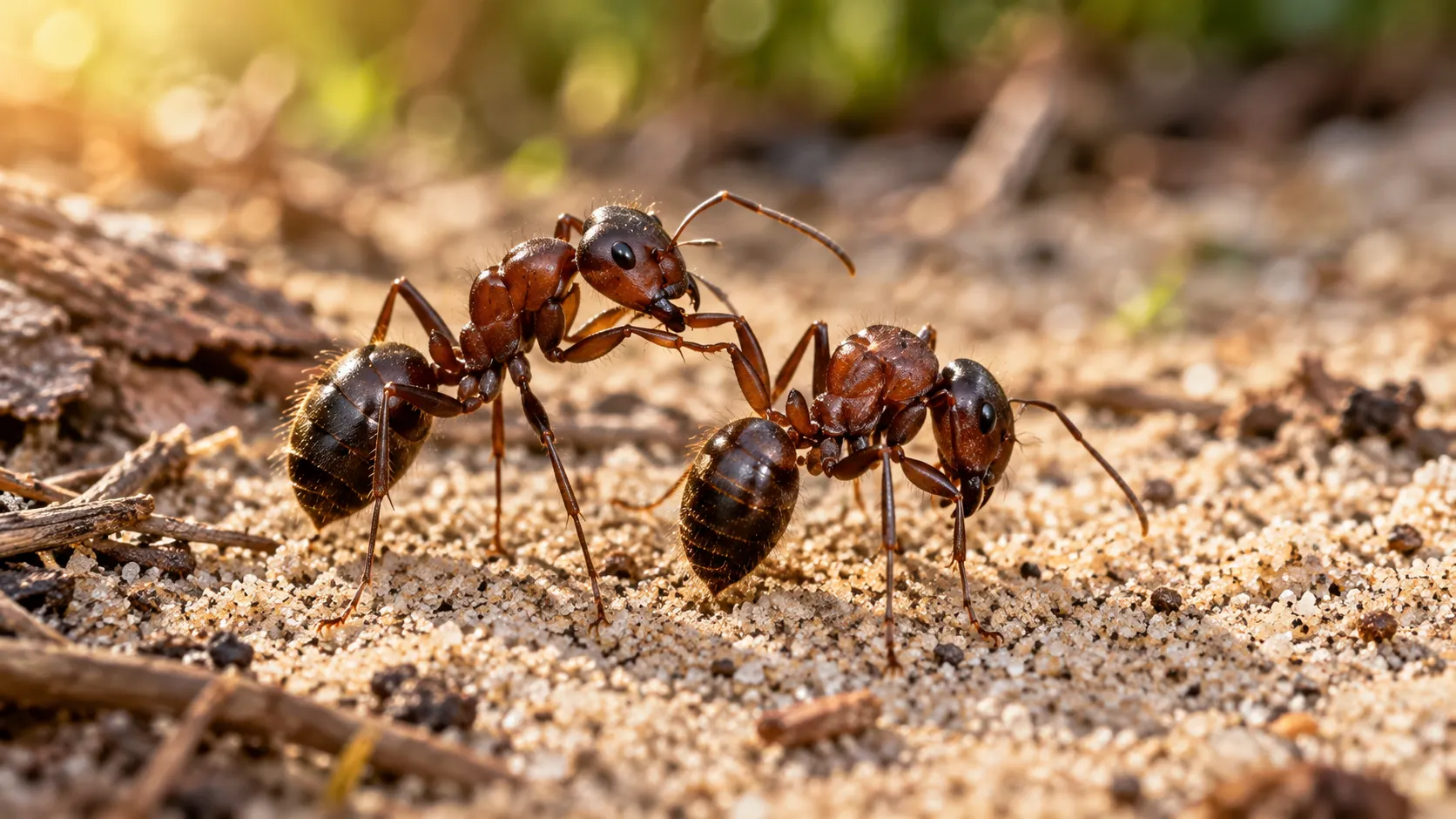
Ants Amputate Injured Nestmates’ Legs. The Weird Part? It Can Save Them.
Florida carpenter ants treat wounded nestmates by cleaning injuries—and sometimes amputating a leg. The choice depends on where the injury is.