
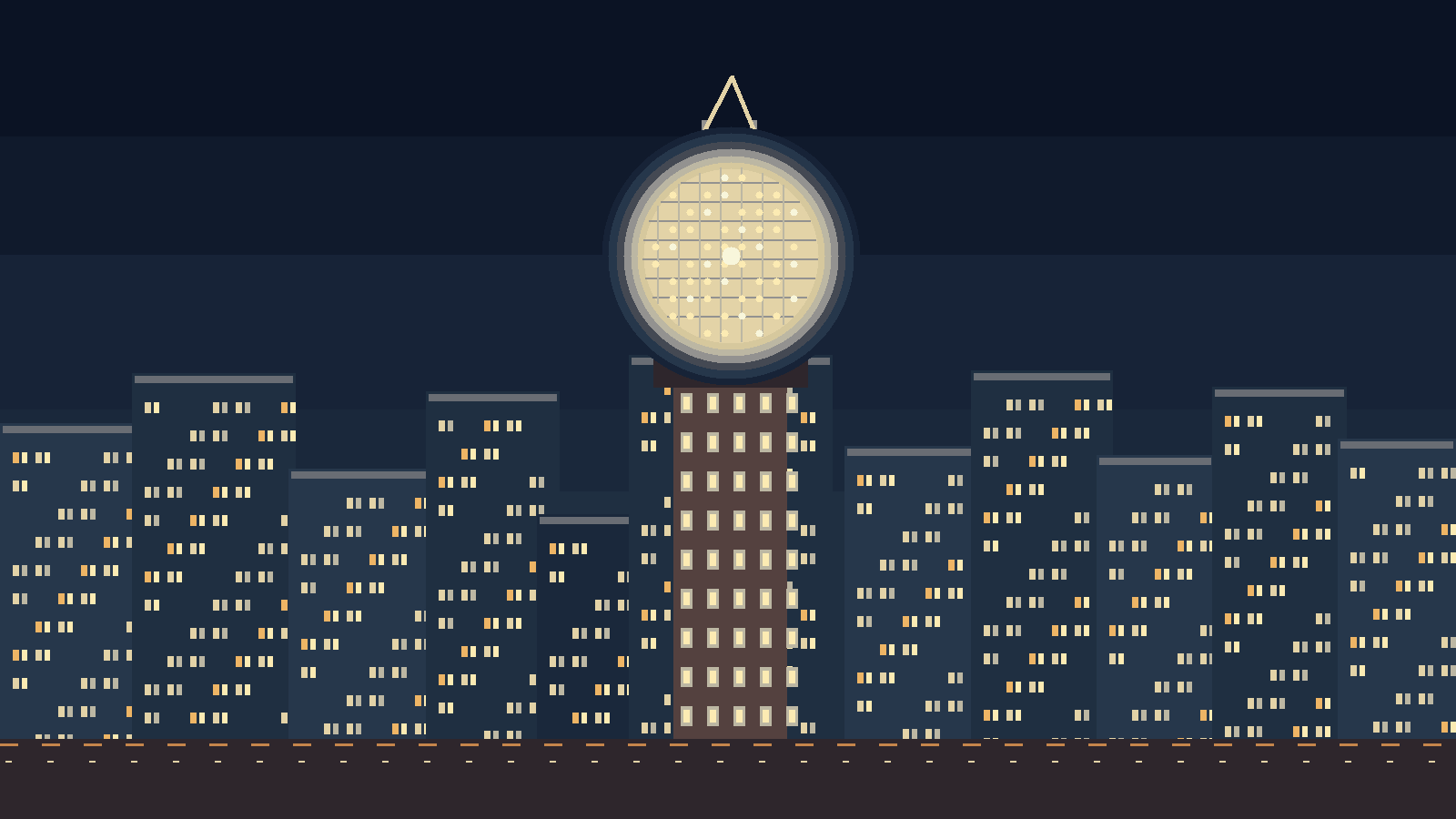
Times Square’s famous New Year’s Eve ball drop began because an earlier New York celebration had a problem: fireworks. The party was popular, but sparks and hot debris were a poor match for a crowd packed into city streets. By the end of 1907, organizers needed a different spectacle. The solution was a glowing ball lowered from a roof. Somehow, that has now outlived countless sensible ideas.
The important date is December 31, 1907. The ball descended to welcome 1908. Times Square’s New Year’s Eve festivities had started three years earlier, but the ball was not part of that first party.
Before the ball, there were fireworks
Adolph Ochs, publisher of The New York Times, wanted to draw attention to the newspaper’s new headquarters at One Times Square. The first big celebration, on December 31, 1904, included a street festival and fireworks. According to the Times Square Alliance’s official history, the event helped establish the area as a New Year’s Eve gathering place.
Fireworks were a spectacular way to advertise a new building. They were less ideal for people standing underneath the falling debris. After the city banned the fireworks display, Ochs still wanted a midnight show. Canceling New Year’s Eve was apparently not on the marketing calendar.
Why drop a ball instead of lighting a clock?
The idea had older roots than Times Square. Time balls were visible signals used at ports and observatories so people, including ship crews, could set their clocks accurately. An object dropping at a known moment was easier to spot from a distance than a tiny clock face. NOAA’s history of the first Times Square drop notes the connection to the time ball at the Royal Observatory in Greenwich.
Times Square borrowed the theatrical part of the mechanism. Rather than quietly announcing the time for a ship’s chronometer, it would make an entire crowd watch the same seconds tick away. If you were inventing a public countdown, a big glowing object moving toward the roof was a remarkably effective way to do it.
The first ball had 100 light bulbs
The 1907 ball was made of wood and iron, measured five feet across, and weighed about 700 pounds. It carried 100 electric bulbs, each rated at 25 watts. The official Times Square history credits young metalworker Jacob Starr with building it; the company he founded, Artkraft Strauss, would handle the ceremony for much of the twentieth century.
At midnight, the ball reached the end of its descent, signaling the arrival of 1908. Nearby restaurants even gave waiters battery-powered hats spelling out the new year in little lights. Apparently the ball alone did not provide quite enough electricity-themed celebration.
The crowd was not exactly enjoying beach weather. NOAA’s account of December 31, 1907 records a low of 35°F and west winds around 20 mph as the ball descended. Those glowing bulbs had to compete with an extremely New York December night.
These are figures for the original ball, not for the many different illuminated designs that followed. In November 2025, organizers unveiled the ninth design, called the Constellation Ball: 12.5 feet across, weighing 12,350 pounds and decorated with 5,280 crystals. The event has repeatedly updated its technology, even as it has kept the basic idea: an object descends, a crowd counts, and everyone agrees that a new calendar year has arrived.
The ball did not drop every single year
There is a notable exception to the familiar annual ritual. The drop was suspended for the wartime light restrictions at the end of 1942 and 1943. According to the Times Square Alliance’s official historical account, crowds gathered anyway, marking midnight with a moment of silence and chimes rather than an illuminated descent.
The equipment changed long before the crystal era. The Times Square Alliance’s historical timeline records a 400-pound wrought-iron replacement in 1920, then a 150-pound aluminum ball in 1955. That is quite a weight-loss program for something hanging over a New Year’s Eve crowd. There is no need to pretend its modern technology is the same equipment that was hauled up in 1907. The continuity is the public ritual, not a single immortal decoration.
The tradition was an advertising stunt that stuck
What began as promotion for a newspaper building became one of New York City’s most recognizable annual moments. The joke is that the idea was practical, too: a shared visual cue for midnight, without exploding anything over the spectators.
And all because the original fireworks plan stopped being a great idea. Sometimes a century-old tradition is just the replacement plan that worked.
For another holiday image that somehow became an American fixture, BiggleBit has the story behind the little red truck carrying a Christmas tree. Not every tradition needs fireworks to stick.