
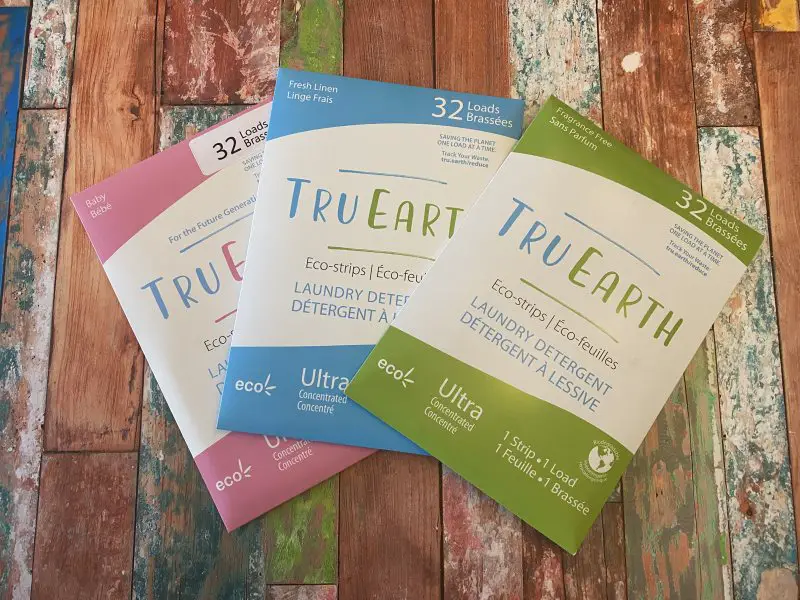
The short answer: Laundry detergent sheets are compact, light and easy to store. They also tend to clean worse than good liquid detergents and pods. That is the boring but useful reason every detergent company did not immediately flatten its product into a little square.

Laundry Detergent Sheets Solve a Real Problem: The Jug Is Annoying
There is something deeply stupid about buying a giant plastic bottle full of heavy liquid so you can carry it home, store it, drip some of it down the side and eventually throw the bottle away.
Laundry sheets attack that problem beautifully.
They are light. They are compact. They are pre-measured. They fit in small spaces. They are easy to pack if you need detergent while traveling.
That part is not marketing magic. A small envelope-sized package is simply easier to carry than a detergent jug that feels like it contains a bowling ball in syrup.
So Why Isn’t All Laundry Detergent a Sheet?
Because the detergent still has to perform the minor secondary task of cleaning clothes.
Consumer Reports’ 2026 detergent testing found laundry sheets as a category performed poorly compared with liquids and pods. CR specifically put Tru Earth Eco Strips among its worst-performing detergents for stain removal.
That does not mean a sheet cannot handle your lightly worn T-shirt.
It means “small package” and “best cleaner” are not automatically the same product.
Tru Earth Is Convenient. Convenience Is a Real Feature.
Tru Earth’s current instructions are wonderfully simple: tear off a strip and put it in the washer or detergent dispenser, depending on the machine.
No measuring cup. No cap with mysterious numbered lines. No moment where you accidentally pour enough detergent for a minor hotel.
For people with limited storage, people carrying laundry up and down stairs, or travelers who do not want to transport liquid detergent, that convenience can matter more than winning a laboratory stain-removal contest.
Are Laundry Sheets Better for the Environment?
The packaging advantage is easy to understand: a small paperboard-style package can use far less bulky plastic than a traditional liquid-detergent jug, and the product is much lighter to ship.
But “smaller package” should not automatically be translated into “this product saves the planet.”
Environmental impact depends on ingredients, manufacturing, shipping, packaging, how much detergent you use and whether the product cleans well enough that you need to rewash something.
The old article skipped most of that and essentially handed Tru Earth a cape.
I have removed the cape.
The Better Question Is What You Need From Detergent
If your top priorities are tiny storage, low weight and no measuring, strips make a lot of sense.
If your top priority is attacking difficult stains, current independent testing gives strong liquids and pods a major advantage.
Which is annoying, because I would prefer the future where detergent is a stack of index cards.
Apparently stains were not consulted.