Author: Lucas Anderson
-
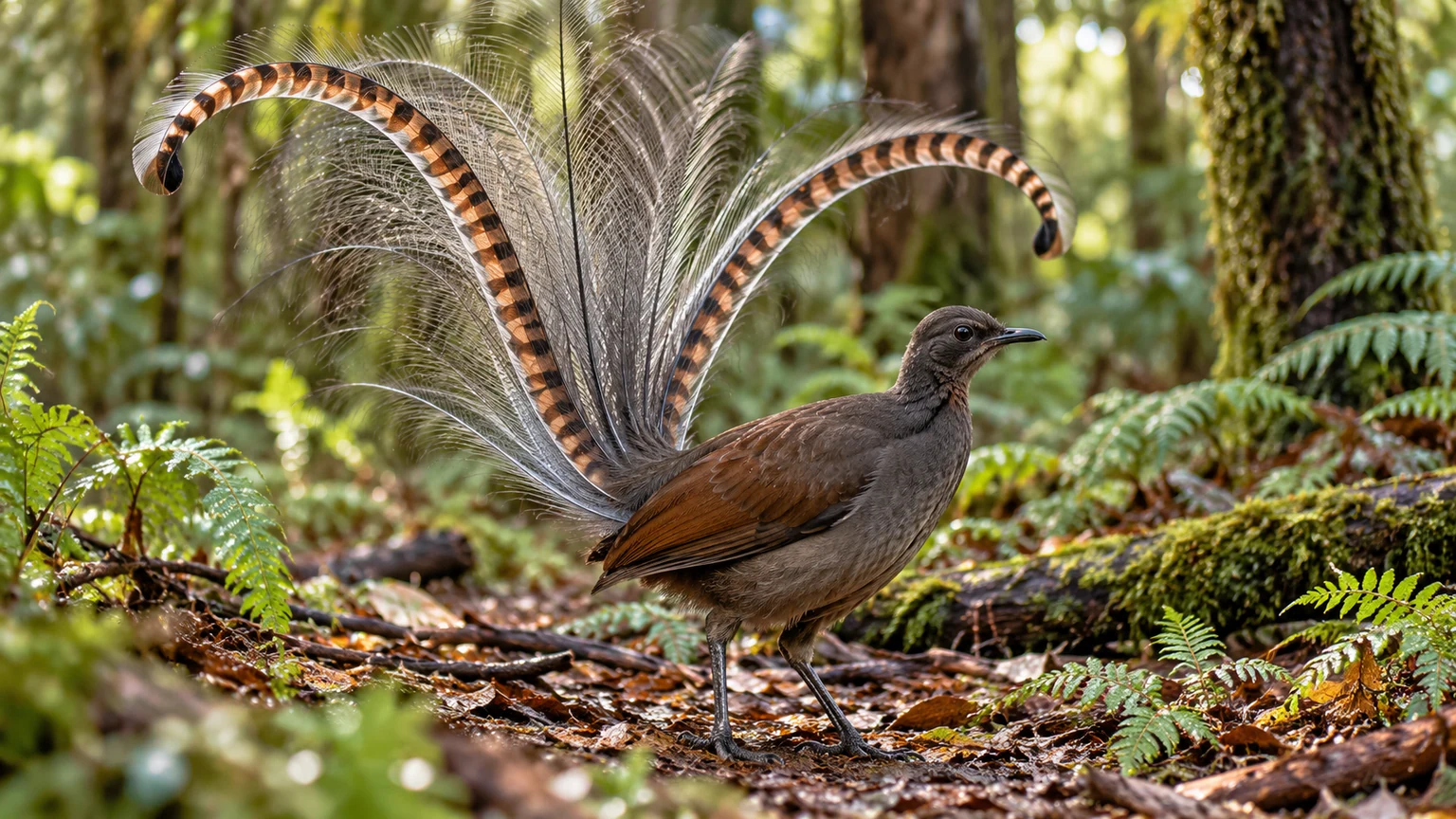
Lyrebirds Can Mimic Chainsaws—but the Famous One Lived in a Zoo
Lyrebirds can mimic chainsaws, but the famous recording featured captive birds. In the wild, their best-documented impressions are other birds.
-
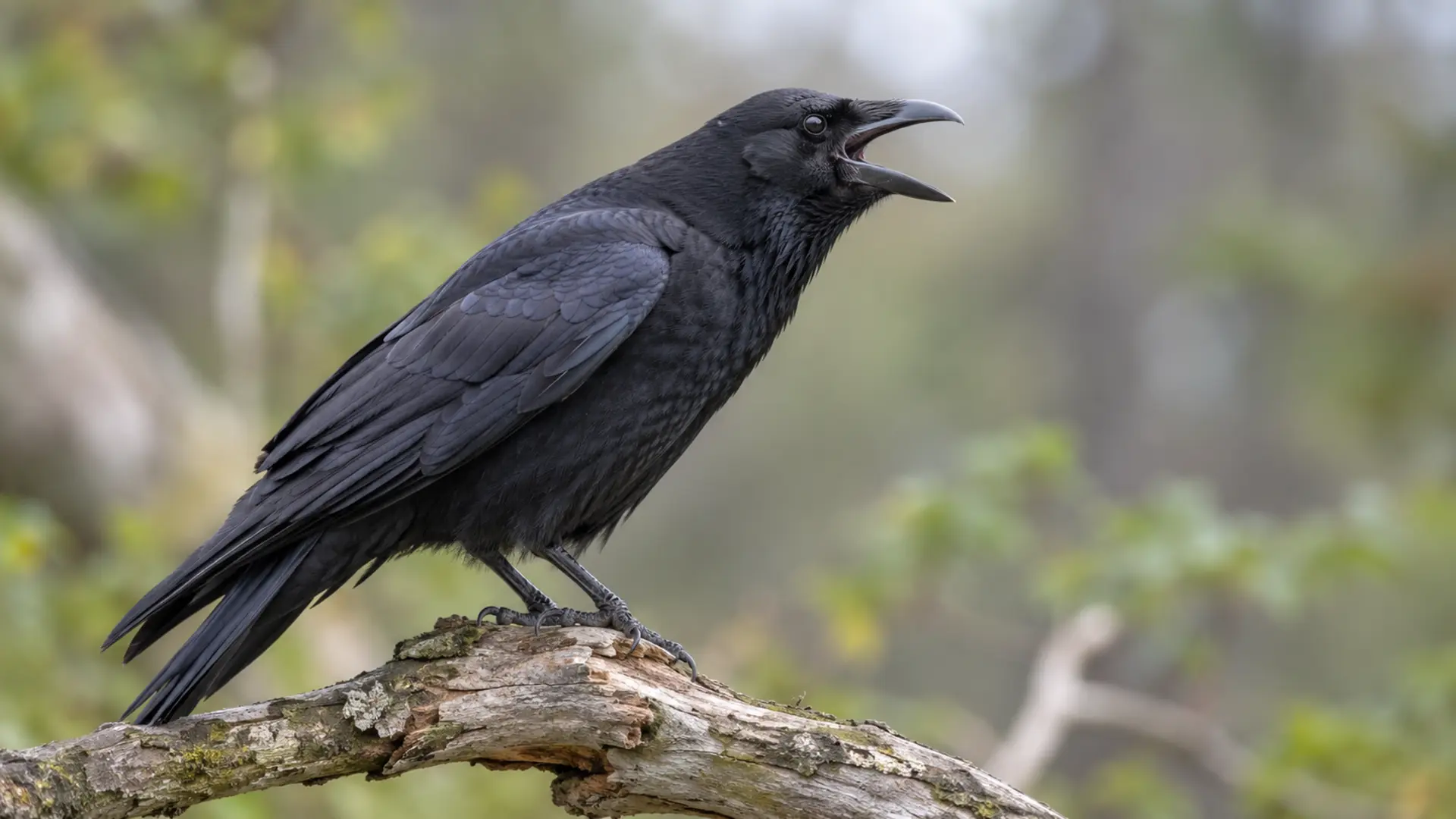
Crows Can Count Their Own Calls—Up to Four
Three carrion crows learned to produce one to four calls after visual or sound cues. Their first caw revealed that they had planned the sequence.
-
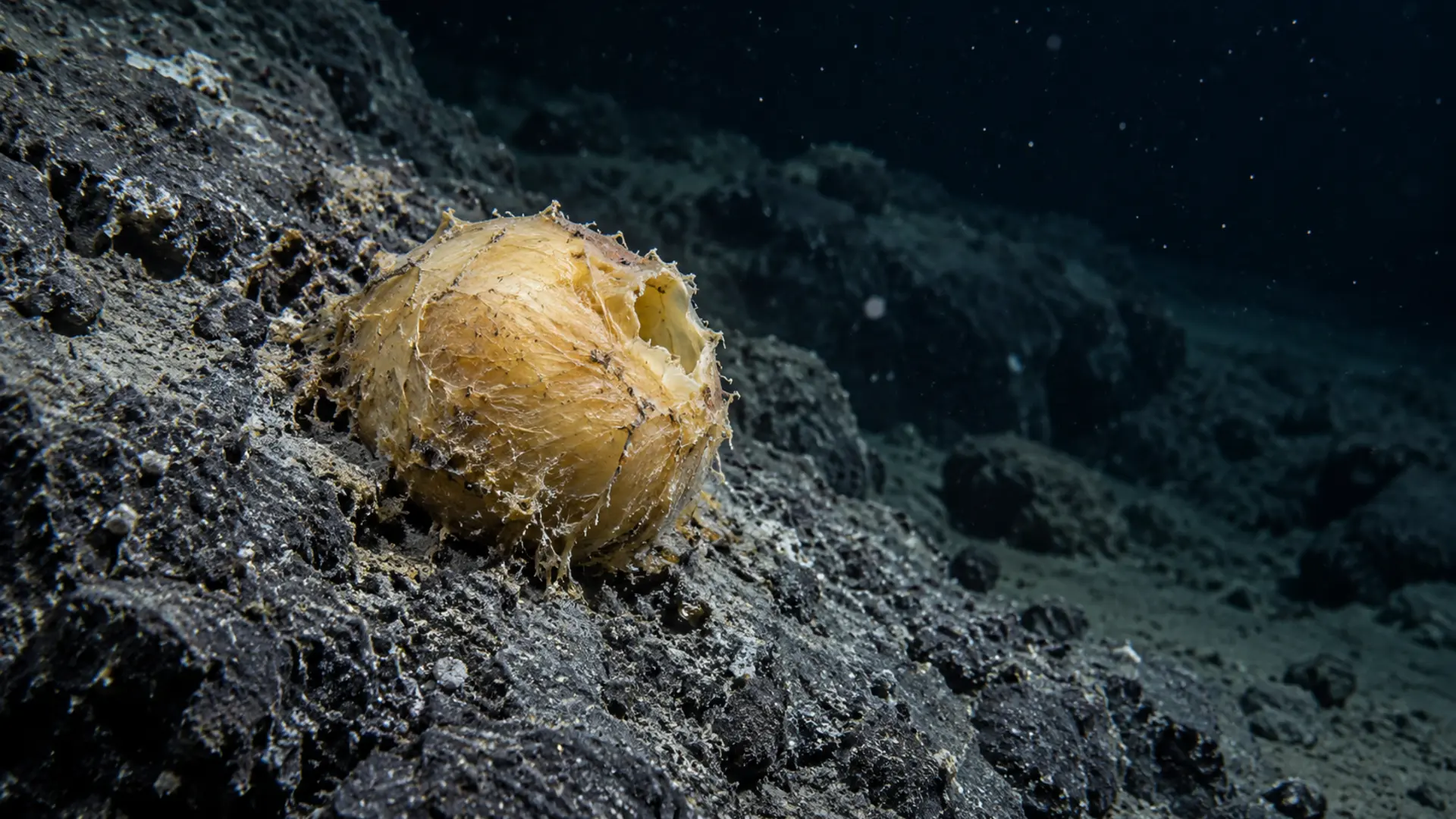
The Deep-Sea “Golden Orb” Was Part of a Giant Anemone
Found on a rock more than 3,000 meters down, NOAA’s puzzling golden orb took years of microscopy and DNA work to identify as remains from a…
-
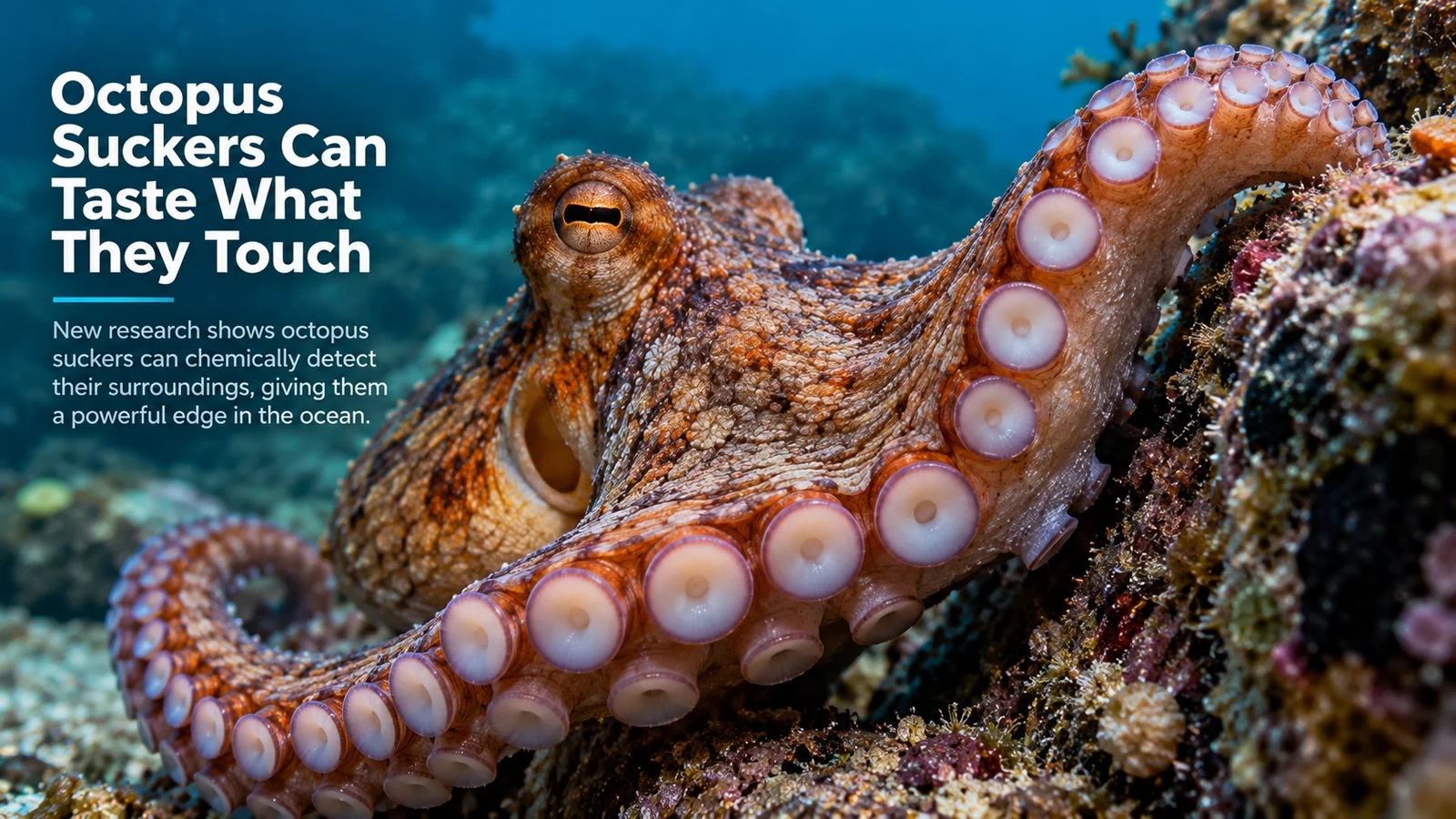
Octopuses Can Taste What They Touch With Their Suckers
Octopus suckers are more than suction cups. Specialized cells help their arms detect chemical signals from the things they touch.
-
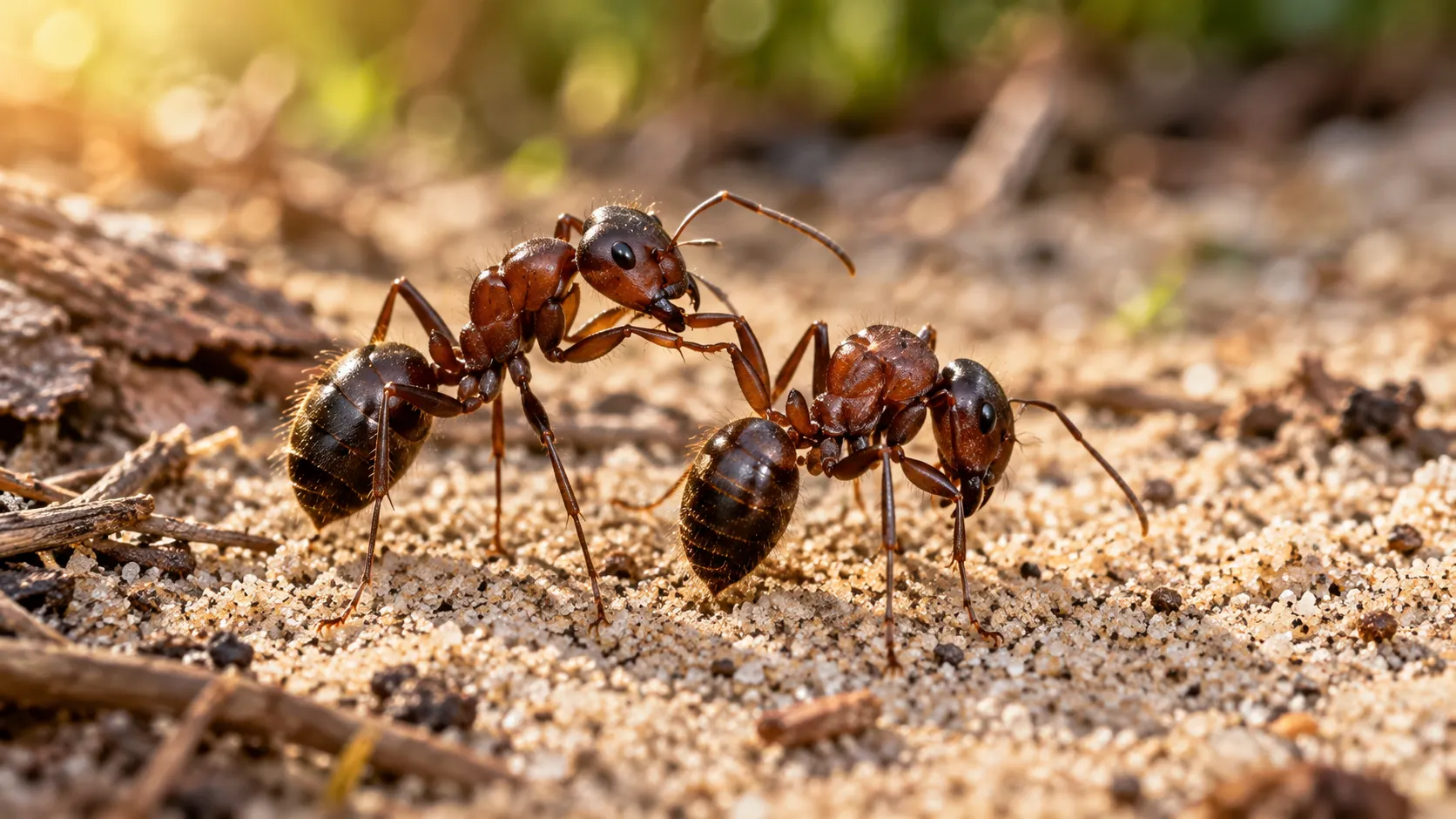
Ants Amputate Injured Nestmates’ Legs. The Weird Part? It Can Save Them.
Florida carpenter ants treat wounded nestmates by cleaning injuries—and sometimes amputating a leg. The choice depends on where the injury is.
-

Reindeer Eyes Reflect Gold in Summer and Deep Blue in Winter
Reindeer have a reflective layer behind the retina that shifts from golden in summer to blue in winter. It is not a seasonal change in iris…
-
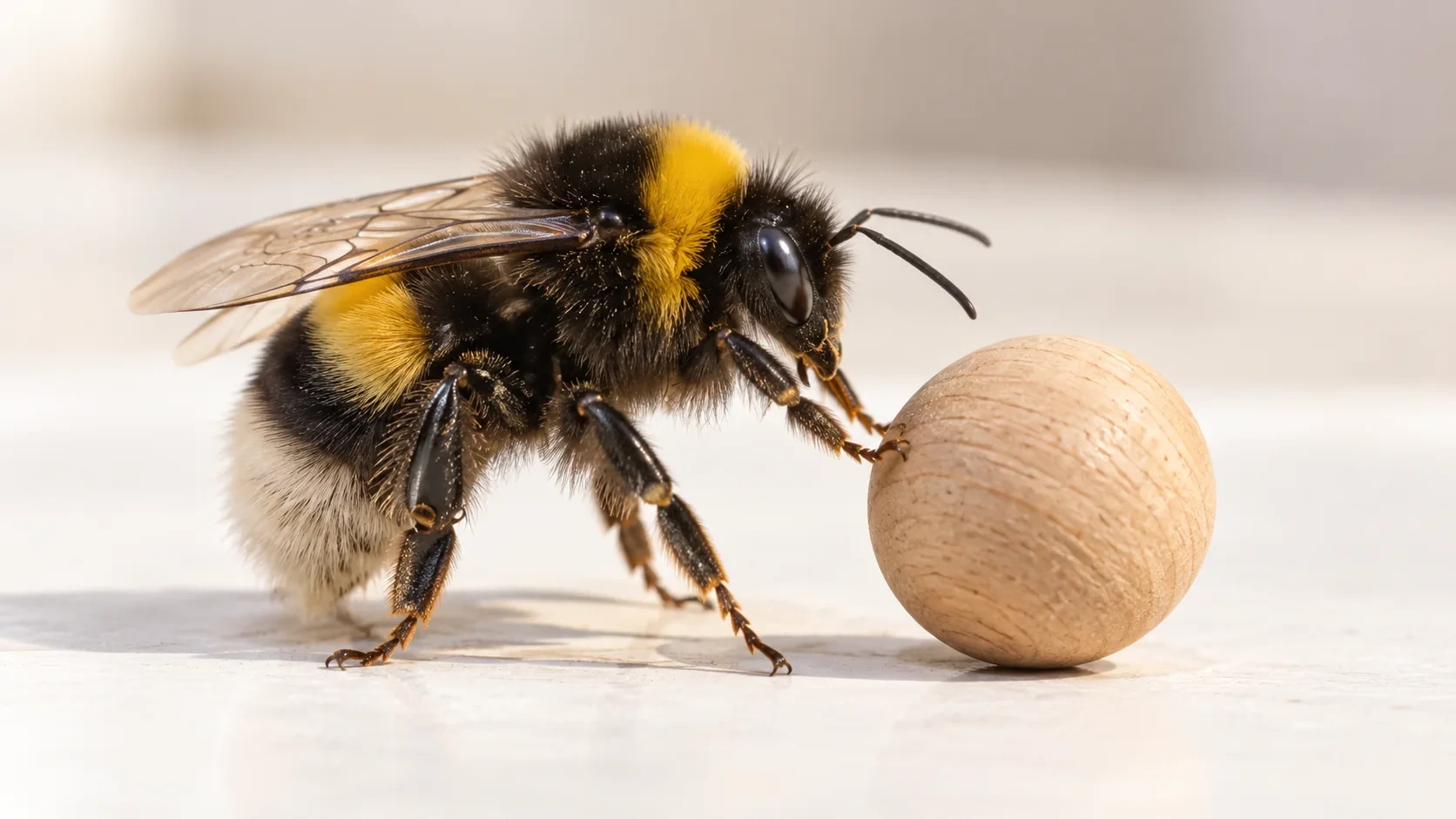
Bumblebees Roll Tiny Wooden Balls for No Reward. Scientists Call It Play.
Scientists watched buff-tailed bumblebees roll wooden balls without food rewards. Their behavior met recognized criteria for animal play.
-
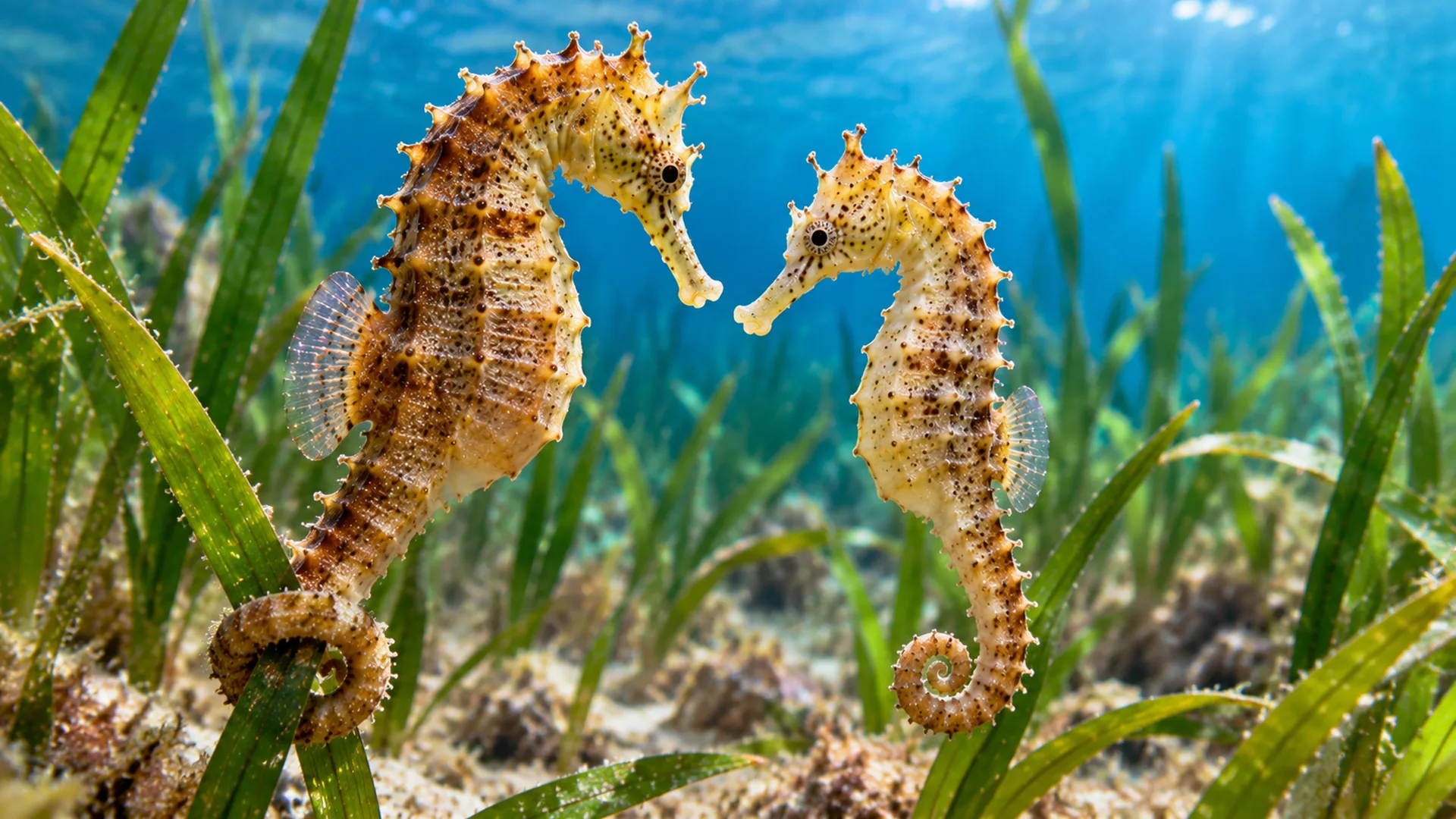
Male Seahorses Give Birth. Yes, the Dads Are Pregnant.
Male seahorses carry eggs in a brood pouch, protect developing embryos and deliver tiny young through muscular contractions. Here is how it works.
-
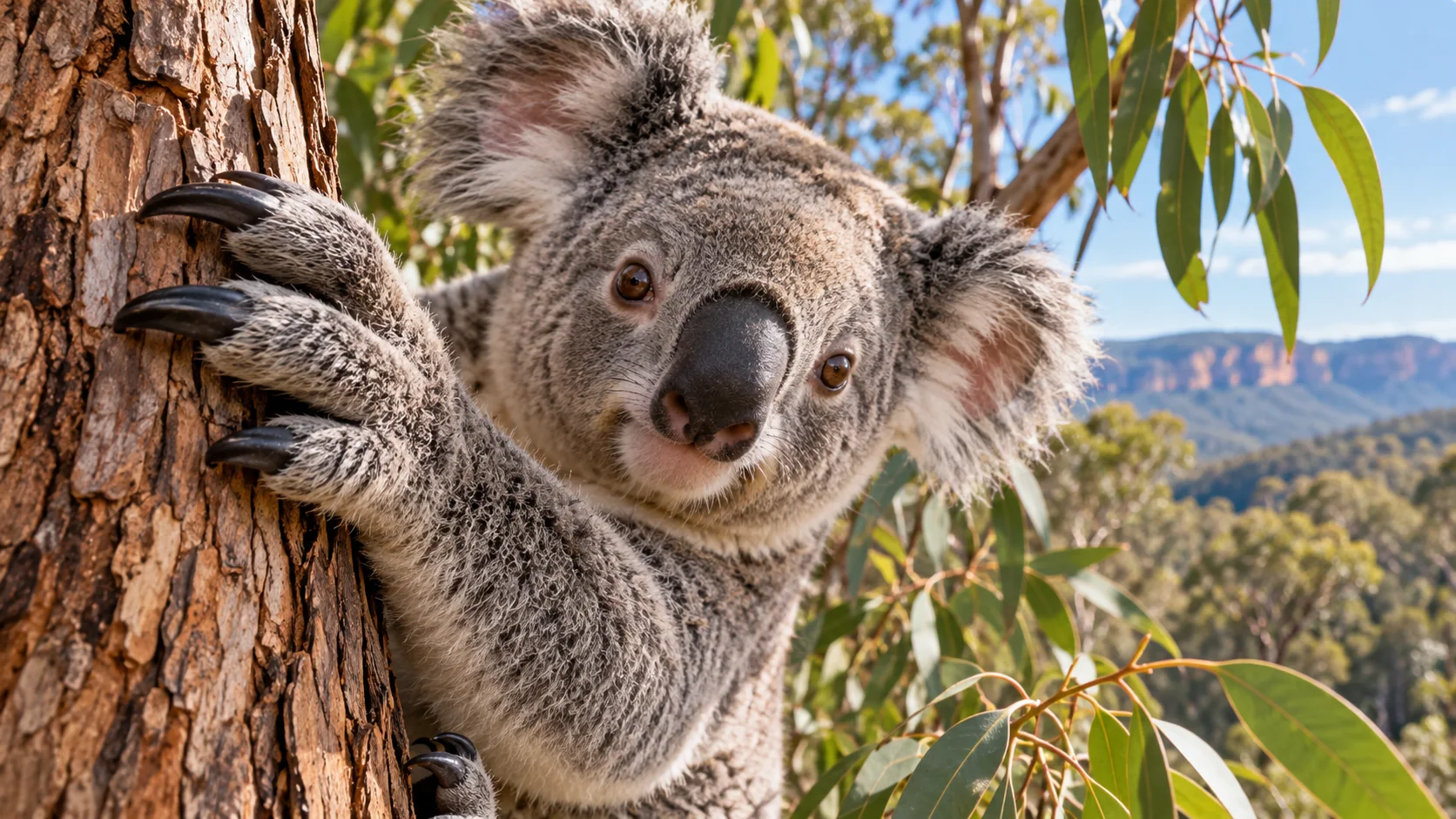
Koalas Have Human-Like Fingerprints. Here’s What That Means.
Koalas have fingerprint-like ridges surprisingly similar to humans’. Researchers have studied the resemblance—and the popular crime-scene story needs a caveat.
-
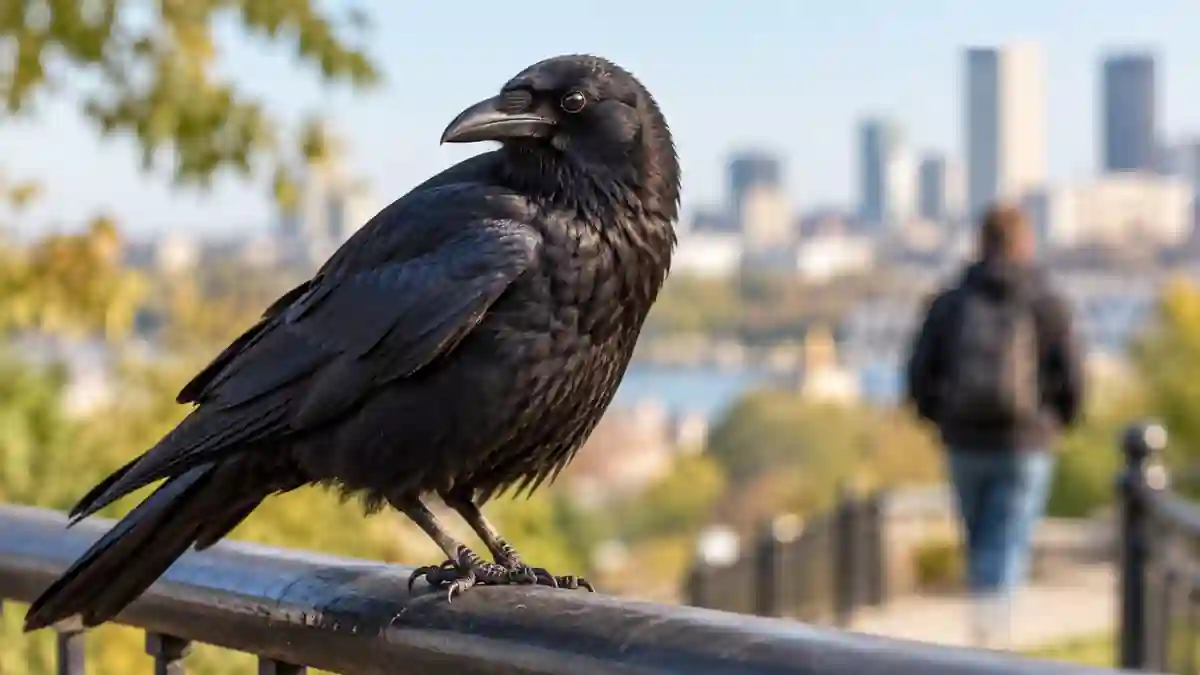
Crows Remember Your Face—and They Can Warn Other Crows About You
American crows can remember threatening human faces for years and spread that information to other crows. The research is somehow even stranger than the headline.