Author: Holly Malone
-

Mushrooms Can Make Their Own Tiny Wind to Spread Spores
Some mushrooms help move their spores by cooling nearby air as water evaporates. The resulting currents can carry spores into the breeze.
-

Some Sand Dunes Make a Deep Booming Sound When Sand Slides
Some large sand dunes produce a low booming hum during avalanches of dry sand. Researchers have studied how moving grains synchronize and how dune layers resonate.
-
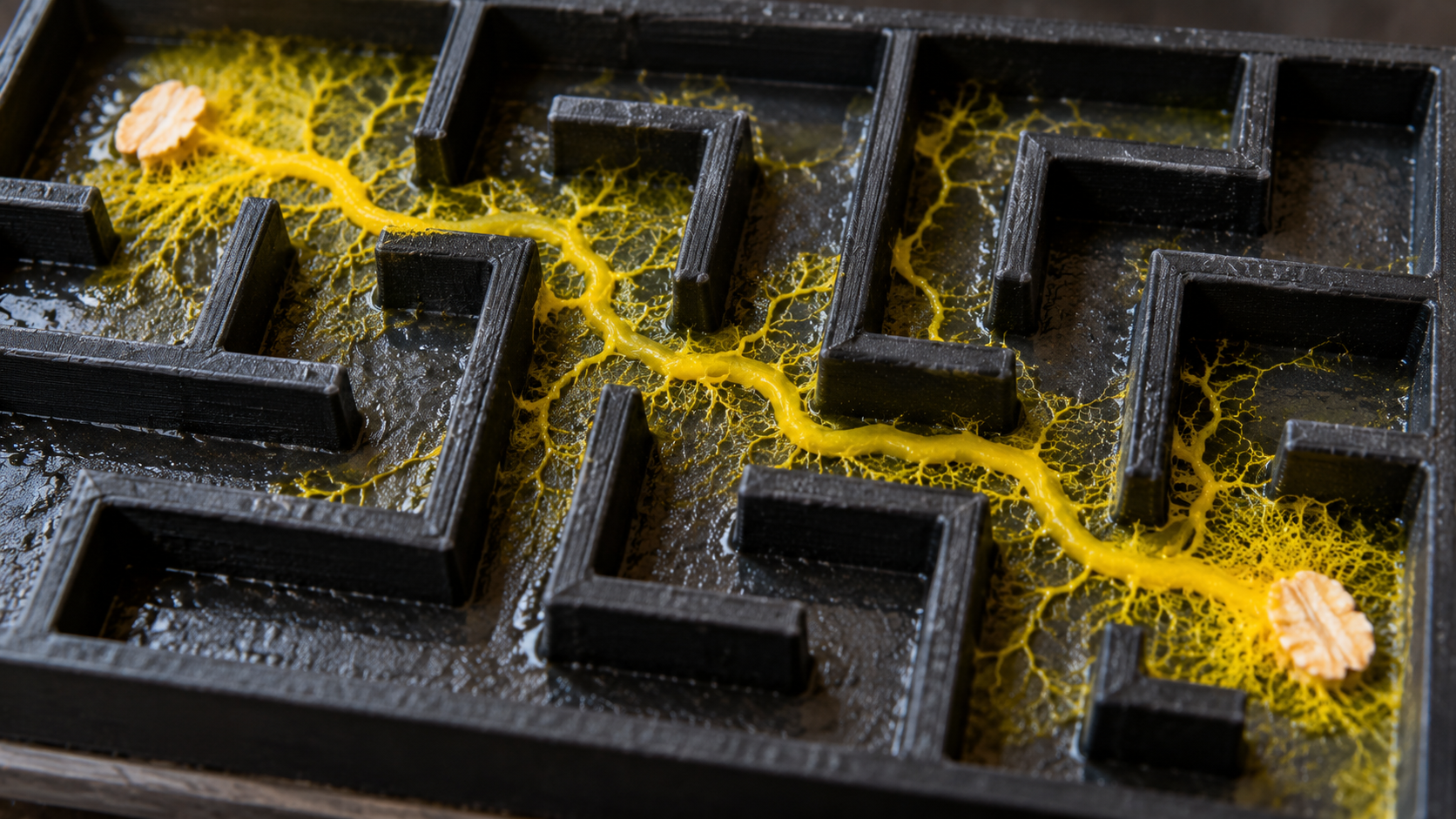
A Slime Mold Can Find a Short Route Through a Maze—Without a Brain
Physarum slime mold can shrink away from dead-end paths and keep an efficient connection between food sources. A classic Nature experiment showed how.
-
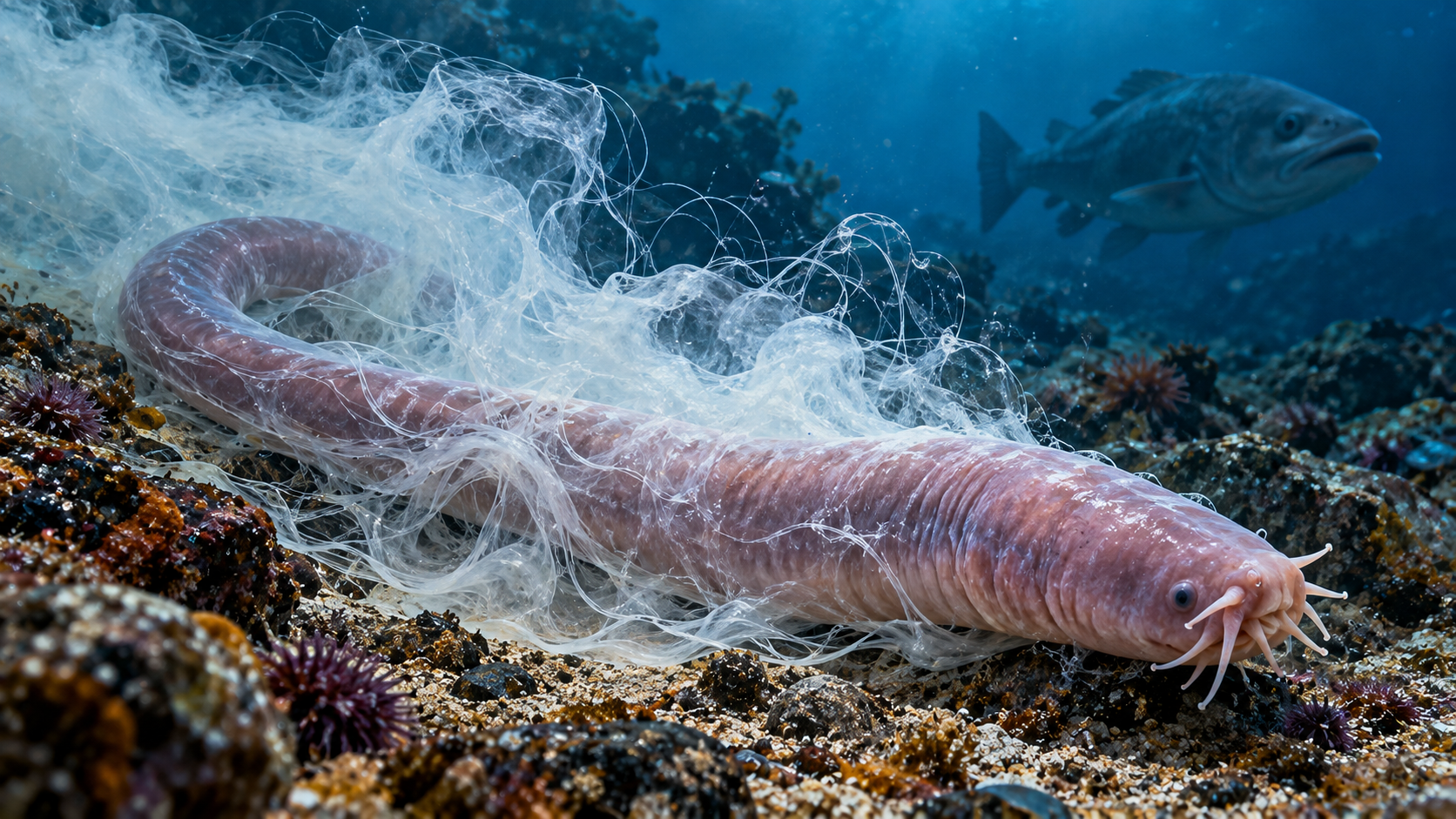
Hagfish Make Slime That Can Clog a Predator’s Gills
Hagfish can release a fibrous slime that expands in seawater and interferes with a fish predator’s gills. Then the hagfish can knot its own body to…
-
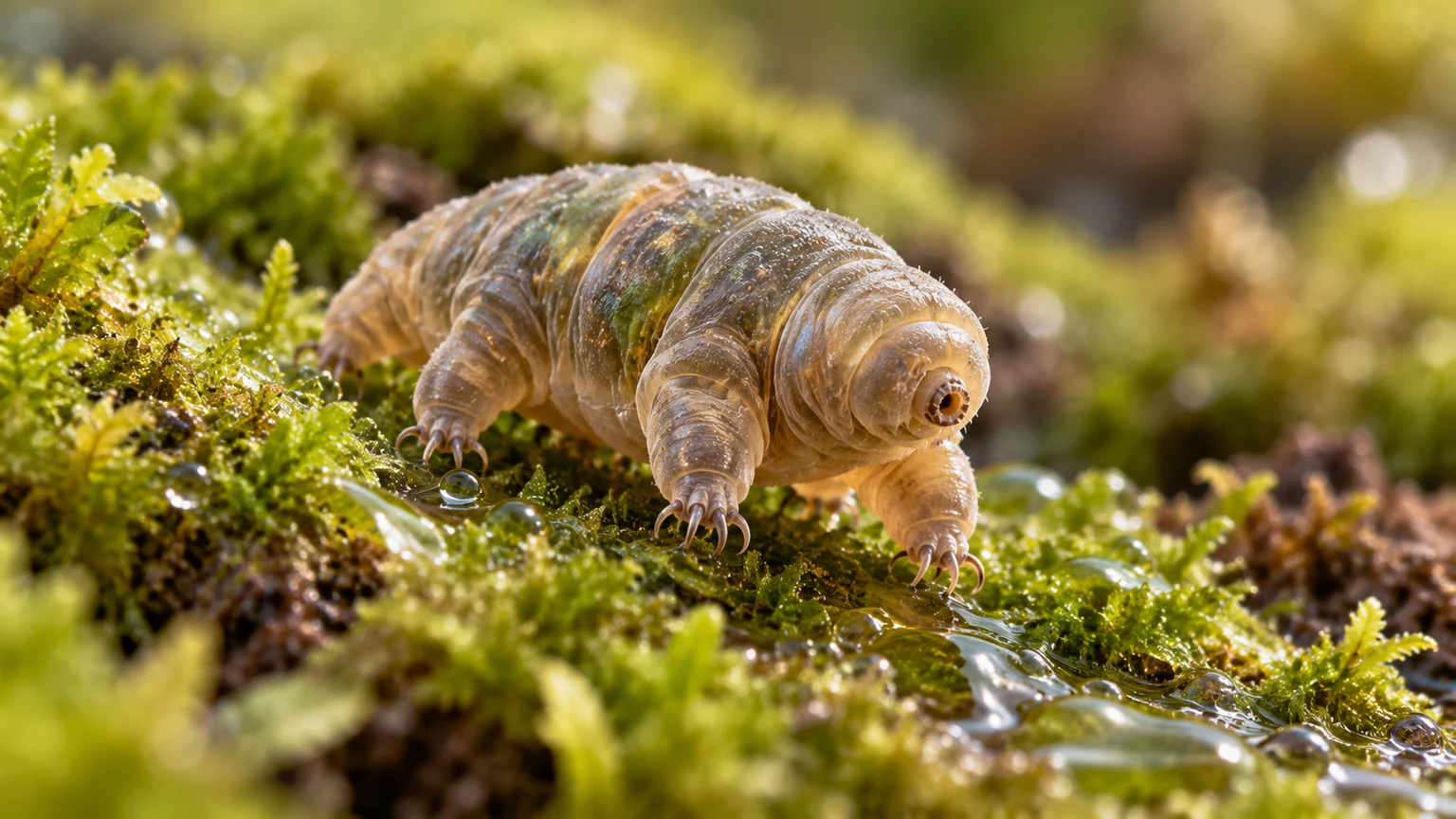
Tardigrades Can Dry Out and Survive. Being a Water Bear Is Complicated.
Tardigrades can enter a dormant state during drying, but they are not indestructible. Their survival depends on species and conditions.
-
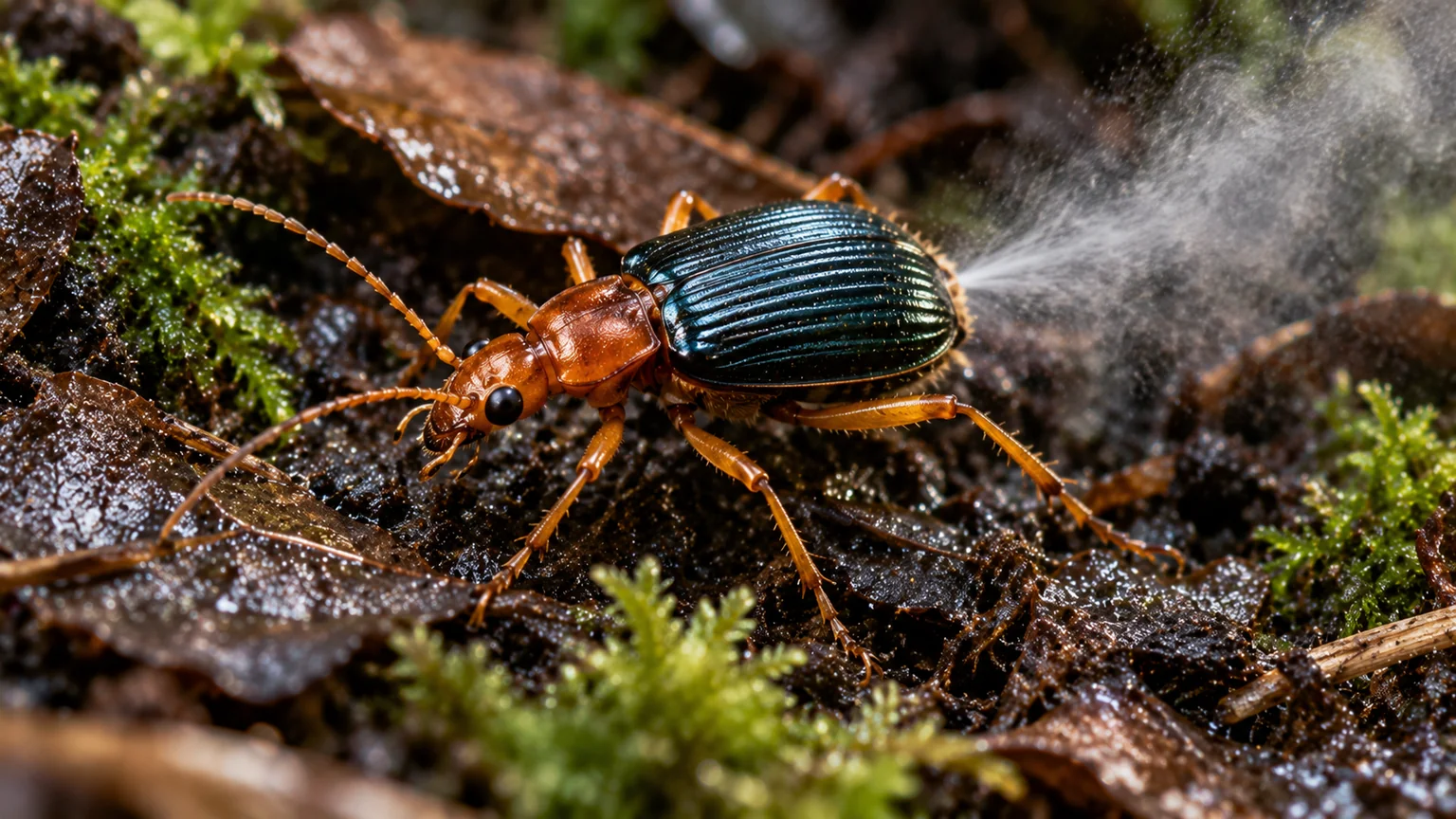
Bombardier Beetles Fire a Hot Chemical Spray in Rapid Pulses
Bombardier beetles repel predators with a hot, pulsed chemical spray. X-ray studies revealed how their internal structures control each burst.
-
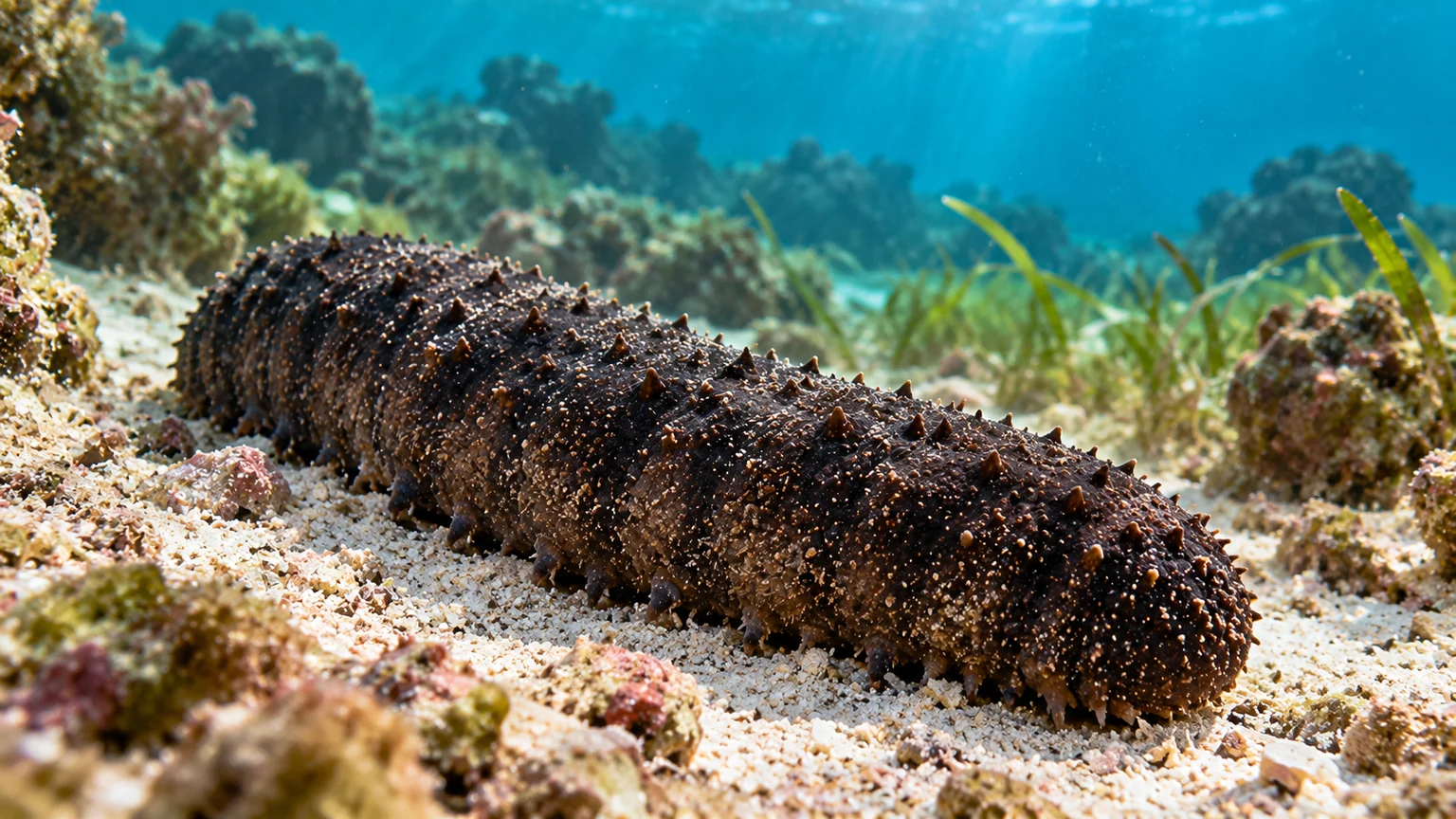
Some Sea Cucumbers Eject Internal Organs to Escape Predators
Some sea cucumbers expel digestive organs or sticky defensive tubes to evade predators, then regenerate lost tissue. Here’s how it works.
-
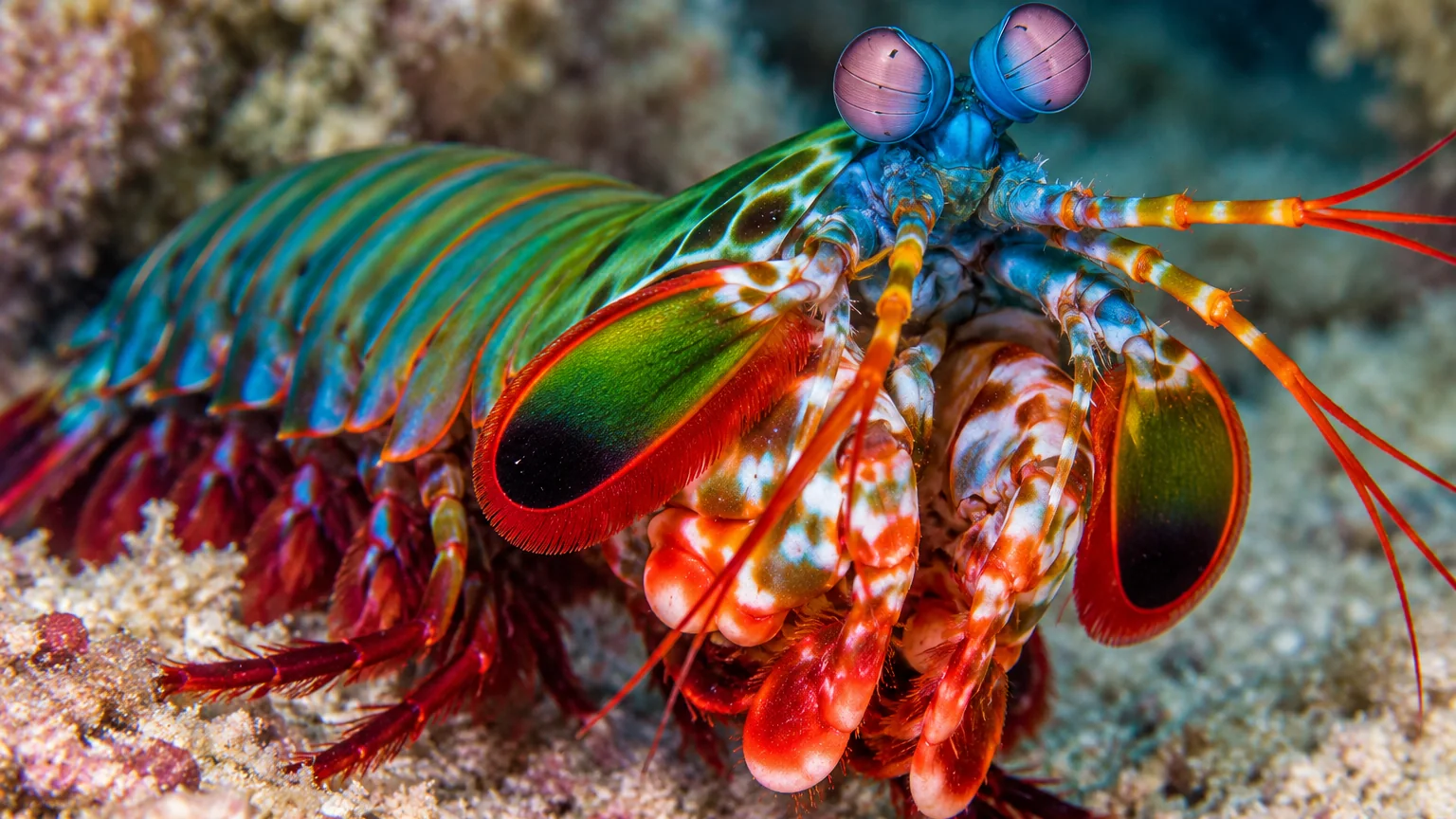
Mantis Shrimp Punch So Fast They Make Bubbles Implode
Mantis shrimp use spring-loaded clubs to smash shells. Their rapid strikes can create cavitation bubbles that collapse and add another jolt.
-
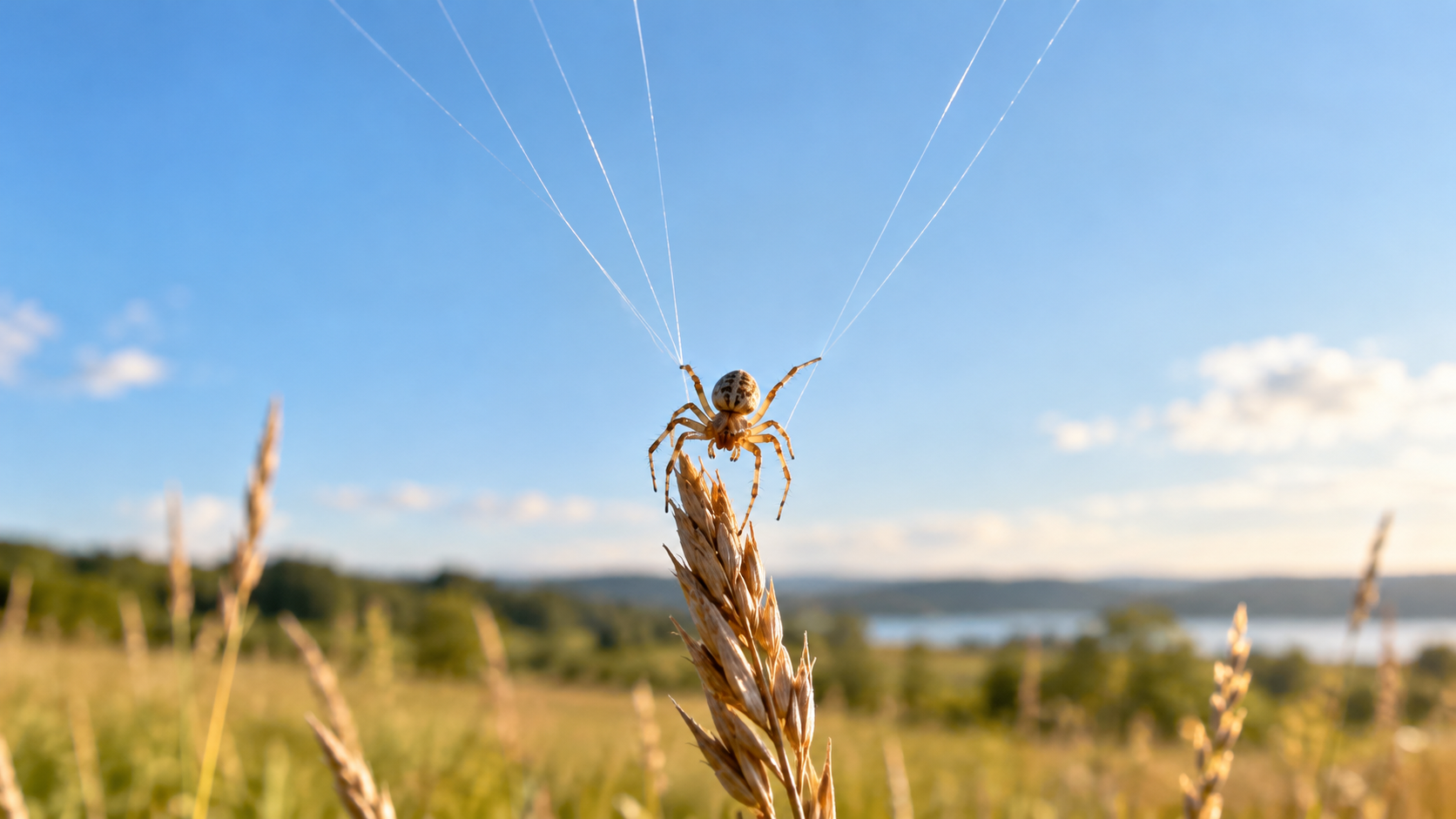
Spiders Can Sense Electricity in the Air—and Use It to Fly
Some spiders sense atmospheric electricity and use silk to take off. Controlled experiments show how electric fields can help them balloon without wind.
-
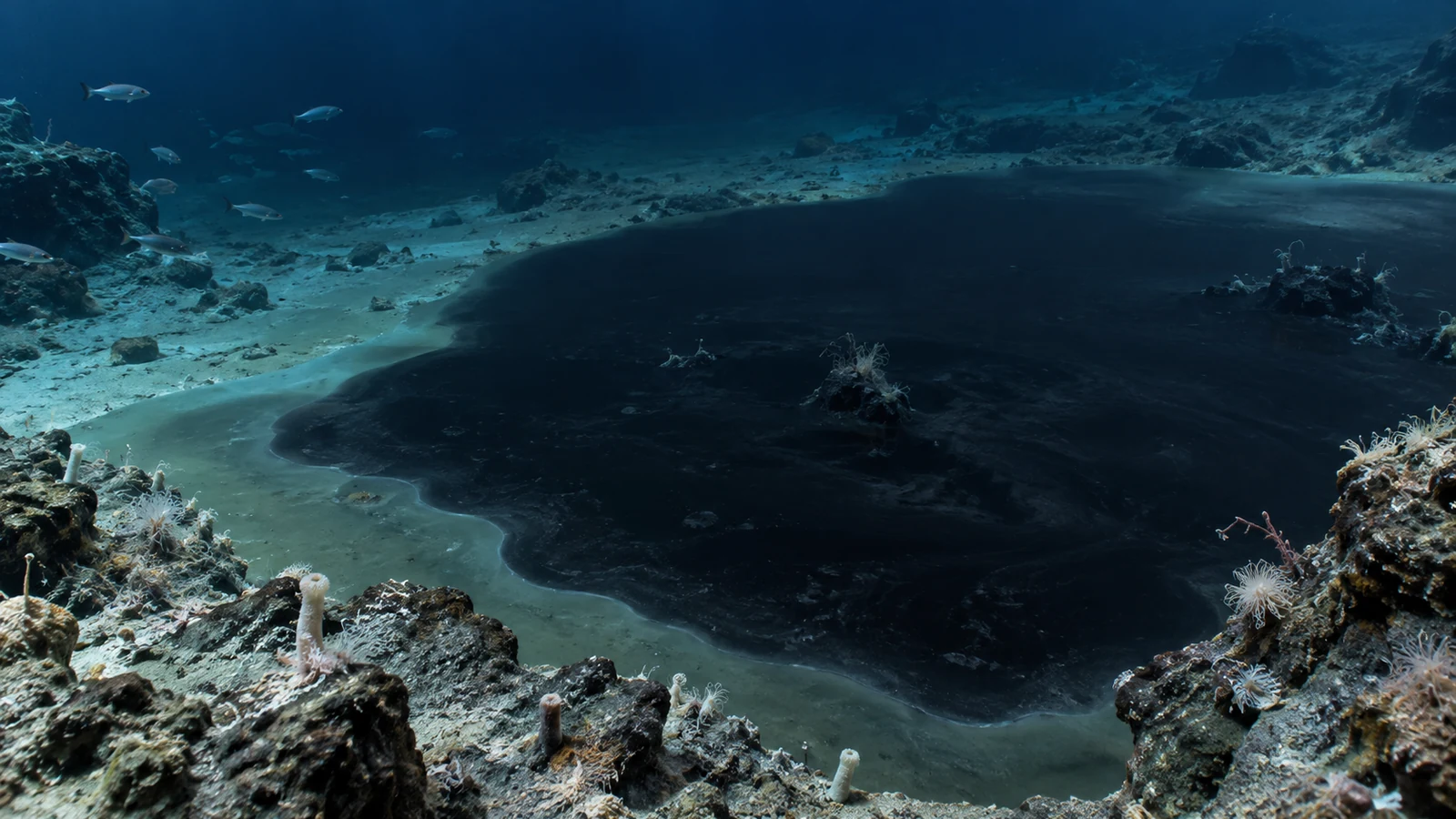
The Ocean Has Lakes of Its Own. Some Are Deadly to Fish.
Dense brine can collect in deep-sea depressions and form eerie underwater lakes. Some are dangerous to fish, while microbes thrive along the boundary.